CQC report explained · a residential care home
What the CQC found at The Sycamores
Rated Requires improvement: inspectors found the home was not performing as well as it should and told it what to change.
- Safe?
- Requires improvement
- Medicines were not always stored or administered safely, including controlled drugs and thickening agents. Staffing, safeguarding, recruitment and most infection control arrangements were found to be safe.
- Effective?
- Good
- People's needs were assessed and reviewed, staff were trained, and health, nutrition and cultural needs were supported. Inspectors recommended improvements to some environmental features, including corridor handrails.
- Caring?
- Good
- Staff treated people with kindness, dignity and respect. They supported people's choices, communication needs, privacy and independence.
- Responsive?
- Good
- Care plans were personalised and kept up to date, and people and relatives felt able to raise concerns. Feedback about activities was mixed, with some people saying they were not consistently available.
- Well-led?
- Requires improvement
- The home had open and approachable managers and worked well with health professionals. However, medicine audits and controlled drug checks were not always effective, and some staff supervisions were overdue.
What inspectors found, September 2023
Requires Improvement; inspectors found kind and effective care, but medicines were not always managed safely and leadership needed to improve.
Inspectors visited unannounced on 8 and 9 August 2023. They spoke with people living at the home, relatives, staff and health professionals. They reviewed care records, medicines records and management checks.
The home was caring, effective and responsive. Staff were described as kind and respectful. People had personalised care plans, their health needs were supported, and relatives felt able to raise concerns. Staffing levels were safe.
There were important problems with medicines, including storage, controlled drug records and medicine rounds. Parts of the environment were not suitable for everyone's needs, and activities were not always available to all residents. The home made some immediate improvements, but its overall rating was Requires Improvement.
Kind and respectful staff
People received compassionate care. Staff understood people's communication methods, used preferred names and respected cultural and religious preferences.
“People received kind and compassionate care from staff who used positive, respectful language which people understood and responded well to.” from the report
Safe staffing
Inspectors found enough staff on shift and said staffing levels and skills matched people's needs. Recruitment checks and induction arrangements were also suitable.
“There were enough staff to meet people's needs and keep them safe.” from the report
Personalised care
Care plans included people's needs, preferences and communication requirements. People and relatives were involved in care planning and daily choices.
“The provider included people, and where appropriate, their relatives when assessments were completed.” from the report
Health and nutrition support
The home supported healthy choices, nutrition, cultural and religious needs at mealtimes, and worked with health professionals when concerns arose.
“Support records showed advice given by health professionals was acted upon, and staff were prompt in raising concerns or issues.” from the report
Medicines safety
seriousMedicines were not always stored or administered safely. Problems included controlled drug records, thickening agents, medicine rounds, infection control and fridge temperature records.
“People's medicines were not always managed safely because medicines were not always kept safely or administered in a safe way.” from the report
Environmental safety
needs fixingSome parts of the environment were not suitable for people living at the home. Inspectors were concerned about features that could affect safety and independence.
“However, handrails in corridors were not designed to reduce risk of entrapment.” from the report
Activities were uneven
minorActivities were not consistently available to everyone. Relatives reported that one unit had fewer activities than areas downstairs.
“People and their relatives, felt activities were not always consistently available to all residents.” from the report
Management checks
needs fixingAudits did not always identify or prevent medicine storage and controlled drug problems. Some staff supervisions were also overdue.
“The auditing systems for medicines were not always effective in monitoring the safety of medicines storage.” from the report
- 01What has been done to make sure medicines, controlled drugs and thickening agents are stored and recorded safely?
- 02How are medicine fridge temperatures now checked and recorded each day?
- 03What changes have been made to the environment, including corridor handrails, to reduce risks and support independence?
- 04How will you make activities consistently available to people living on every unit?
- 05Have all overdue staff supervisions been completed, and how are management audits checked for effectiveness?
This was an unannounced first inspection covering all five CQC key questions and included the premises, care, medicines, records, staff practice and management systems. This explanation was written from the published report of 8 September 2023 by an AI system and checked against the report text: every quoted line appears in the report. It is a guide to the report, not a substitute for it. Read the full report on cqc.org.uk.
What inspectors found, February 2022
The Sycamores was inspected but not rated; inspectors found good infection prevention and control practice during a COVID-19 focused visit.
Inspectors visited on 21 January 2022 with one day's notice. This was a targeted inspection about infection prevention and control during COVID-19 outbreaks, and staffing pressures.
They found the home clean and tidy. Cleaning schedules, staff training, protective equipment, risk assessments, testing and visiting arrangements were in place.
Inspectors were assured that the home could prevent and manage infection outbreaks. They also found that the home understood cohorting and zoning, and was reviewing these arrangements as circumstances changed.
The service was inspected but not rated. This means the visit did not provide a new overall quality rating.
Clean surroundings
The home was clean and tidy, with enhanced cleaning schedules in place.
“The home was clean and tidy. Enhanced schedules of cleaning were in place.” from the report
Infection control training
Staff had training in safe infection control, were checked as competent and used PPE when needed.
“Staff completed training in safe infection control practices, were assessed as competent, and used the required personal protective equipment as needed.” from the report
Outbreak planning
The home understood how to separate people and areas during infection outbreaks, and reviewed these arrangements as circumstances changed.
“The service had a good understanding of the principles of cohorting and zoning in managing infection and outbreaks.” from the report
Inspectors raised no specific concerns in this report.
- 01How are you currently managing COVID-19-related staffing pressures, and what effect are they having on care?
- 02How often are enhanced cleaning schedules checked and updated?
- 03How are risk assessments reviewed when a person's risks change?
- 04How would you use cohorting and zoning if there were an infection outbreak?
- 05How are visits, testing and PPE arrangements currently being managed?
This was a targeted inspection of infection prevention and control and staffing pressures; the service was inspected but not rated and the other questions were not assessed. This explanation was written from the published report of 1 February 2022 by an AI system and checked against the report text: every quoted line appears in the report. It is a guide to the report, not a substitute for it. Read the full report on cqc.org.uk.
Every inspection of The Sycamores
4 rated inspections over 6 years: the service has improved, from Inadequate to Requires improvement.
- September 2023Requires improvementcurrent ratingSafe: Requires improvementEffective: GoodCaring: GoodResponsive: GoodWell-led: Requires improvement
- February 2022Inspected but not ratedSafe: Inspected but not rated
- April 2020Goodstayed GoodSafe: GoodEffective: GoodCaring: GoodResponsive: GoodWell-led: Good
- September 2017Goodup from InadequateSafe: GoodEffective: GoodCaring: GoodResponsive: GoodWell-led: Requires improvement
- August 2017InadequateSafe: Requires improvementEffective: InadequateCaring: Requires improvementResponsive: Requires improvementWell-led: Inadequate
- August 2021
Registered with the Care Quality Commission on 27 August 2021.
Ratings and report dates from the Care Quality Commission, Open Government Licence v3.0. A home can also be visited without a new rating being published, so the timeline shows published inspections.
Weigh the report against the rest
Fees, photos and reviews from families
How to read CQC ratings and reports
What to check when you visit
At least 100 live-in carers within about an hour of Tameside
These are self-employed carers on PrimeCarers, the introductory agency that runs this directory. Each has a profile with their own rates and reviews from families, and you choose who to talk to.
Most charge £980 to £1,260 a week. 90 can care for a couple. 10 years' experience on average.



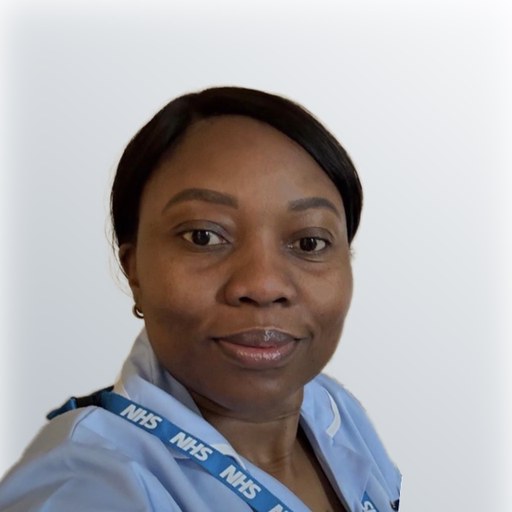
“Primrose is a very kind and compassionate healthcare professional”
Every carer has had an enhanced DBS check in the last 18 months, ID and right-to-work checks and an online interview. Their skills and training are for you to check with them. Carers set their own rates, and who is free changes week to week.