CQC report explained · a residential care home
What the CQC found at The Old Vicarage
Rated Requires improvement: inspectors found the home was not performing as well as it should and told it what to change.
- Safe?
- Requires improvement
- People were not always protected from avoidable harm. Inspectors found missed one-to-one support, medicine errors and weaknesses in how incidents were learned from.
- Effective?
- Good
- This area was not inspected during this visit. The previous rating was used in calculating the overall rating.
- Caring?
- Good
- This area was not inspected during this visit. The previous rating was used in calculating the overall rating.
- Responsive?
- Good
- This area was not inspected during this visit. The previous rating was used in calculating the overall rating.
- Well-led?
- Requires improvement
- Frequent management changes had led to weak oversight. The provider had started improving medicines systems, training and incident monitoring, but lessons were not consistently acted on.
What inspectors found, March 2021
Requires Improvement; inspectors found risks from missed one-to-one support, medicines errors and weak management oversight.
This was an unannounced, focused inspection on 19 January 2021. Inspectors looked only at Safe and Well-led. They spoke with people, relatives and staff, and reviewed care records, medicines, staffing, training and quality checks.
People were not always kept safe. Some had been left without the one-to-one support they needed, and there had been avoidable incidents. Medicines were not always managed safely, and accidents and incidents were not consistently reviewed to prevent them happening again.
The home had enough staff overall, but they were not always deployed effectively. The environment was clean, emergency plans were in place and staff understood safeguarding. Some staff did not wear PPE correctly, but this was addressed during the inspection.
The overall rating changed from Good at the previous inspection, published in May 2019, to Requires Improvement. The home had appointed two new managers and had started work to improve safety, medicines management and oversight, but inspectors said more improvement was needed.
Staffing levels
Inspectors found enough staff on the day and in the rotas reviewed. Relatives and staff said there were enough staff to provide one-to-one support when needed.
“On the day of our inspection there were enough staff to support people at the service.” from the report
Emergency planning
The home had clear emergency plans, and staff knew what to do. Each person had an up-to-date personal evacuation plan.
“There were clear plans in place to guide staff in what to do in an emergency, and staff knew what the plans were.” from the report
Safeguarding awareness
Staff had safeguarding training and said they felt confident raising concerns about abuse or harm.
“Staff understood how to recognise and report concerns or abuse.” from the report
Clean environment
The home was clean and had systems for infection control. Inspectors were assured about several areas of infection prevention.
“The service was clean and staff knew how to reduce the risk of acquired infections.” from the report
New management
The two recently appointed managers were described by relatives and staff as having a positive effect. Staff said they felt more supported and clearer about their roles.
“The provider had recently appointed two new managers at the service, and relatives and staff told us about the positive impact this had.” from the report
Missed one-to-one support
seriousPeople were sometimes left without support they had been assessed as needing. This led to avoidable incidents and a risk of harm.
“There were times when people had been left without the support they needed, placing them at risk of harm.” from the report
Medicine errors
seriousPeople did not always receive medicines safely. Extra training had not consistently reduced errors, so the provider could not be sure people received the right medicine at the right time.
“This meant the provider could not be assured that people always received the right medicine and the right time.” from the report
Weak management oversight
needs fixingFrequent changes in managers meant quality checks did not identify or act on repeated problems quickly enough. Two new managers had been appointed, but neither was registered with CQC at the inspection.
“Frequent changes in managers since the last inspection in 2019 had resulted in a lack of robust oversight of the quality of care.” from the report
Poor incident learning
needs fixingAccidents and incidents were not consistently analysed for trends or used to prevent repeat events. The provider said it had recently improved its processes.
“Accidents and incidents were not consistently monitored to identify trends and to prevent reoccurrences.” from the report
PPE not always worn correctly
minorSome staff did not use PPE in line with best practice. The home addressed this on the inspection day and was signposted to further resources.
“Some staff did not always wear their personal protective equipment (PPE) correctly.” from the report
- 01How do you now make sure that people are never left without the one-to-one support set out in their care plan?
- 02What medicine errors have happened recently, and how do you check that retraining has reduced them?
- 03How are accidents, incidents and safeguarding concerns reviewed for patterns, and how do you show that lessons have been acted on?
- 04Who is currently managing the home, and have the managers completed their CQC registration?
- 05How do you check that staff follow care plans and wear PPE correctly?
This was a focused inspection of Safe and Well-led only; Effective, Caring and Responsive were not inspected and their previous ratings carried over. This explanation was written from the published report of 18 March 2021 by an AI system and checked against the report text: every quoted line appears in the report. It is a guide to the report, not a substitute for it. Read the full report on cqc.org.uk.
What inspectors found, May 2019
Rated Good; inspectors found safe, kind and person-centred care, with improvements since the previous inspection.
This was an unannounced inspection on 17 April 2019. One inspector and an inspection manager observed care, spoke with people, relatives, staff and health professionals, and checked care plans, medicines records, complaints, incidents and quality checks.
The home supported 13 young adults with learning disabilities. Inspectors found people were safe, treated with kindness and supported to make choices, build independence and take part in activities. Staff managed medicines, risks and safeguarding appropriately, and there were enough staff.
All five areas were rated Good: Safe, Effective, Caring, Responsive and Well-led. This means inspectors found good outcomes for people and that legal requirements were being met. The previous inspection had rated the service Requires Improvement, with a breach linked to quality and risk systems, but inspectors found improvements had been made.
Safe staffing
Inspectors found there were enough staff to meet people's needs safely. Staffing was planned around individual needs and activities.
“There were enough staff to ensure that people's needs were met safely.” from the report
Kind relationships
Staff had positive relationships with people and shared their interests. Inspectors observed kind and caring interactions.
“People had caring, kind supportive relationships with the staff who supported them.” from the report
Active lives
People were supported to make choices, build independence and take part in activities and community opportunities.
“People were supported to live full and active lives.” from the report
Improved oversight
The provider had introduced a new audit system after the previous inspection. Regular checks were used to support learning and improvement.
“Regular audits took place to measure the success of the service and to continue to develop it.” from the report
Inspectors raised no specific concerns in this report.
- 01How are risks such as choking, medicines and behaviours that challenge assessed and reviewed for my relative?
- 02How will my relative be involved in writing and reviewing their support plan and activity plan?
- 03How do you make sure there are enough staff for one-to-one activities and community outings?
- 04How do you support people who communicate without speech, including through easy-read information, communication books or sign language?
- 05How would you plan and provide end-of-life care if my relative needed it?
This was an unannounced inspection covering the overall quality of the care home, including both its premises and the care provided, and all five CQC questions. This explanation was written from the published report of 14 May 2019 by an AI system and checked against the report text: every quoted line appears in the report. It is a guide to the report, not a substitute for it. Read the full report on cqc.org.uk.
Every inspection of The Old Vicarage
6 rated inspections over 5 years: the service has held its Requires improvement rating throughout.
- March 2021Requires improvementcurrent ratingdown from GoodSafe: Requires improvementEffective: GoodCaring: GoodResponsive: GoodWell-led: Requires improvement
- May 2019Goodup from Requires improvementSafe: GoodWell-led: Good
- June 2018Requires improvementup from InadequateSafe: Requires improvementEffective: GoodCaring: GoodResponsive: GoodWell-led: Requires improvement
- December 2017Inadequatedown from GoodSafe: InadequateEffective: InadequateCaring: Requires improvementResponsive: InadequateWell-led: Inadequate
- April 2017Goodup from Requires improvementSafe: GoodEffective: Requires improvementCaring: GoodResponsive: GoodWell-led: Good
- March 2016Requires improvementSafe: Requires improvementEffective: Requires improvementCaring: GoodResponsive: GoodWell-led: Requires improvement
- May 2014
Report published without a new overall rating.
- November 2013
Report published without a new overall rating.
- October 2013
Registered with the Care Quality Commission on 10 October 2013.
Ratings and report dates from the Care Quality Commission, Open Government Licence v3.0. A home can also be visited without a new rating being published, so the timeline shows published inspections.
Weigh the report against the rest
Fees, photos and reviews from families
How to read CQC ratings and reports
What to check when you visit
75 live-in carers within about an hour of Nottinghamshire
These are self-employed carers on PrimeCarers, the introductory agency that runs this directory. Each has a profile with their own rates and reviews from families, and you choose who to talk to.
Most charge £980 to £1,260 a week. 63 can care for a couple. 10 years' experience on average.
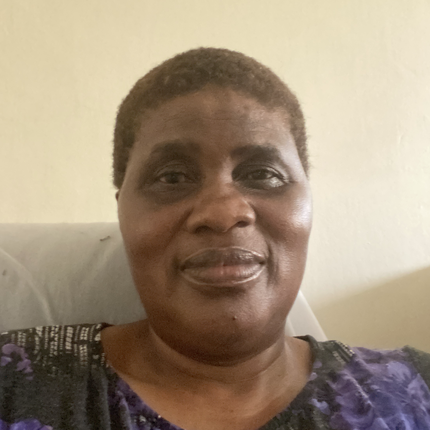



“Ernest is an amazing professional carer who delivers care from the heart.”
Every carer has had an enhanced DBS check in the last 18 months, ID and right-to-work checks and an online interview. Their skills and training are for you to check with them. Carers set their own rates, and who is free changes week to week.