CQC report explained · a nursing home
What the CQC found at The Hall
Rated Good: inspectors found the home performing well and meeting their expectations.
- Safe?
- Good
- People felt safe and staff understood their risks and how to reduce them. Medicines were generally given safely, but one person's 'as required' medicines records needed correction.
- Effective?
- Good
- Staff had mandatory and specialist training and worked with healthcare professionals. People's food, health, communication and legal decision-making needs were supported.
- Caring?
- Good
- Staff were kind, compassionate and respectful. People were involved in their care plans and supported to make choices and remain as independent as possible.
- Responsive?
- Good
- Care plans were detailed and personalised. People could take part in activities, maintain relationships and have their cultural and religious needs met.
- Well-led?
- Good
- The home had approachable leadership, regular checks and a positive culture. People, relatives and staff were asked for their views, and learning was used to improve care.
What inspectors found, March 2020
Rated Good; inspectors found safe, kind and personalised care, with a small medicines-record issue corrected during the inspection.
This was an unannounced inspection on 30 January and 04 February 2020. One inspector spoke with people using the home and staff, and checked care records, medicines, staffing, incidents and quality checks.
The home was rated Good overall and Good in all five areas: Safe, Effective, Caring, Responsive and Well-led. People told inspectors they felt safe, liked the food and were treated kindly.
Inspectors found that staff knew people well, supported their independence and worked with health professionals. The home was clean, well staffed and offered personalised activities and care.
There were a few minor improvements to make. One person's 'as required' medicines records were unclear, but the registered manager corrected this immediately. The home kept its previous overall Good rating from 2017.
Kind, personalised support
Staff knew people well and treated them with compassion. People were involved in decisions and supported to build independence.
“Staff knew the people they supported well and were caring and compassionate towards them.” from the report
Good safety arrangements
The home had suitable staffing, risk assessments and safeguarding arrangements. Accidents and incidents were reviewed to improve care.
“People had comprehensive risk assessments which staff followed to reduce the risk of harm.” from the report
Skilled staff
Staff completed mandatory and specialist training, including training for complex mental health needs. They worked with healthcare professionals to support people's physical health.
“Staff completed specialist mental health training, including courses on self-injurious behaviour and personality disorders” from the report
Activities and independence
People had individual and group activities, including exercise classes and outings. Staff also supported people with interests, literacy and community involvement.
“People had activity care plans and the opportunity to take part in group and one-to-one activities.” from the report
Strong management
The registered manager and provider used audits and other checks to monitor the home. Staff felt listened to and people were asked for their views.
“Quality assurance checks and audits were in place.” from the report
Medicines records
needs fixingOne person's care plan and medicines administration record did not match for an 'as required' medicine. The minimum time between doses was also unclear, although no harm occurred and the issue was corrected immediately.
“There was a discrepancy between the information in their care plan and the information in their MAR” from the report
Assessment information
minorThe assessment form did not cover all protected characteristics required by the Equality Act 2010. The registered manager said it would be updated.
“The assessment form needed updating to ensure it covered all the protected characteristic determined by the Equality Act 2010.” from the report
Translated information
minorInformation could be translated into other languages, but this was not yet included on the information poster. The manager said this would be added.
“The registered manager and assistant director said it could and this would be added to the poster.” from the report
- 01How do you now check that care plans and medicines administration records match for 'as required' medicines?
- 02How do you record and monitor the minimum time between doses of 'as required' medicines?
- 03Has the assessment form been updated to cover all protected characteristics?
- 04Can information be provided in the communication format and language that my relative needs?
- 05Which activities and one-to-one support would be available for my relative?
This was a comprehensive inspection of the care and premises, covering all five key questions. This explanation was written from the published report of 10 March 2020 by an AI system and checked against the report text: every quoted line appears in the report. It is a guide to the report, not a substitute for it. Read the full report on cqc.org.uk.
What inspectors found, July 2017
Rated Good; inspectors found safe, kind and personalised care, with some records and activities needing attention.
The inspection was unannounced and took place on 21 June 2017. Inspectors spoke with five people, a relative and staff. They observed care in communal areas and checked care records, medicines, staffing, training and quality checks.
People told inspectors they felt safe and were treated with kindness and respect. Staff were trained, medicines were managed safely, and people's health, food and drink needs were met. Care was planned around people's needs and reviewed with input from specialist professionals.
The home was rated Good overall and Good in all five areas: Safe, Effective, Caring, Responsive and Well-led. Inspectors found some records did not always clearly show people's involvement or action taken after accidents. Feedback about meaningful activities was also mixed.
People felt safe
People said they felt safe. Staff understood safeguarding, risk management and how to respond when someone became anxious or distressed.
“People told us that they felt safe. Staff understood how to keep people safe and report concerns if needed.” from the report
Safe medicines
Medicines were stored securely, records were completed accurately and staff were trained and checked before giving medicines.
“People received their medicines when they needed them and they were administered safely.” from the report
Personalised support
Care was planned around individual needs and involved professionals with expertise in people's conditions. Plans were changed when needs or preferences changed.
“People received support that was tailored to their individual needs. People's support was reviewed and changed to reflect their needs and preferences.” from the report
Some care records were incomplete
needs fixingRecords did not consistently show that people had taken part in care planning. The manager said records would be updated.
“However we saw that records were not consistently maintained to demonstrate this.” from the report
Accident follow-up was not always recorded clearly
needs fixingInspectors saw that action was taken after accidents, but records did not always explain what that action was. The manager said this would be documented in future.
“It was not always clear from the record what action had been taken.” from the report
Activities did not suit everyone
minorThere were activities and efforts to develop more opportunities, but feedback was mixed. One person said they did not have enough activities and had not been asked what they wanted.
“I don't feel there is enough activities during the day and no-one's asked what I would like to do.” from the report
- 01How do you ask each person what activities they want, and how do you record and review their choices?
- 02How do you make sure people's involvement in care planning is recorded consistently?
- 03How do you record the action taken after an accident or incident?
- 04What changes were made after people were asked for their views about the windows in their rooms?
This was an unannounced inspection covering the overall quality of the service and all five CQC questions. This explanation was written from the published report of 21 July 2017 by an AI system and checked against the report text: every quoted line appears in the report. It is a guide to the report, not a substitute for it. Read the full report on cqc.org.uk.
Every inspection of The Hall
3 rated inspections over 4 years: the service has improved, from Requires improvement to Good.
- March 2020Goodcurrent ratingstayed GoodSafe: GoodEffective: GoodCaring: GoodResponsive: GoodWell-led: Good
- July 2017Goodup from Requires improvementSafe: GoodEffective: GoodCaring: GoodResponsive: GoodWell-led: Good
- March 2016Requires improvementSafe: Requires improvementEffective: Requires improvementCaring: Requires improvementResponsive: Requires improvementWell-led: Requires improvement
- September 2014
Report published without a new overall rating.
- July 2013
Report published without a new overall rating.
- October 2012
Report published without a new overall rating.
- July 2011
Report published without a new overall rating.
- November 2010
Registered with the Care Quality Commission on 15 November 2010.
Ratings and report dates from the Care Quality Commission, Open Government Licence v3.0. A home can also be visited without a new rating being published, so the timeline shows published inspections.
Weigh the report against the rest
Fees, photos and reviews from families
How to read CQC ratings and reports
What to check when you visit
At least 100 live-in carers within about an hour of Leicestershire
These are self-employed carers on PrimeCarers, the introductory agency that runs this directory. Each has a profile with their own rates and reviews from families, and you choose who to talk to.
Most charge £980 to £1,260 a week. 82 can care for a couple. 12 years' experience on average.


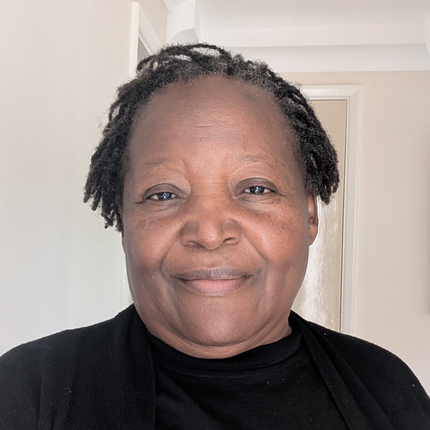
“If you bump into her in the night on her way to the bathroom she will still inquire how you are and if everything is alright.”
“Together Earther and I supported her to die at home with great dignity and compassion and him to continue with life.”
Every carer has had an enhanced DBS check in the last 18 months, ID and right-to-work checks and an online interview. Their skills and training are for you to check with them. Carers set their own rates, and who is free changes week to week.