CQC report explained · a residential care home
What the CQC found at The Foothills
Rated Good: inspectors found the home performing well and meeting their expectations.
- Safe?
- Good
- People told inspectors they felt safe. Risk assessments, safeguarding systems, staffing arrangements and medicine checks were in place.
- Effective?
- Good
- Staff had induction and ongoing training. People were supported with healthcare, food, daily living skills and decisions about their care.
- Caring?
- Good
- Staff were observed to be friendly and respectful. People were involved in decisions, had privacy and were supported to become more independent.
- Responsive?
- Good
- Care plans reflected people's individual choices and needs. People could take part in activities, go out independently where possible and raise concerns.
- Well-led?
- Good
- Managers were involved in the day-to-day running of the home. Audits, meetings and other checks were used to monitor and improve the service.
What inspectors found, March 2019
The Foothills was rated Good in every area; inspectors found safe, caring and personalised support.
This was a planned inspection on 20 February 2019. One inspector reviewed records, observed care and spoke with two people, a relative, managers and three support workers. The inspector also contacted local authority teams, who raised no concerns.
The home supports up to four people with mental health needs. Three people lived there during the inspection. People said they felt safe and received the support they needed. Staff supported people with daily tasks, activities, healthcare appointments and becoming more independent.
Inspectors found enough trained staff, safe medicine systems, suitable risk assessments and a clean, well-maintained home. People were involved in their care and had regular opportunities to share their views.
All five areas were rated Good: Safe, Effective, Caring, Responsive and Well-led. The home was also rated Good at the previous inspection on 9 September 2016.
Safe staffing
Inspectors found enough trained staff to meet people's needs. Daytime staffing was usually one member of staff for each person, allowing support with activities and appointments.
“There were sufficient well-trained staff to meet people's needs.” from the report
Personal choice
People helped shape their care, meals and activities. Their care plans reflected their individual wishes.
“People's care plans were individual to the person and reflected their choices.” from the report
Well-trained staff
New staff received an induction, and staff had further training for their roles and people's specific needs.
“New staff received an induction to ensure they were confident and competent to look after vulnerable people.” from the report
Good management checks
Managers used audits and other monitoring systems to check safety and quality and identify improvements.
“The service had good governance systems in place to improve the service.” from the report
Inspectors raised no specific concerns in this report.
- 01How many staff will usually be available during the day, and how will one-to-one support work for my relative?
- 02How are medicines checked now, following the medicine-related incident recorded in the report?
- 03How will my relative help to plan their care, meals and activities?
- 04How often will my relative meet their key worker and take part in house meetings?
- 05What support is available if my relative's mental or physical health needs change?
This was a planned inspection that considered all five key questions and included the premises, care provided, records, observations and discussions with people, a relative, managers and staff. This explanation was written from the published report of 19 March 2019 by an AI system and checked against the report text: every quoted line appears in the report. It is a guide to the report, not a substitute for it. Read the full report on cqc.org.uk.
What inspectors found, September 2016
The Foothills is rated Good; inspectors found safe, kind and personalised care, with an emergency evacuation plan still to be made individual.
This was an unannounced inspection on 10 August 2016. One inspector spoke with one person living at the home, a staff member, the manager and a social worker. The inspector also observed care and checked records, including care, medicines, recruitment, training and management records.
The home supported up to three people with mental health needs. At the inspection, one person lived there and another person was being assessed. Inspectors found safe medicines arrangements, suitable staffing, good training and support, kind interactions and personalised care plans.
All five areas were rated Good: Safe, Effective, Caring, Responsive and Well-led. The home had not been inspected before because it first admitted someone in March 2016. Good means inspectors found the service met the relevant standards at the time, although they still identified some areas to improve.
Safe medicines
Medicines were stored securely, administration was recorded and staff competence was checked. Policies covered ordering, storage, administration and disposal.
“The administration of medicines was safe. Staff had been trained or had training planned and were supported by the registered manager in the administration of medicines and had up to date policies and procedures to follow.” from the report
Kind relationships
Inspectors observed relaxed and positive interactions. People said staff were kind, helpful and looked after them.
“We observed there were good interactions between staff and people who used the service.” from the report
Personalised care
Care plans included people's likes, dislikes, choices, routines, activities and histories. Staff were expected to help people build or maintain everyday skills.
“Plans of care were personalised to each person and recorded their likes and dislikes, choices, preferred routines, activities and hobbies.” from the report
Activities and independence
People planned activities and meals with staff. Activities included cooking, shopping, laundry, managing money, gardening, outings and keeping the home clean.
“People agreed to activities to help promote independence, for example, improving life skills such as cooking, shopping, cleaning and managing their own finances.” from the report
Management checks
The manager carried out audits covering areas such as care plans, medicines, infection control, fire safety and the environment. Staff could contribute through meetings.
“The registered manager completed audits to check on the quality of service provision.” from the report
Emergency evacuation plans
needs fixingThe home had an escape plan, but it was not individual to each person. Inspectors advised creating a personal emergency evacuation plan for everyone, taking account of possible mental health-related difficulties during an emergency.
“we advised the registered manager to develop a personal emergency evacuation plan for each person.” from the report
Training still being completed
minorSome staff training was completed or underway, while other courses had been arranged for dates after the inspection. Ask the home what has since been completed.
“We saw evidence that training had been arranged for staff.” from the report
- 01Has a personal emergency evacuation plan been written for the person who would use the home, and when was it last reviewed?
- 02Have all staff completed the medicines, food hygiene, infection control, basic life support, fire safety and MCA training that was planned?
- 03How would staff support a person if their mental health affected their cooperation during an emergency?
- 04How are care plans and risk assessments updated when a person's needs or independence change?
- 05How will the home gather feedback from residents and families now that more people may be living there?
This was an unannounced first comprehensive inspection covering all five CQC questions; one person lived at the home and one person's care and medicines records were checked. This explanation was written from the published report of 7 September 2016 by an AI system and checked against the report text: every quoted line appears in the report. It is a guide to the report, not a substitute for it. Read the full report on cqc.org.uk.
Every inspection of The Foothills
2 rated inspections over 3 years: the service has held its Good rating throughout.
- March 2019Goodcurrent ratingstayed GoodSafe: GoodEffective: GoodCaring: GoodResponsive: GoodWell-led: Good
- September 2016GoodSafe: GoodEffective: GoodCaring: GoodResponsive: GoodWell-led: Good
- March 2014
Registered with the Care Quality Commission on 13 March 2014.
Ratings and report dates from the Care Quality Commission, Open Government Licence v3.0. A home can also be visited without a new rating being published, so the timeline shows published inspections.
Weigh the report against the rest
Fees, photos and reviews from families
How to read CQC ratings and reports
What to check when you visit
At least 100 live-in carers within about an hour of Rochdale
These are self-employed carers on PrimeCarers, the introductory agency that runs this directory. Each has a profile with their own rates and reviews from families, and you choose who to talk to.
Most charge £980 to £1,260 a week. 92 can care for a couple. 11 years' experience on average.
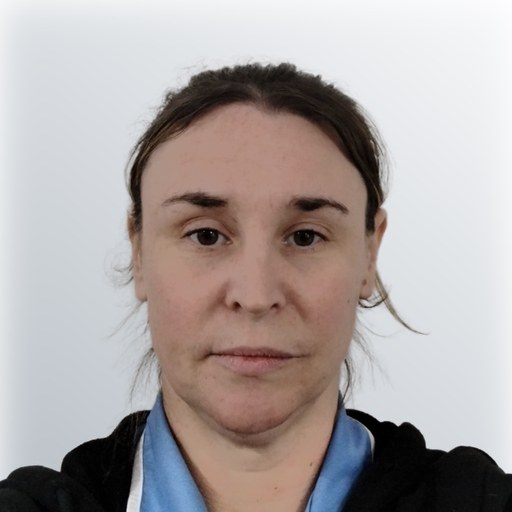



“Primrose is a very kind and compassionate healthcare professional”
Every carer has had an enhanced DBS check in the last 18 months, ID and right-to-work checks and an online interview. Their skills and training are for you to check with them. Carers set their own rates, and who is free changes week to week.