CQC report explained · a nursing home
What the CQC found at The Elms Care Centre
Rated Good: inspectors found the home performing well and meeting their expectations.
- Safe?
- Good
- Inspectors were assured that infection prevention and control procedures were being followed. They were also told that measures were in place to manage COVID-19-related staffing pressures.
- Effective?
- Good
- This area was not assessed in the targeted inspection.
- Caring?
- Good
- This area was not assessed in the targeted inspection.
- Responsive?
- Good
- This area was not assessed in the targeted inspection.
- Well-led?
- Good
- This area was not assessed in the targeted inspection.
What inspectors found, February 2022
The Elms Care Centre was inspected but not rated; inspectors were assured about infection control and visiting arrangements.
This was a targeted inspection on 20 January 2022. It focused on infection prevention and control, visiting arrangements and whether COVID-19 staffing pressures were affecting the home. The inspection was announced with one day's notice.
Inspectors were assured that the home used PPE safely, supported testing, followed shielding and social distancing rules, managed admissions and kept its infection control policy up to date. They were also assured that visits were being facilitated in line with current guidance.
The report records examples of good practice. These included PPE practice sessions with people, adapting communication for someone who used lip reading, outdoor entertainment and continued contact through visits, phone calls and video calls.
The home was inspected but not rated. This was not a full assessment of the quality of care, so the report does not give an overall rating or ratings for most areas.
PPE training
Staff practised putting on and removing PPE in front of people. People were given cards so they could recognise whether staff had done this correctly.
“Staff completed some practise sessions putting on and taking off their PPE, (personal protective equipment, such as gloves, aprons and masks), in front of people.” from the report
Adapted communication
Staff adjusted how they communicated with a person who used lip reading. They removed masks only when socially distanced from the person.
“Staff understood there was a risk to the person if they removed their mask, so they made sure they were socially distanced from the person before removing their mask to communicate.” from the report
Maintaining social contact
People and visitors said visiting had continued in line with current guidance. Phone and video calls were also encouraged.
“People and visitors confirmed visiting had continued according to current guidance, and that other social contact, such as phone and video calls had also been encouraged.” from the report
Outdoor activities
Outdoor musical entertainment allowed people to enjoy an activity while reducing the risk of cross infection.
“Musical entertainment had been put on outside, in warmer weather, so people could enjoy it without the risk of cross infection.” from the report
Inspectors raised no specific concerns in this report.
- 01How are staff currently trained and checked on putting on and removing PPE?
- 02How would staff communicate with someone who relies on lip reading or has another communication need?
- 03What are the current visiting arrangements, and how would visits be managed during an infection outbreak?
- 04Are there currently any staffing pressures, and what effect would they have on daily care?
- 05How are residents and staff currently tested, and how are infection outbreaks prevented or managed?
This was a targeted inspection of infection prevention and control, visiting arrangements and COVID-19-related staffing pressures; it was not a full assessment and the service was inspected but not rated. This explanation was written from the published report of 3 February 2022 by an AI system and checked against the report text: every quoted line appears in the report. It is a guide to the report, not a substitute for it. Read the full report on cqc.org.uk.
What inspectors found, January 2019
The Elms Care Centre was rated Good; inspectors found kind, personalised care, but some medicines and care records were incomplete.
This was an unannounced inspection on 17 and 18 December 2018. Inspectors spoke with people living there, relatives, staff and the registered manager. They reviewed care records, medicines records, recruitment files, complaints, maintenance and quality checks.
The home was rated Good in all five areas: Safe, Effective, Caring, Responsive and Well-led. Inspectors found staff were kind, patient and knowledgeable. People received personalised care, had access to activities and healthcare, and were supported to make choices.
There were some record-keeping gaps. Care plans did not always list current medicines or topical creams, food and fluid records were not always completed consistently, and some care records needed updating. The home was asked to improve these areas, but there was no evidence of serious risks or concerns.
Kind and respectful care
Inspectors saw staff treating people with patience and kindness. People's privacy, dignity, choices and emotional needs were respected.
“We observed staff being patient, responsive and kind.” from the report
Personalised support
Staff knew people's needs, interests and preferences. The home supported important relationships, community links and personal experiences.
“The care people received was personalised and was responsive to people's individual needs.” from the report
Trained staff and suitable staffing
Staff received training and supervision, and staffing levels were assessed against people's needs. Inspectors found enough staff available during the visit.
“Staff were available in the number required to meet people's needs.” from the report
Activities and community links
People could take part in activities suited to their interests, including trips and links with the local community.
“People were provided with opportunities to remain mentally, physically and socially active.” from the report
Open management
People, relatives and staff could give feedback, and the management team used audits and action plans to identify improvements.
“The registered manager sought people's views to make sure people were at the heart of any changes within the home.” from the report
Incomplete medicines records
needs fixingCare plans did not always contain a full list of current medicines, and topical creams were not recorded consistently. The report recommended that records should be reviewed.
“We noted however, that the care plans did not always contain a full list of people's current medicines and the recording of topical creams was not consistent.” from the report
Food and fluid records
needs fixingRecords of people's food and fluid intake were not always completed consistently. Training was planned to improve record keeping.
“We identified that the recording of people's food and fluid intake was not always completed consistently by all staff.” from the report
Shared slings and washing records
needs fixingPeople's slings were being shared and there was no clear programme or record showing when they were washed. The registered manager took action straight away and added this to infection control checks.
“We identified that people's slings were being shared rather than used for each person; there was also not a clear programme or record of when these were washed.” from the report
- 01How do you now make sure each care plan contains the person's complete and current medicines list, including topical creams?
- 02How do you check that food and fluid records are completed consistently for people who need monitoring?
- 03Has the planned training and move to electronic care records been completed, and how is its effect checked?
- 04How are slings allocated, cleaned and recorded now?
- 05How are families involved when care plans are reviewed or people's needs change?
This was an unannounced inspection covering all five CQC questions, involving discussions with people, relatives and staff and reviews of care, medicines, recruitment, complaints, maintenance and quality records. This explanation was written from the published report of 10 January 2019 by an AI system and checked against the report text: every quoted line appears in the report. It is a guide to the report, not a substitute for it. Read the full report on cqc.org.uk.
Every inspection of The Elms Care Centre
4 rated inspections over 4 years: the service has improved, from Requires improvement to Good.
- February 2022Inspected but not ratedcurrent ratingSafe: Inspected but not rated
- January 2019Goodstayed GoodSafe: GoodEffective: GoodCaring: GoodResponsive: GoodWell-led: Good
- May 2017Goodstayed GoodEffective: Good
- July 2016Goodup from Requires improvementSafe: GoodEffective: Requires improvementCaring: GoodResponsive: GoodWell-led: Good
- May 2015Requires improvementSafe: GoodEffective: Requires improvementCaring: GoodResponsive: Requires improvementWell-led: Good
- July 2013
Report published without a new overall rating.
- December 2012
Report published without a new overall rating.
- September 2012
Report published without a new overall rating.
- March 2012
Registered with the Care Quality Commission on 21 March 2012.
Ratings and report dates from the Care Quality Commission, Open Government Licence v3.0. A home can also be visited without a new rating being published, so the timeline shows published inspections.
Weigh the report against the rest
Fees, photos and reviews from families
How to read CQC ratings and reports
What to check when you visit
10 live-in carers within about two hours of Cornwall
These are self-employed carers on PrimeCarers, the introductory agency that runs this directory. Each has a profile with their own rates and reviews from families, and you choose who to talk to.
Most charge £980 to £1,200 a week. 8 can care for a couple. 12 years' experience on average.

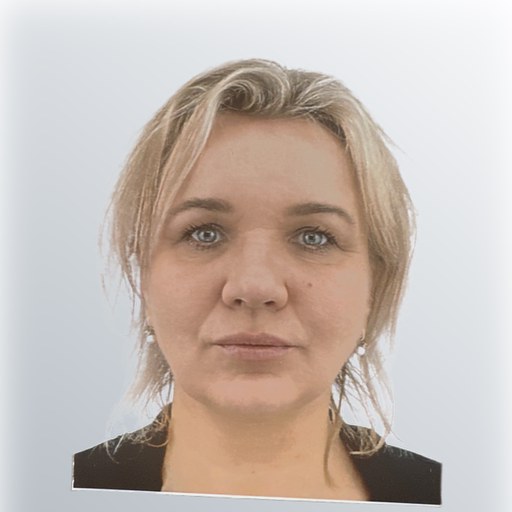


“He had been a little anxious before she arrived, but has since stated that he would be very happy for her to care for him again”
Every carer has had an enhanced DBS check in the last 18 months, ID and right-to-work checks and an online interview. Their skills and training are for you to check with them. Carers set their own rates, and who is free changes week to week.