CQC report explained · a nursing home
What the CQC found at The Byars Nursing Home
Rated Outstanding: inspectors found the home performing exceptionally well.
- Safe?
- Outstanding
- Inspectors found detailed, person-centred risk assessments, sufficient staffing, safe medicine systems and strong safeguarding arrangements. The home supported positive risk-taking so people could remain active and independent.
- Effective?
- Outstanding
- People's needs and preferences were assessed in detail. Staff were well trained, worked closely with health professionals, supported good nutrition and hydration, and followed the principles of the Mental Capacity Act.
- Caring?
- Outstanding
- Inspectors saw warm, respectful relationships between staff and people. Staff supported personal choices, dignity, independence and involvement in care decisions.
- Responsive?
- Outstanding
- Care plans were detailed and regularly reviewed. People were offered activities based on their interests, received personalised end of life care, and had opportunities to raise feedback or concerns.
- Well-led?
- Outstanding
- Inspectors found an open and supportive culture, committed staff and strong systems for checking and improving quality. The home was involved in research and improvement projects.
What inspectors found, August 2019
The Byars Nursing Home was rated Outstanding overall, with inspectors finding exceptionally safe, effective, caring, responsive and well-led care.
This was an unannounced inspection on 16 and 17 April 2019. Inspectors reviewed care and medicine records, staff files, policies and management records. They spoke with five people, eight relatives, 12 staff members and health professionals.
Inspectors found that people received highly personal care from skilled and compassionate staff. Risks were managed in ways that supported people's freedom and choices. Medicines were given safely, staffing was sufficient, the home was clean, and people received good support with food, health needs, activities and end of life care.
All five areas were rated Outstanding. This means inspectors found care that was consistently better than expected compared with similar services, with an exceptional and distinctive experience for people. The safe rating improved from Good at the previous inspection. The other four ratings remained Outstanding.
Kind and respectful care
Staff knew people well and supported their dignity, choices and independence. Inspectors saw caring relationships and unhurried support.
“The staff have the most wonderful care relationship with the residents.” from the report
Activities and community links
People could take part in activities linked to their interests, including time with animals, music, gardening and local events.
“People received opportunities to participate in a wide range of social, recreational and pastoral activities.” from the report
Strong leadership and improvement
The home had an open culture and used quality checks, research and partnerships to improve care. Staff were described as skilled, supported and motivated.
“The service was exceptionally well-led.” from the report
Inspectors raised no specific concerns in this report.
- 01How do you involve residents and relatives when deciding how to manage individual risks?
- 02How do you maintain staffing levels and continuity when staff are absent or on leave?
- 03How do you review medicines, especially medicines used for anxiety or behaviour, with the person and their relatives?
- 04What activities, community opportunities and contact with animals would be available for my relative?
- 05How would you involve our family in advance care planning and end of life decisions?
This was an unannounced inspection of all five key questions, covering both the premises and the care provided. This explanation was written from the published report of 9 August 2019 by an AI system and checked against the report text: every quoted line appears in the report. It is a guide to the report, not a substitute for it. Read the full report on cqc.org.uk. The report was longer than we could read in one go; the later sections may not be reflected.
What inspectors found, November 2016
Rated Outstanding; inspectors found exceptionally caring, personalised and well-led care, with only a minor recruitment-record issue to improve.
This was an unannounced inspection on 20 and 22 September 2016. Inspectors spoke with people living in the home, relatives, staff and health professionals. They observed care, reviewed five care records, and checked staff training and other management records.
The overall rating was Outstanding. Safe care was rated Good. Effective, caring, responsive and well-led care were all rated Outstanding. Inspectors found enough staff, safe medicines management, good staff training, strong healthcare support and careful attention to people's choices and wellbeing.
The home supported up to 30 older people, including people with dementia. Inspectors found personalised dementia care, meaningful activities, strong links with health professionals and a serious approach to complaints. They found a small area for improvement in keeping a complete record of discussions about discrepancies on staff application forms.
Kind and respectful care
Inspectors found that people and relatives consistently experienced care that was compassionate, respectful and personal. Staff built positive relationships and knew people well.
“People who used the service and their relatives consistently said staff supported them with care and compassion and got to know people exceptionally well.” from the report
Strong dementia support
The home used detailed care plans, dementia care mapping and individual strategies to reduce distress and support independence. Inspectors saw these approaches helping people become calmer and more settled.
“The registered manager took a pro-active approach to ensuring people who lived with a dementia related illness received care based on best practice.” from the report
Good food and nutrition support
People had choices, snacks and regular drinks. The home used imaginative food activities and detailed plans to support people at risk of losing weight.
“Innovative methods were used to tantalise people's appetite, capture an interest in food and boost their nutritional intake.” from the report
Personalised activities and daily life
The home offered varied activities and opportunities linked to people's interests and histories. Staff also supported people to stay connected with relatives and the wider community.
“The service was committed to ensuring strong links with the community and placed a strong emphasis on enhancing people's lives through the provision of meaningful, imaginative activities and opportunities.” from the report
Sensitive end-of-life care
The report describes careful planning for end-of-life care and strong support for relatives before and after a death. Feedback from families and professionals was very positive.
“People receiving end of life care were treated love and compassion, as were their relatives and those that mattered to them.” from the report
Strong leadership and improvement
Inspectors found motivated leadership, a positive culture and quality checks that used people's experiences. The home also worked with other organisations to develop practice.
“There was a strong commitment to deliver a high standard of personalised care and continued improvement based on the views of people who used the service and the enhancement of their lives.” from the report
Inspectors raised no specific concerns in this report.
- 01How do you now record and check discussions about discrepancies on staff application forms?
- 02How do you assess staffing levels each day when people's health or support needs change?
- 03How are individual dementia care strategies reviewed when they are no longer effective?
- 04How do you involve relatives in care planning, decision-making and end-of-life wishes?
- 05Which activities and food choices would be available for my relative's particular interests, communication needs and preferences?
This was an unannounced inspection covering all five CQC questions and the overall quality of the home. This explanation was written from the published report of 30 November 2016 by an AI system and checked against the report text: every quoted line appears in the report. It is a guide to the report, not a substitute for it. Read the full report on cqc.org.uk. The report was longer than we could read in one go; the later sections may not be reflected.
Every inspection of The Byars Nursing Home
3 rated inspections over 4 years: the service has improved, from Good to Outstanding.
- August 2019Outstandingcurrent ratingstayed OutstandingSafe: OutstandingEffective: OutstandingCaring: OutstandingResponsive: OutstandingWell-led: Outstanding
- November 2016Outstandingup from GoodSafe: GoodEffective: OutstandingCaring: OutstandingResponsive: OutstandingWell-led: Outstanding
- May 2015GoodSafe: GoodEffective: GoodCaring: GoodResponsive: GoodWell-led: Good
- January 2014
Report published without a new overall rating.
- October 2012
Report published without a new overall rating.
- December 2010
Registered with the Care Quality Commission on 13 December 2010.
Ratings and report dates from the Care Quality Commission, Open Government Licence v3.0. A home can also be visited without a new rating being published, so the timeline shows published inspections.
Weigh the report against the rest
Fees, photos and reviews from families
How to read CQC ratings and reports
What to check when you visit
75 live-in carers within about an hour of Nottinghamshire
These are self-employed carers on PrimeCarers, the introductory agency that runs this directory. Each has a profile with their own rates and reviews from families, and you choose who to talk to.
Most charge £980 to £1,260 a week. 63 can care for a couple. 10 years' experience on average.
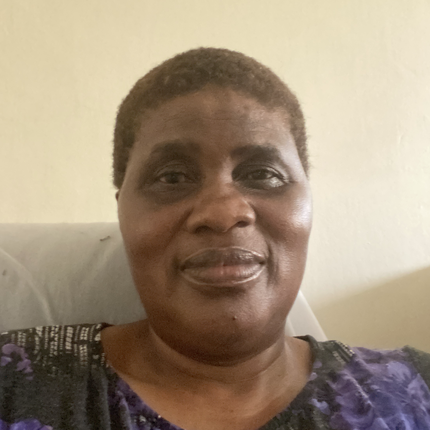



“Ernest is an amazing professional carer who delivers care from the heart.”
Every carer has had an enhanced DBS check in the last 18 months, ID and right-to-work checks and an online interview. Their skills and training are for you to check with them. Carers set their own rates, and who is free changes week to week.