CQC report explained · a residential care home
What the CQC found at Tegfield House
Rated Outstanding: inspectors found the home performing exceptionally well.
- Safe?
- Good
- Inspectors found detailed risk assessments, regular safety checks, safe medicines administration and enough suitably recruited staff. Accidents and incidents were reviewed so lessons could be shared.
- Effective?
- Good
- People's needs were assessed thoroughly and care was delivered in line with relevant guidance. Staff had detailed induction, training, supervision and support, and people received suitable food, drinks and healthcare.
- Caring?
- Outstanding
- People were treated with compassion, dignity and respect. Staff knew people well, offered choices and supported people and their families through difficult times, including end of life care.
- Responsive?
- Outstanding
- Care was highly personalised and flexible. People were supported to follow their interests, maintain relationships, communicate in ways that suited them and take part in a wide range of activities.
- Well-led?
- Good
- The registered manager led by example and was described as supportive and approachable. Audits, meetings and feedback were used to identify and embed improvements, and staff turnover was low.
What inspectors found, September 2019
Tegfield House was rated Outstanding overall; inspectors found exceptionally caring and responsive support, with safe, effective and well-led care rated Good.
This was an unannounced inspection over three days in June 2019. Inspectors spoke with people living in the home, relatives, staff and health professionals. They also checked care records, recruitment files, medicines, safety records, policies and staff rotas.
The home was rated Good for Safe, Effective and Well-led care. Inspectors found people were protected from abuse, risks were assessed, medicines were administered safely and there were enough suitably recruited staff. Staff received detailed training and support, and checks and audits were kept up to date.
Caring and Responsive were rated Outstanding. People were treated with kindness and respect, involved in decisions, and supported to keep their independence and relationships. Care was tailored to people's histories, interests, communication needs, food preferences and end of life wishes.
The overall rating improved from Good at the previous inspection, published in November 2016. Caring and Responsive improved from Good to Outstanding, while the other ratings stayed Good.
Kind and respectful care
Inspectors saw warm, respectful relationships between staff and people. Staff spent time with people, listened to them and supported their choices.
“We saw staff supporting people in an exceptionally caring manner, they knew the people they were supporting well” from the report
Personalised support
Staff learned about people's histories, routines, interests and preferences. This information was used to shape care and help people live as independently as possible.
“People received exceptionally person-centred care and support. Staff knew people very well” from the report
Activities and relationships
People could choose from many activities and were supported to stay connected with family and the local community.
“A wide range of activities was on offer.” from the report
Consistent staff team
Staff turnover was low and the home had not used agency staff for more than six months. This supported continuity for people living there.
“Staff turnover at the service was low and there had been no use of agency staff for more than six months.” from the report
Inspectors raised no specific concerns in this report.
- 01How do you use the electronic care record to make sure changes in care needs are acted on quickly?
- 02How does the twilight shift work, and how many staff are normally available when my relative needs help?
- 03How would you adapt meals and drinks to my relative's likes, dislikes, allergies or swallowing needs?
- 04How would you support my relative's communication needs, including if they had hearing, sight or dementia-related difficulties?
- 05How would you involve our family in care planning and provide updates, including during end of life care?
This was an unannounced planned inspection that looked at all five key questions and both the premises and the care provided. This explanation was written from the published report of 17 September 2019 by an AI system and checked against the report text: every quoted line appears in the report. It is a guide to the report, not a substitute for it. Read the full report on cqc.org.uk. The report was longer than we could read in one go; the later sections may not be reflected.
What inspectors found, November 2016
Tegfield House was rated Good; inspectors found safe, kind and personalised care, with some records needing improvement.
The inspection was unannounced and took place on 28 and 30 September 2016. Inspectors spoke with people, relatives, managers and care staff. They observed care, mealtimes, a staff handover and medicines being given. They also checked care plans, medicines records, staff files and quality records.
The home was rated Good in all five areas: Safe, Effective, Caring, Responsive and Well-led. Inspectors found enough staff, safe medicines systems, suitable training, good care planning and kind staff who knew people well.
The home had previously breached three legal requirements in 2015. At this inspection, inspectors found that the required improvements had been made. They also found a few record-keeping and monitoring issues, including wound notes, opened creams, staffing information and the recording of some best-interest decisions.
Safeguarding and risk management
The home had robust systems for responding to abuse concerns and for learning from accidents and incidents. Staff understood how to identify and report risks.
“People benefited from a safe service where managers and staff understood and acted on their safeguarding responsibilities.” from the report
Kind, personal care
Staff knew people well, including their personal histories, likes and dislikes. Inspectors saw staff treating people with patience, respect and compassion.
“People were cared for by kind and compassionate staff who knew them well.” from the report
Personalised support
Care plans covered people's routines, choices, communication and health needs. Staff were kept informed when people's needs changed.
“People's care and treatment plans were person centred and reflected their preferences and decisions.” from the report
Activities and choice
People could choose whether to join group activities or receive individual support with hobbies and interests. Inspectors saw a varied programme, including activities for people living with dementia.
“People were able to choose what activities they took part in and suggest other activities they would like to complete and these were provided.” from the report
Quality improvement
Managers used audits, feedback and incident information to make changes. The report gives examples including better daily notes and changes to the dining experience.
“This meant the provider had systems in place to drive continuous improvements to the service people received.” from the report
Wound records
needs fixingWounds received prompt attention, but care staff's notes did not always show the latest treatment, progress and outcome clearly enough.
“Although records showed people's wounds received prompt attention.” from the report
Opened creams
needs fixingSome topical medicines had not been dated when opened. A new procedure was put in place during the inspection.
“We noted that some people's topical medicines (creams) were not dated when opened.” from the report
Staffing information
minorThe home had introduced a tool to assess staffing needs, but it had not yet developed the tool enough to confirm that staffing levels remained adequate.
“The provider had not yet developed this tool to ensure the information gathered was used to confirm staffing levels remained adequate to meet people's needs.” from the report
Best-interest records
needs fixingDoLS applications did not initially include a specific capacity assessment and best-interest decision. The registered manager took immediate action to put this process in place.
“Applications for a DoLS did not include a specific mental capacity assessment and best interest decision to ensure the correct procedure was followed prior to an application being made.” from the report
- 01How do you now make sure wound records always show the current treatment, progress and outcome?
- 02How are opened creams labelled and checked so that out-of-date medicines are not used?
- 03How does the staffing level tool affect the number and skills of staff on each shift?
- 04How do you record capacity assessments and best-interest decisions before making DoLS applications?
- 05What changes have been made since the previous inspection, and how do you check that those improvements are lasting?
This was an unannounced comprehensive inspection of the overall service and all five CQC questions, with follow-up checks on three breaches found at the previous inspection. This explanation was written from the published report of 8 November 2016 by an AI system and checked against the report text: every quoted line appears in the report. It is a guide to the report, not a substitute for it. Read the full report on cqc.org.uk.
Every inspection of Tegfield House
3 rated inspections over 4 years: the service has improved, from Requires improvement to Outstanding.
- September 2019Outstandingcurrent ratingup from GoodSafe: GoodEffective: GoodCaring: OutstandingResponsive: OutstandingWell-led: Good
- November 2016Goodup from Requires improvementSafe: GoodEffective: GoodCaring: GoodResponsive: GoodWell-led: Good
- October 2015Requires improvementSafe: Requires improvementEffective: GoodCaring: GoodResponsive: GoodWell-led: Requires improvement
- January 2014
Report published without a new overall rating.
- April 2013
Report published without a new overall rating.
- March 2012
Report published without a new overall rating.
- January 2011
Registered with the Care Quality Commission on 10 January 2011.
Ratings and report dates from the Care Quality Commission, Open Government Licence v3.0. A home can also be visited without a new rating being published, so the timeline shows published inspections.
Weigh the report against the rest
Fees, photos and reviews from families
How to read CQC ratings and reports
What to check when you visit
26 live-in carers within about an hour of Hampshire
These are self-employed carers on PrimeCarers, the introductory agency that runs this directory. Each has a profile with their own rates and reviews from families, and you choose who to talk to.
Most charge £1,020 to £1,260 a week. 23 can care for a couple. 14 years' experience on average.
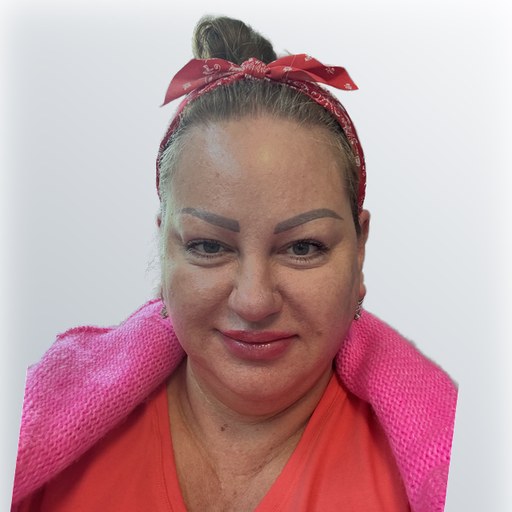



“I cannot recommend Prisca highly enough, she is one in a million.”
“He stayed with her throughout the pandemic, refusing to visit his own family, who lived nearby, to reduce the risk of infection.”
Every carer has had an enhanced DBS check in the last 18 months, ID and right-to-work checks and an online interview. Their skills and training are for you to check with them. Carers set their own rates, and who is free changes week to week.