CQC report explained · a residential care home
What the CQC found at Sunnybank House
Rated Good: inspectors found the home performing well and meeting their expectations.
- Safe?
- Requires improvement
- Inspectors found that people were safe overall, but there were concerns about staffing availability, delayed support, medicines not being available and a possible risk in food for modified diets.
- Effective?
- Good
- Staff had suitable induction, training and supervision. People's needs were assessed, nutrition was monitored and staff worked with healthcare professionals.
- Caring?
- Good
- People and relatives described staff as kind, caring and respectful. Inspectors saw staff supporting people's dignity, choices, independence and consent.
- Responsive?
- Good
- People had personalised care plans, activities and communication support. Complaints were recorded and generally responded to appropriately, although some people experienced delays in receiving support.
- Well-led?
- Good
- The registered manager was visible and approachable. Audits, meetings and a service development plan were being used to identify and track improvements.
What inspectors found, August 2021
Rated Good; inspectors found kind, effective care, but the Safe rating Requires Improvement because staffing and medicines were not always reliable.
This was an unannounced inspection on 17 and 21 June 2021. Inspectors observed care, spoke with people, relatives, staff and health professionals, and checked care records, medicine records, staff files and other documents.
The home was rated Good overall. Effective, Caring, Responsive and Well-led were all rated Good. Inspectors found kind and respectful care, suitable staff training, personalised activities, good healthcare links and stronger leadership than at the previous inspection.
Safe remained Requires Improvement. Inspectors heard concerns about delays in responding to call bells and help with toileting. Some medicines were unavailable or not given as planned. They also identified a possible risk with food for people on a modified diet.
Kind and respectful care
Inspectors saw caring, unhurried interactions. Staff supported privacy, dignity, choice and independence.
“People told us that staff were kind and caring and treated them with respect.” from the report
Good activities
The activities team provided varied events and adapted activities to people's interests, including for people who stayed in their rooms.
“The activities team were passionate about their role and told us about how they tried to ensure that activities were tailored to people's interests” from the report
Staff training and healthcare
Staff received role-relevant training, including training about particular health conditions. The home worked with a range of healthcare professionals.
“Staff undertook a wide range of training, relevant to their role.” from the report
Improved leadership
Inspectors found stronger management and quality monitoring than at the previous inspection. Staff and relatives spoke positively about the registered manager.
“There were effective quality assurance systems in place that lead to improvements that had positive outcomes for people.” from the report
Staffing and response times
seriousSome people waited too long for call bells to be answered or for help with toileting. Staff also reported that staffing levels could affect individualised care.
“Sometimes we can't provide proper care. There is a risk we won't treat people individually; we are task focused” from the report
Medicines not always available
seriousSome medicines were not given because they were out of stock or unavailable, sometimes for several days. Inspectors were not always assured that staff had acted proactively to resolve the problem.
“In 13% of these cases the medicines were not administered as they were not available or out of stock.” from the report
Modified diet safety
seriousInspectors identified a pudding ingredient that could increase risk for someone with a compromised swallow. The service was asked to review its modified-diet menu against the IDDSI framework.
“One of the puddings being offered to people who required a pureed diet included a food item that we were concerned could present an increased risk” from the report
DoLS care plans
needs fixingThe home tracked DoLS authorisations, but inspectors recommended specific care plans showing how people's liberty was being promoted. Inspectors also asked the manager to keep some restrictions on movement under careful review.
“We recommend that the service develop specific DoLS care plans which show how the liberty of people, with a DoLS authorisation, is being promoted.” from the report
- 01How many care staff are scheduled on each floor and shift, and how do you respond when people are waiting too long for call bells or toileting help?
- 02How do you make sure medicines are in stock, and what happens when a medicine is unavailable or cannot be given?
- 03What changes have you made to the menu for people who need a pureed or other modified diet?
- 04Have you introduced specific DoLS care plans showing how each person's liberty is promoted?
- 05How will relatives be involved in reviewing care plans and raising concerns about issues such as hearing aids or access to dental care?
This was an unannounced inspection of the care home, covering all five key questions, the premises and care provided, with infection prevention and control measures also reviewed because of the COVID-19 pandemic. This explanation was written from the published report of 4 August 2021 by an AI system and checked against the report text: every quoted line appears in the report. It is a guide to the report, not a substitute for it. Read the full report on cqc.org.uk.
What inspectors found, November 2019
Rated Requires Improvement; inspectors found kind care, but staffing, medicines records and personalised support were not consistently reliable.
Inspectors visited unannounced on 16 and 18 September 2019. They spoke with people, relatives, staff and health professionals. They reviewed care records, medicines records, staff files, rotas and management records.
The home was clean and people were treated with kindness, dignity and respect. Staff supported people with food, healthcare, communication and end of life care. However, there were not always enough staff to provide timely, personalised support.
Inspectors found 18 gaps in medicines records. They also found some unclear dietary information, incomplete monitoring records and concerns about activities. The home had improved since the previous inspection and was no longer in breach of the earlier safe care regulation, but the improvements were not fully established.
The overall rating remained Requires Improvement. Safe, Effective, Responsive and Well-led were rated Requires Improvement. Caring was rated Good. This was the second consecutive inspection with an overall Requires Improvement rating.
Kind and respectful staff
People and relatives consistently said staff were kind and caring. Inspectors observed warm relationships, respect for privacy and support for independence.
“People consistently told us that staff were kind, caring and compassionate.” from the report
Clean environment
The home was visibly clean and free from unpleasant smells. Staff followed infection control procedures, and the kitchen had the highest local food hygiene rating.
“The service was visibly clean throughout and no malodours were noted.” from the report
Food and nutrition support
The home offered meal choices, snacks and drinks. Staff adapted support to people's preferences and needs, although monitoring and staffing at mealtimes still needed improvement.
“Relatives told us how staff had worked hard to find out which foods which might tempt their family member to eat well.” from the report
End of life care
Most people had end of life care plans describing their wishes. Staff worked with health professionals to provide dignified and pain-free care.
“Staff told us they worked closely with the local hospice and other health professionals to help ensure that people received a pain free and dignified death.” from the report
Medicines records
seriousInspectors found 18 gaps in medicines administration records. They could not be sure whether the medicines had been given, and staff had not always escalated the omissions.
“We reviewed the medicine administration records (MARs) and found 18 gaps where no entry had been recorded.” from the report
Mealtime support and risk information
seriousSome people waited for help with food and drink. Inspectors also saw unclear dietary information and one person did not receive the supervision and prompts set out in their care plan.
“At lunch time on both the Dahlia and Nemesia Units, people were sat at table for long periods of time, watching others being assisted to eat and drink whilst waiting for their own meal.” from the report
Activities
needs fixingPeople had access to activities, but feedback was mixed. Relatives said activities were not always tailored to people's interests, particularly for people living with dementia, and there was too little one-to-one time.
“A number of relatives spoke of the need for the activities programme to have more of a focus on the provision of one to one time and be more tailored to the needs of people living with dementia.” from the report
Incomplete monitoring and care planning
needs fixingFood, fluid and repositioning records were not always fully completed. There was also limited evidence that people were involved in developing or reviewing their care plans.
“However, where additional monitoring arrangements were in place such as food and fluid charts or repositioning charts, these had not always been fully completed which limited their effectiveness as a monitoring tool.” from the report
- 01How many permanent and agency staff are normally working on each unit, including at night and during mealtimes?
- 02What checks now make sure every medicine is recorded correctly, and how are missing entries investigated?
- 03How do you make sure staff know each person's dietary needs and provide the supervision set out in care plans?
- 04What one-to-one and dementia-focused activities are now available, and how do you record people's participation?
- 05How are residents and relatives involved in writing and reviewing care plans?
This was a planned, unannounced inspection of the whole service, covering care, premises and all five CQC questions. This explanation was written from the published report of 2 November 2019 by an AI system and checked against the report text: every quoted line appears in the report. It is a guide to the report, not a substitute for it. Read the full report on cqc.org.uk. The report was longer than we could read in one go; the later sections may not be reflected.
Every inspection of Sunnybank House
5 rated inspections over 5 years: the service has held its Good rating throughout.
- August 2021Goodcurrent ratingup from Requires improvementSafe: Requires improvementEffective: GoodCaring: GoodResponsive: GoodWell-led: Good
- November 2019Requires improvementstayed Requires improvementSafe: Requires improvementEffective: Requires improvementCaring: GoodResponsive: Requires improvementWell-led: Requires improvement
- August 2018Requires improvementstayed Requires improvementSafe: Requires improvementEffective: GoodCaring: GoodResponsive: GoodWell-led: Requires improvement
- May 2017Requires improvementdown from GoodSafe: Requires improvementEffective: GoodCaring: GoodResponsive: Requires improvementWell-led: Requires improvement
- March 2016GoodSafe: Requires improvementEffective: GoodCaring: GoodResponsive: GoodWell-led: Good
- August 2014
Registered with the Care Quality Commission on 29 August 2014.
Ratings and report dates from the Care Quality Commission, Open Government Licence v3.0. A home can also be visited without a new rating being published, so the timeline shows published inspections.
Weigh the report against the rest
Fees, photos and reviews from families
How to read CQC ratings and reports
What to check when you visit
26 live-in carers within about an hour of Hampshire
These are self-employed carers on PrimeCarers, the introductory agency that runs this directory. Each has a profile with their own rates and reviews from families, and you choose who to talk to.
Most charge £1,020 to £1,260 a week. 23 can care for a couple. 14 years' experience on average.
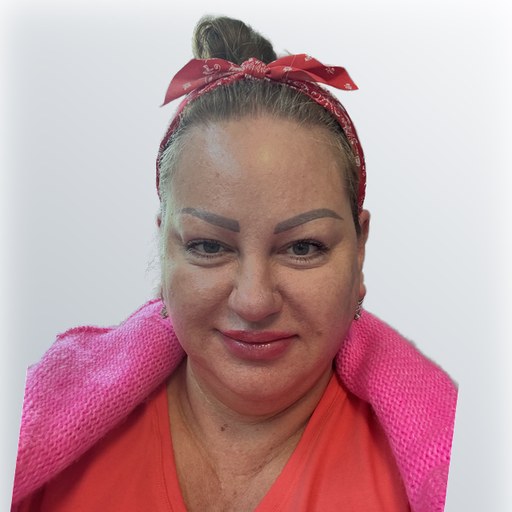



“I cannot recommend Prisca highly enough, she is one in a million.”
“He stayed with her throughout the pandemic, refusing to visit his own family, who lived nearby, to reduce the risk of infection.”
Every carer has had an enhanced DBS check in the last 18 months, ID and right-to-work checks and an online interview. Their skills and training are for you to check with them. Carers set their own rates, and who is free changes week to week.