CQC report explained · a residential care home
What the CQC found at Stoneleigh House
Rated Requires improvement: inspectors found the home was not performing as well as it should and told it what to change.
What inspectors found, February 2022
Rated Requires Improvement; inspectors found unsafe medicines management and weak oversight, although people said they felt safe.
Inspectors visited the home on 20 and 21 January 2022. They spoke with three people and six staff, and checked care records, risk assessments, medicines and management records. The inspection was focused on Safe and Well-led.
Medicines were not always managed safely. Records and stock counts were wrong, including for controlled drugs. Staffing levels had been reduced at some times without a risk assessment. The home was clean and people said they felt safe, but the systems used to check quality had not found the problems inspectors identified.
The overall rating remains Requires Improvement, as it was at the previous inspection. The home breached rules about safe care and treatment and good governance. The provider must send an action plan, and CQC said it will monitor progress and return for another inspection.
People felt safe
People told inspectors they felt safe and that staff responded to requests for help in a timely way.
“I feel safe here, not at all worried or anxious” from the report
Clean and infection controls
The home was clean and inspectors found effective cleaning and infection control processes. COVID-19 visiting and vaccination guidance was being followed.
“The home was clean with effective cleaning and infection control processes in place.” from the report
Recruitment checks
The staff files reviewed contained the required safety checks and new staff had completed a detailed induction.
“All required safety checks and documentation had been completed in the personnel files we reviewed.” from the report
Safeguarding arrangements
Staff had safeguarding training and knew how to report concerns. Safeguarding concerns had been recorded and reported in line with local guidance.
“Staff had received training in safeguarding and knew how to report concerns.” from the report
Positive views of staff
People and staff spoke positively about the support provided and said the home had improved under the current management.
“People and staff spoke positively about the home and support provided.” from the report
Medicines records and stock
seriousControlled drugs had not always been recorded correctly, and stock counts did not match the medicines received and given. Inspectors found at least two controlled-drug tablets and 65 pain relief tablets unaccounted for in the records.
“Medicines were not always managed safely. We found controlled drugs (CD) had not been administered and documented in line with guidance.” from the report
Staffing levels
needs fixingAfternoon and night staffing had been reduced because of recruitment difficulties. The provider had not risk assessed whether these lower levels were safe.
“No risk assessment had been completed to ensure staffing reductions were safe.” from the report
Weak management checks
seriousAudits had not found the medicine problems or contradictory information in care plans. The provider remained in breach because quality monitoring was not effective.
“Systems and processes to monitor the safety and quality of service provision were not robust.” from the report
No central improvement plan
needs fixingThere was no single plan showing which improvements were needed, who was responsible and when actions should be completed. This had delayed some repairs and other actions.
“The manager told us they did not have or use an overarching improvement plan” from the report
Some safety documents outdated
minorThe fire safety risk assessment needed updating and some certificates confirming safety checks were out of date. The manager agreed to request the missing certificates.
“However, the home's fire safety risk assessment required updating and some certificates to confirm compliance, were out of date.” from the report
- 01What changes have been made to medicine records, controlled-drug checks and stock balances since this inspection?
- 02How do you now record variable doses and carry forward remaining medicines between monthly supplies?
- 03How are afternoon and overnight staffing levels risk assessed against each person's needs?
- 04What central improvement plan is now in place, and how are overdue actions monitored?
- 05Has the fire safety risk assessment been updated and have all outstanding safety certificates been obtained?
This was a focused inspection of Safe and Well-led only; the ratings for Effective, Caring and Responsive were carried over from the previous comprehensive inspection. This explanation was written from the published report of 23 February 2022 by an AI system and checked against the report text: every quoted line appears in the report. It is a guide to the report, not a substitute for it. Read the full report on cqc.org.uk.
What inspectors found, January 2021
Stoneleigh House was rated Requires Improvement; inspectors found caring staff and enough staff on duty, but serious weaknesses in recruitment, training, records and management checks.
This was an unannounced focused inspection. The inspector visited on 26 November and 7 December 2020, and inspection activity ended on 17 December. The inspection looked only at Safe and Well-led, partly because of concerns about staff conduct and poor governance.
The home was rated Requires Improvement overall. Safe remained Requires Improvement, and Well-led fell from Good to Requires Improvement. Inspectors found that medicines were generally given safely, people had risk assessments, and staffing levels were sufficient, but staff recruitment, training, controlled-drug knowledge, infection-control systems and daily records needed improvement.
Management checks did not reliably identify or correct problems. Audits were incomplete, records were disorganised, and accidents and incidents were not properly analysed. The provider had appointed an acting manager and a support manager, who had started making changes.
People could not be interviewed because they were isolating during the coronavirus pandemic. Inspectors spoke with five relatives, eight staff and managers, observed care where possible, and reviewed care plans, records, medicines information, staff files and management documents.
Enough staff on duty
Inspectors found that staffing levels were sufficient to meet people's needs.
“Enough staff had been deployed to support people safely.” from the report
Caring, individual support
Relatives described care as person-centred and said staff worked around people's individual needs.
“It's spot on, it's brilliant, absolutely brilliant, [care staff] are very good with [person].” from the report
Medicines usually administered safely
There were no gaps in medication administration records, medicines were stored safely, and guidance was available for medicines given when needed.
“Medication was administered safely. Staff had a good understanding around the timely administration of medication and there were no gaps in medication administration records.” from the report
Risk planning
Care plans gave staff guidance on reducing risks. Fire equipment and essential safety certificates were in place and up to date.
“Care plans provided staff with clear guidance on how to minimise risks to people and keep them safe.” from the report
Unsafe recruitment and incomplete training
seriousReferences and checks were not always completed promptly. Some staff lacked proper induction or staff files, and training, supervision and appraisals were not reliably recorded.
“Staff were not recruited safely. Provision of staff training and support to ensure they could provide safe care was inconsistent.” from the report
Weak management checks and records
seriousThe provider's audits did not reliably identify problems. Daily records were often disorganised and missing names, dates or important care information.
“Auditing and quality monitoring was not robust. Record keeping was not accurate or consistent.” from the report
Dietary information not always recorded
needs fixingDaily records did not always show whether people received modified diets or thickened fluids as set out in their care plans.
“Daily records did not always clearly state whether people with a modified diet, such as pureed food or thickened fluids, had received these in accordance with information recorded in their care plans.” from the report
Controlled-drug knowledge
needs fixingStaff were not clear about the home's controlled-drug processes, and the relevant records included medicines that were not controlled drugs.
“Staff were not clear on the controlled drugs processes at the home.” from the report
Limited learning from incidents
needs fixingAccidents and incidents had not been audited or analysed to identify patterns or lessons that could improve care.
“Accidents and incidents had not been audited or analysed to identify any trends or lessons which could inform improved care.” from the report
- 01Have all staff now had timely references, DBS checks, a full induction and the required mandatory training?
- 02How are staff competency checks and training for medicines, including controlled drugs, being completed and recorded?
- 03How do you check that daily records accurately include people's names, dates, dietary intake and modified-diet information?
- 04What changes have been made to quality audits, and how do you know they now identify problems?
- 05How are accidents and incidents reviewed so that patterns and lessons lead to changes in care?
This was a focused inspection of Safe and Well-led only; the other key-question ratings were not inspected and were carried over from the previous comprehensive inspection. This explanation was written from the published report of 27 January 2021 by an AI system and checked against the report text: every quoted line appears in the report. It is a guide to the report, not a substitute for it. Read the full report on cqc.org.uk.
Every inspection of Stoneleigh House
5 rated inspections over 5 years: the service has held its Requires improvement rating throughout.
- February 2022Requires improvementcurrent ratingstayed Requires improvementSafe: Requires improvementEffective: GoodCaring: GoodResponsive: GoodWell-led: Requires improvement
- January 2021Requires improvementdown from GoodSafe: Requires improvementWell-led: Requires improvement
- April 2019Goodstayed GoodSafe: Requires improvementWell-led: Good
- March 2018Goodup from Requires improvementSafe: GoodEffective: GoodCaring: GoodResponsive: GoodWell-led: Good
- December 2016Requires improvementSafe: Requires improvementEffective: GoodCaring: GoodResponsive: GoodWell-led: Requires improvement
- September 2013
Report published without a new overall rating.
- September 2012
Report published without a new overall rating.
- January 2011
Registered with the Care Quality Commission on 12 January 2011.
Ratings and report dates from the Care Quality Commission, Open Government Licence v3.0. A home can also be visited without a new rating being published, so the timeline shows published inspections.
Weigh the report against the rest
Fees, photos and reviews from families
How to read CQC ratings and reports
What to check when you visit
At least 100 live-in carers within about an hour of Oldham
These are self-employed carers on PrimeCarers, the introductory agency that runs this directory. Each has a profile with their own rates and reviews from families, and you choose who to talk to.
Most charge £980 to £1,260 a week. 92 can care for a couple. 10 years' experience on average.
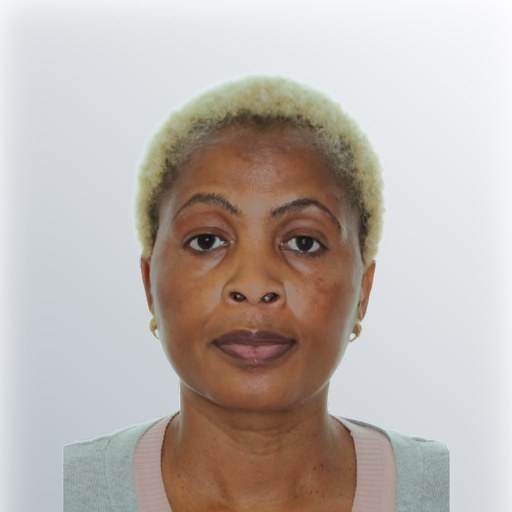



“Primrose is a very kind and compassionate healthcare professional”
Every carer has had an enhanced DBS check in the last 18 months, ID and right-to-work checks and an online interview. Their skills and training are for you to check with them. Carers set their own rates, and who is free changes week to week.