CQC report explained · a residential care home
What the CQC found at St Marys
Rated Requires improvement: inspectors found the home was not performing as well as it should and told it what to change.
What inspectors found, February 2018
Rated Good; inspectors found kind, safe and well-organised care, with some records and activity arrangements needing attention.
Inspectors made an unannounced, comprehensive visit on 15 January 2018. They spoke with people living in the home, relatives, staff and community nurses. They observed care and checked care records, medicines, staff training, recruitment, complaints and quality checks.
The home was rated Good in all five areas: Safe, Effective, Caring, Responsive and Well-led. People were protected from abuse, risks were assessed, staffing was sufficient and medicines were generally managed safely. Staff knew people well and were described as kind, patient and respectful.
The inspection found improvements since January 2017. The previous breach about quality and safety checks had been met, and repairs and refurbishment had been carried out. Inspectors still found some shortfalls, including incomplete information for some medicines, delays in training two new staff, and limited recording of activities.
Kind and respectful staff
Inspectors saw staff building warm relationships with people. Staff were calm, patient and responsive, including when people were anxious or repeatedly asked questions.
“Our observations of staff engagement with people, found staff showed a warm affection and respect in the way they spoke with people.” from the report
Safe staffing and risk management
The home had enough staff on the inspection day, with staff responding promptly to requests. Risks such as falls, nutrition, moving and handling and skin care were assessed and reviewed.
“People were supported by sufficient staffing levels that were deployed appropriately.” from the report
Good food and healthcare support
People had choices of meals and drinks, with individual dietary needs supported. Staff worked with healthcare professionals and followed their recommendations.
“People received sufficient to eat and drink and meals provided people with choice and met their individual needs and preferences.” from the report
Improvements since the previous inspection
The home had addressed the previous breach about quality and safety checks. Environmental repairs and improvements to care planning had also been made.
“At this inspection we found systems in place to monitor quality and safety was fully implemented and working well.” from the report
Personalised care
Care plans included people's routines, histories, preferences, communication needs and cultural or religious needs. People were supported to make choices about daily life.
“People's support plans demonstrated how their diverse needs, including their religious and cultural needs and preferences, had been considered and planned for.” from the report
Some as-needed medicines records were incomplete
needs fixingSome protocols for medicines given as needed did not state the maximum dosage. The manager corrected this immediately during the inspection.
“On the whole these had been completed appropriately but the maximum dosage was not recorded in some.” from the report
Training was delayed for two new staff
needs fixingTwo new staff had completed induction but had not yet received training from the provider. Training was arranged within four days of the inspection.
“We identified two new staff had received an induction but had not received any training.” from the report
Mental capacity reviews were not routine
needs fixingCapacity assessments and best-interest decisions were recorded, but they were not routinely reviewed. The management team agreed to include these checks in monthly care plan reviews.
“We noted however, MCA and best interest decisions were not being routinely reviewed and discussed this with the management team.” from the report
Activities were not enough for everyone
minorActivities and equipment were available, but one person and a relative said there was not enough to do or enough stimulation. The home did not consistently record whether people took part.
“One person and a visiting relative told us they felt there was a lack of activities and stimulation.” from the report
Some management systems still needed development
minorThere was no ongoing action plan showing how identified shortfalls were being managed or how the service was developing. The manager was also providing care, which limited time in the office.
“There was not an ongoing action plan to show how the service was progressing and developing, or how any shortfalls identified through internal monitoring were being managed.” from the report
- 01How do you now check that instructions for medicines given as needed include the maximum dose?
- 02How do you make sure new staff complete all required training before providing care?
- 03How often are mental capacity assessments and best-interest decisions reviewed?
- 04How do you plan activities around each person's interests, abilities and need for stimulation?
- 05What action plan is now used to track quality improvements and any shortfalls?
This was an unannounced comprehensive inspection covering all five CQC questions, including the home, care provided, records, staff and quality systems. This explanation was written from the published report of 22 February 2018 by an AI system and checked against the report text: every quoted line appears in the report. It is a guide to the report, not a substitute for it. Read the full report on cqc.org.uk.
What inspectors found, February 2017
Rated Requires Improvement; inspectors found kind and effective care, but safety checks, care records, activities and leadership needed improvement.
This was an unannounced inspection on 12 January 2017. Inspectors observed care, spoke with people, relatives, staff and a healthcare professional, and checked care records, recruitment files, medicines and quality checks.
The home was rated Good for effective care and for caring. Staff training and support had improved since the previous inspection. People were supported with food, drink, healthcare, consent and their rights. Inspectors found staff were usually kind and respectful.
The home was rated Requires Improvement for safe, responsive and well-led care. Inspectors found environmental safety risks, gaps in medicines information, and no risk or care plans for people receiving short-term care. Activities were limited, and the home's checks had not found or dealt with several risks.
The overall rating means the home was not consistently meeting the standard expected. The provider was in breach of Regulation 17 on good governance. CQC asked the provider to send an action report and said it would check that improvements were made.
Improved staff training
The previous shortfall in staff training and support had been addressed. Staff had induction, training, supervision and appraisal opportunities.
“Staff received appropriate opportunities to complete training and update their knowledge and skills.” from the report
Kind and respectful care
People described staff positively, and inspectors observed reassurance, support with comfort and respect for privacy and dignity in most situations.
“On the whole staff were caring, kind and compassionate and had a good approach when supporting people.” from the report
Food and drink
People had choices that reflected their needs and preferences. Inspectors saw meals being freshly prepared and people's dietary information being shared with kitchen staff.
“People received a choice of what to eat and drink and these met people's needs and preferences.” from the report
Healthcare support
Staff understood people's health needs and worked with outside healthcare professionals. Records showed recommendations and referrals were followed in a timely way.
“People were supported appropriately with their healthcare needs and the service worked well with external healthcare professionals.” from the report
Missing short-term care plans
seriousPeople receiving short-term care had no written risk or care plans explaining their needs and the support required. This could affect their health and wellbeing.
“There were no care plans in place for people in receipt of short term care.” from the report
Medicines recording and checks
seriousInstructions for medicines given when needed did not always include a maximum daily dose. Audits also missed two small stock discrepancies, and some medicine-taking preferences were not recorded.
“This meant staff did not have clear instruction and people's safety may have been compromised.” from the report
Limited activities
minorSeveral people and a relative said there was little to do. Activity records showed many people had declined, were sleeping or were otherwise not taking part.
“This told us that activities provided limited stimulation, interest and occupation.” from the report
Weak quality monitoring
seriousThe home's systems did not identify or reduce important risks. There was no action plan to show how improvements would be driven forward, which led to a breach.
“The provider did not have an effective system to regularly assess, monitor and improve the quality of service that people received.” from the report
- 01What action has been taken to repair or replace the unsafe dining chairs, hot radiators, damaged windows and other outstanding repairs?
- 02How are medicines given when needed recorded now, including the maximum dose in 24 hours and each person's preferred way to take them?
- 03How are risk assessments and care plans completed for people receiving short-term care before and during their stay?
- 04What regular activities are now available, and how are they adapted for people who decline or find group activities difficult?
- 05How are people and relatives now asked for feedback, and how does the home show that it acts on what they say?
This was an unannounced inspection of the overall service, covering all five CQC questions; the visit took place on 12 January 2017. This explanation was written from the published report of 10 February 2017 by an AI system and checked against the report text: every quoted line appears in the report. It is a guide to the report, not a substitute for it. Read the full report on cqc.org.uk.
Every inspection of St Marys
4 rated inspections over 3 years: the service has improved, from Requires improvement to Good.
- February 2018Goodcurrent ratingup from Requires improvementSafe: GoodEffective: GoodCaring: GoodResponsive: GoodWell-led: Good
- February 2017Requires improvementstayed Requires improvementSafe: Requires improvementEffective: GoodCaring: GoodResponsive: Requires improvementWell-led: Requires improvement
- March 2016Requires improvementstayed Requires improvementSafe: GoodEffective: Requires improvementCaring: GoodResponsive: GoodWell-led: Requires improvement
- July 2015Requires improvementSafe: Requires improvementEffective: GoodCaring: Requires improvementResponsive: Requires improvementWell-led: Requires improvement
- September 2014
Report published without a new overall rating.
- August 2014
Report published without a new overall rating.
- November 2013
Report published without a new overall rating.
- January 2013
Report published without a new overall rating.
- November 2012
Report published without a new overall rating.
- June 2012
Report published without a new overall rating.
- January 2012
Report published without a new overall rating.
- November 2010
Registered with the Care Quality Commission on 9 November 2010.
Ratings and report dates from the Care Quality Commission, Open Government Licence v3.0. A home can also be visited without a new rating being published, so the timeline shows published inspections.
Weigh the report against the rest
Fees, photos and reviews from families
How to read CQC ratings and reports
What to check when you visit
75 live-in carers within about an hour of Nottinghamshire
These are self-employed carers on PrimeCarers, the introductory agency that runs this directory. Each has a profile with their own rates and reviews from families, and you choose who to talk to.
Most charge £980 to £1,260 a week. 63 can care for a couple. 10 years' experience on average.
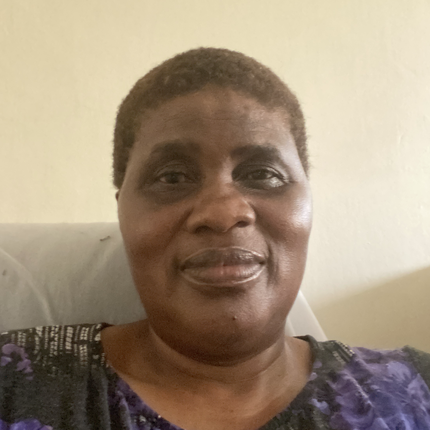



“Ernest is an amazing professional carer who delivers care from the heart.”
Every carer has had an enhanced DBS check in the last 18 months, ID and right-to-work checks and an online interview. Their skills and training are for you to check with them. Carers set their own rates, and who is free changes week to week.