CQC report explained · a residential care home
What the CQC found at St Mary's Haven
Rated Good: inspectors found the home performing well and meeting their expectations.
- Safe?
- Good
- Inspectors found people were protected from abuse and avoidable harm. Risks were recorded, staffing was sufficient and medicines were generally given safely, although one medicine storage room was above the recommended temperature.
- Effective?
- Good
- Staff had relevant training, supervision and induction. People received support with healthcare, eating and drinking, and decisions about consent were made within the law.
- Caring?
- Good
- Caring was not assessed during this focused inspection.
- Responsive?
- Good
- Care records were personalised and regularly reviewed. People were supported with communication, activities, relationships, complaints and end of life choices.
- Well-led?
- Good
- Inspectors found clearer responsibilities, regular audits, better records and a positive culture. The management team had acted on the previous inspection's concerns.
What inspectors found, August 2021
Rated Good; inspectors found kind, safe care and major improvements since the previous inspection, with medicine storage and dementia signage still being monitored.
This was an unannounced focused inspection on 22 and 23 July 2021. Two inspectors and a CQC medicines team member spoke with people, staff and healthcare professionals, and reviewed care, medicines and management records.
The home was rated Good overall. Safe, Effective, Responsive and Well-led were all rated Good. Inspectors found people were safe, treated with kindness, supported by trained staff and given personalised care. Medicines were generally given safely, but the temperature of one medicine storage room needed continued monitoring.
The rating improved from Requires improvement, published in February 2020. The previous inspection found several legal breaches. This inspection found enough improvement for the home to no longer be in breach. Caring was not assessed during this focused inspection.
Kind and respectful care
People appeared comfortable with staff. Inspectors saw staff spending time talking with people, and feedback about care was positive.
“People looked happy and comfortable with staff supporting them.” from the report
Personalised care records
Care records described people's needs, preferences and personalities. They were reviewed when people's needs changed.
“Care records were individualised, covered people's specific needs and held information about people's preferences and personalities.” from the report
Improved management
The home had introduced better audits and clearer systems. Inspectors found that previous regulatory breaches had been addressed.
“We found all new process consistently embedded.” from the report
Staffing and training
Inspectors found enough staff on duty and systems to provide induction, training, supervision and competency checks.
“There were sufficient numbers of staff employed and on duty to meet people's assessed needs.” from the report
Medicine storage temperature
needs fixingOne medicine storage room was recording temperatures above the manufacturer's recommended maximum. The home ordered more accurate thermometers and was asked to keep monitoring this.
“We recommend that the provider continues to monitor the temperatures and takes action if they are reported as regularly being out of the recommended range.” from the report
Dementia signage
minorPictorial signs to help people with dementia find their way around were not yet in place. The home had sought professional advice and was arranging suitable signage.
“No pictorial signage was in place in the dementia unit to help support people who needed orientation to their surroundings.” from the report
- 01How are you checking and recording the temperature of every medicine storage area now?
- 02When will the pictorial signage in the dementia unit be installed?
- 03How do you support people with dementia to find toilets, bathrooms and communal areas while signage is being completed?
- 04How do you check that care records and risk assessments remain accurate after a person's needs change?
- 05How are staff competency checks being renewed after the introduction of the new electronic medicines system?
This was a focused inspection of Safe, Effective, Responsive and Well-led; Caring was not assessed, and the inspection used previous ratings for key questions not examined. This explanation was written from the published report of 27 August 2021 by an AI system and checked against the report text: every quoted line appears in the report. It is a guide to the report, not a substitute for it. Read the full report on cqc.org.uk.
What inspectors found, February 2020
St Mary's Haven was rated Requires Improvement, with kind care but serious weaknesses in safety, records and management, and an Inadequate well-led rating.
Inspectors visited without notice on 16 January 2020. Two inspectors and a medicines specialist spoke with people, relatives, staff and healthcare professionals. They reviewed care plans, medicine records, training, complaints, incidents and management audits.
People were generally treated kindly and with respect. Staff supported choices, responded to call bells and provided activities seven days a week. People received their medicines as prescribed and the home appeared clean.
However, important information was often missing, conflicting or out of date. Risk assessments and care guidance were incomplete, monitoring records had gaps, and some staff were not trained for conditions such as epilepsy and diabetes. The home did not have effective systems to identify and fix these problems.
The overall rating was Requires Improvement. Safe, effective and responsive were also Requires Improvement. Caring stayed Good, while well-led fell from Requires Improvement to Inadequate. The home had been rated Requires Improvement at the previous two inspections, and inspectors found that earlier concerns had not been sufficiently addressed.
Kind and respectful care
People and relatives felt staff were kind, caring and respectful. Inspectors saw staff respond promptly and support people in a calm, person-centred way.
“People and relatives agreed the staff were kind and caring.” from the report
Choices and independence
People were supported to make choices about their care, food and daily lives. Staff encouraged people to do as much as possible for themselves.
“People were able to make choices about their life and how their care and support were provided.” from the report
Activities and community access
Activities were available every day, with a minibus helping people access the local community. Visitors were encouraged and the home had a chapel.
“There were activities provided for people seven days a week.” from the report
Staffing and recruitment checks
Inspectors found pre-employment checks had been completed. People said there were enough staff and that call bells were answered promptly.
“All pre-employment checks had been carried out before staff started work, such as criminal record checks and references.” from the report
Medicines usually received
People received their medicines as prescribed and stock was monitored. There were also arrangements for secure storage and disposal.
“People had received their medicines as prescribed. Stock levels were being monitored to ensure they did not run out of medicines.” from the report
Incomplete risk guidance
seriousCare plans did not always explain how staff should support people with epilepsy, diabetes or moving and handling needs. This could leave people at risk of avoidable harm.
“Risks relating to people's care needs were not always well managed.” from the report
Gaps in monitoring records
seriousRecords for food and drink, skin checks, repositioning and pressure-relieving mattresses contained gaps. Inspectors could not always confirm that planned care had been provided.
“All the monitoring records we reviewed contained gaps.” from the report
Training and supervision shortfalls
seriousSome mandatory training was overdue and staff did not generally have training for specific conditions such as epilepsy. Supervision was not provided as often as the home's policy required.
“Staff had not always received necessary required training.” from the report
Weak management oversight
seriousThe home did not have reliable audits or governance systems to find and fix problems. Concerns from the previous inspection remained.
“The provider continued to fail to have effective oversight and governance arrangements that helped improve the quality of the service.” from the report
Consent records were inaccurate
seriousInformation about Deprivation of Liberty Safeguards and Lasting Powers of Attorney was incorrect. Inspectors said some people may have been unlawfully restricted, although they found no evidence of harm.
“This meant that some people may have been unlawfully restricted.” from the report
Dementia environment needs improvement
needs fixingSome corridors had slopes without warning signs or handrails, and the dementia unit lacked pictorial signs to help people find their way. A sluice door was not securely closed.
“No pictorial signage was in place in the dementia unit to help support people who needed orientation to their surroundings.” from the report
- 01What specific training have staff now completed for supporting people with epilepsy and diabetes, and how is this checked?
- 02How do you make sure risk assessments and care plans are updated when a person's needs change?
- 03How are repositioning, skin checks, food and drink records, and pressure-relieving mattress settings now audited?
- 04How do you check that Deprivation of Liberty Safeguards and Lasting Powers of Attorney records are accurate and reviewed on time?
- 05What action has been taken since the inspection to improve management oversight and prevent the same concerns from recurring?
This was an unannounced scheduled inspection of the care, premises and management of the home, reviewing action after the previous inspection and considering all five CQC questions. This explanation was written from the published report of 29 February 2020 by an AI system and checked against the report text: every quoted line appears in the report. It is a guide to the report, not a substitute for it. Read the full report on cqc.org.uk.
Every inspection of St Mary's Haven
3 rated inspections over 3 years: the service has improved, from Requires improvement to Good.
- August 2021Goodcurrent ratingup from Requires improvementSafe: GoodEffective: GoodCaring: GoodResponsive: GoodWell-led: Good
- February 2020Requires improvementstayed Requires improvementSafe: Requires improvementEffective: Requires improvementResponsive: Requires improvementWell-led: Inadequate
- January 2019Requires improvementSafe: Requires improvementEffective: GoodCaring: GoodResponsive: GoodWell-led: Requires improvement
- April 2018
Registered with the Care Quality Commission on 24 April 2018.
Ratings and report dates from the Care Quality Commission, Open Government Licence v3.0. A home can also be visited without a new rating being published, so the timeline shows published inspections.
Weigh the report against the rest
Fees, photos and reviews from families
How to read CQC ratings and reports
What to check when you visit
10 live-in carers within about two hours of Cornwall
These are self-employed carers on PrimeCarers, the introductory agency that runs this directory. Each has a profile with their own rates and reviews from families, and you choose who to talk to.
Most charge £980 to £1,200 a week. 8 can care for a couple. 12 years' experience on average.

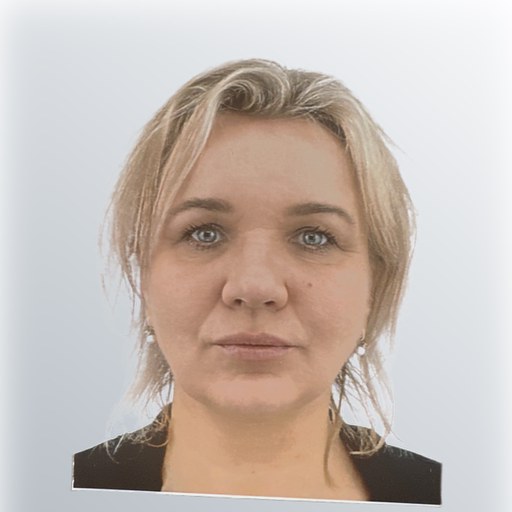


“He had been a little anxious before she arrived, but has since stated that he would be very happy for her to care for him again”
Every carer has had an enhanced DBS check in the last 18 months, ID and right-to-work checks and an online interview. Their skills and training are for you to check with them. Carers set their own rates, and who is free changes week to week.