CQC report explained · a residential care home
What the CQC found at Squirrels
Rated Good: inspectors found the home performing well and meeting their expectations.
- Safe?
- Good
- Inspectors were assured about infection control, safeguarding and the way incidents were investigated. Staff understood how to report abuse or harm.
- Effective?
- Good
- This area was not reviewed in this targeted inspection.
- Caring?
- Good
- This area was not reviewed in this targeted inspection, although relatives described the care positively.
- Responsive?
- Good
- This area was not reviewed in this targeted inspection. The report says staff adjusted routines and activities during the pandemic while considering people's anxiety and understanding.
- Well-led?
- Good
- Relatives and staff described open, supportive management. The provider used visits and audits to monitor safety and quality.
What inspectors found, February 2021
Squirrels was inspected but not rated; inspectors found safe infection controls, supportive management and appropriate medicines systems.
This was a targeted inspection. Inspectors looked at safeguarding, medicines given when needed, the management culture, incident handling and infection control during the COVID-19 pandemic.
They spoke with staff, relatives and a social worker. They observed care, reviewed care plans, medicines records, incident reports and management records. They found systems to protect people from abuse, learn from incidents and reduce the use of some medicines.
Relatives said they were happy with the care and communication. Staff said they felt supported. Inspectors were assured that infection control measures, including cleaning, protective equipment, testing and social distancing, reduced risks from COVID-19.
The home was inspected but not rated. This means the inspection did not review all five areas of care. The previous overall rating was Good, from 12 February 2018, and the Safe and Well-led ratings were not changed because only specific concerns were examined.
Infection control
Inspectors were assured that the home had suitable arrangements for cleaning, protective equipment, testing, social distancing and managing outbreaks.
“We were assured that infection control measures in place reduced the risks to people from COVID-19.” from the report
Safeguarding
Staff had safeguarding training and understood what to do if they suspected abuse or avoidable harm. Concerns were reported to safeguarding teams when needed.
“The provider had taken appropriate action to report concerns to local safeguarding teams when issues arose.” from the report
Learning from incidents
Incidents were recorded, reviewed and reported to the relevant people. The home used them to identify actions that might reduce the chance of events happening again.
“Incident reports were recorded by staff and reviewed by the registered manager or senior staff.” from the report
Medicines support
The home used plans and positive support approaches to reduce the need for medicines given when required. Prescriptions were reviewed regularly or when people's needs changed.
“People's care and medicines administration records reflected that these medicines were only used once other strategies had been exhausted.” from the report
Open management
Relatives said management kept them informed, and staff said they felt supported. Inspectors also found regular visits and audits of the service.
“Staff we spoke to told us there was a positive culture at the service and that they felt supported by the management.” from the report
Inspectors raised no specific concerns in this report.
- 01How do you currently monitor and review medicines given when required for pain or anxiety?
- 02How will you tell us about any incidents involving our relative, and what changes will follow?
- 03How do you support people when routines, staff or visiting arrangements change?
- 04What safeguarding training have staff completed, and how can families raise concerns outside the home?
- 05What improvements have been made since the previous Good rating in February 2018?
This was a targeted inspection of specific risks and infection control, focusing mainly on Safe and Well-led; the other areas were not reviewed and the ratings were not changed. This explanation was written from the published report of 5 February 2021 by an AI system and checked against the report text: every quoted line appears in the report. It is a guide to the report, not a substitute for it. Read the full report on cqc.org.uk.
What inspectors found, February 2018
Squirrels was rated Good; inspectors found safe, kind and personalised care across all five areas.
The inspection was unannounced and took place on 12 and 21 December 2017. Inspectors spoke with relatives, managers and care staff, observed support, and checked care plans, medicines, staffing and other records.
All five areas were rated Good: safe, effective, caring, responsive and well-led. Inspectors found enough staff, safe medicines systems, trained staff, personalised care plans and support for people's communication, independence, activities and healthcare.
The home had systems to monitor quality and learn from incidents. Relatives and staff said the management team was approachable and effective, and relatives said concerns were dealt with appropriately.
Enough staff
Staffing was arranged around people's needs and supported them to attend regular activities in the community.
“There were sufficient staff available to meet people's needs.” from the report
Personalised communication
Staff used communication tools and information about each person to understand choices, preferences and distress signals.
“During the inspection, we saw staff effectively using these strategies to promote people's choice and facilitate communication.” from the report
Meaningful activities
People had individual activity programmes and were supported to build skills, manage anxieties and maintain important relationships.
“People were supported with a range of personalised activities which focussed on their health, independence and social skills.” from the report
Strong management checks
The home used regular audits, feedback and incident reviews to identify issues and make improvements.
“The provider had a system in place to effectively monitor the quality and safety of the service.” from the report
Inspectors raised no specific concerns in this report.
- 01How will you learn and use my relative's preferred ways of communicating, especially if they communicate without speech?
- 02How will you support my relative to keep their usual routines while also developing independence?
- 03What activities and community opportunities would be suitable for my relative, and how would you adapt them if they became anxious?
- 04How would you involve our family in care plan reviews and provide regular updates?
- 05How do you review medicines prescribed for pain or anxiety, including whether they can be reduced?
This was an unannounced inspection of the overall service covering Safe, Effective, Caring, Responsive and Well-led; the previous inspection was in July 2015 under a different provider. This explanation was written from the published report of 1 February 2018 by an AI system and checked against the report text: every quoted line appears in the report. It is a guide to the report, not a substitute for it. Read the full report on cqc.org.uk.
Every inspection of Squirrels
Each visit the CQC has published, newest first, back to the day the home was registered.
- February 2021Inspected but not ratedcurrent ratingSafe: Inspected but not ratedWell-led: Inspected but not rated
- February 2018GoodSafe: GoodEffective: GoodCaring: GoodResponsive: GoodWell-led: Good
- October 2016
Registered with the Care Quality Commission on 14 October 2016.
Ratings and report dates from the Care Quality Commission, Open Government Licence v3.0. A home can also be visited without a new rating being published, so the timeline shows published inspections.
Weigh the report against the rest
Fees, photos and reviews from families
How to read CQC ratings and reports
What to check when you visit
26 live-in carers within about an hour of Hampshire
These are self-employed carers on PrimeCarers, the introductory agency that runs this directory. Each has a profile with their own rates and reviews from families, and you choose who to talk to.
Most charge £1,020 to £1,260 a week. 23 can care for a couple. 14 years' experience on average.
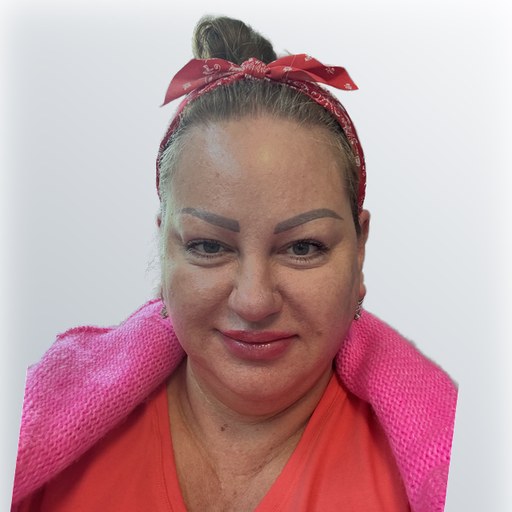



“I cannot recommend Prisca highly enough, she is one in a million.”
“He stayed with her throughout the pandemic, refusing to visit his own family, who lived nearby, to reduce the risk of infection.”
Every carer has had an enhanced DBS check in the last 18 months, ID and right-to-work checks and an online interview. Their skills and training are for you to check with them. Carers set their own rates, and who is free changes week to week.