CQC report explained · a residential care home
What the CQC found at SignHealth Claridge Road
Rated Good: inspectors found the home performing well and meeting their expectations.
- Safe?
- Good
- People told inspectors they felt safe. Risks were assessed and managed, although some gaps in risk assessments were found and addressed promptly.
- Effective?
- Good
- Staff had the skills, training and support needed to provide care. People were supported with meals, healthcare, communication and making their own decisions.
- Caring?
- Good
- People said they were happy with the care and enjoyed talking to staff. Staff respected privacy, dignity and independence.
- Responsive?
- Good
- People were involved in planning their support and had personalised plans. They were supported to take part in activities and use the local community, but some records were duplicated and difficult to follow.
- Well-led?
- Good
- People and staff gave positive feedback about the management team. Audits and improvement plans were in place, and managers acted quickly on the medicine and support-plan issues found.
What inspectors found, October 2019
SignHealth Claridge Road was rated Good; inspectors found safe, kind and personalised care, with some medicine and record-keeping improvements needed.
The inspection took place on 17 and 24 September 2019. One inspector visited, with a sign language interpreter. Inspectors spoke with four people and seven staff, and checked care, medicine, recruitment and management records.
The home was supporting six Deaf people with mental health needs. Inspectors found enough staff, safe care, good support with health needs and meals, and staff who understood people well. People were supported to communicate, make choices and live as independently as possible.
Some medicine records did not contain all the necessary detail, and information in some support plans was duplicated or confusing. The management team acted on these issues during or after the inspection. All five areas were rated Good, as was the overall service.
People felt safe
People told inspectors they felt safe, and staff understood how to recognise and report abuse. There were systems to manage risks and enough staff to support people at home and in the community.
“People told us they felt safe.” from the report
Person-centred care
Staff knew people well and supported them in ways that reflected their individual needs. People were involved in decisions about their care and encouraged to be independent.
“Staff knew people well and cared for them in a person-centred way.” from the report
Communication support
People were supported to communicate at home and when attending appointments. Interpreters, Deaf advocates and alternative formats were available when appropriate.
“People told us they had access to an interpreter and a Deaf advocate when appropriate.” from the report
Good leadership
The management team was accessible and approachable. Staff and managers used meetings, audits and improvement plans to monitor and develop the service.
“The provider and management team who worked at the service on a day to day basis promoted high quality care.” from the report
Some medicine records lacked detail
needs fixingInformation was not complete for some medicines taken when needed, including some handwritten records for over-the-counter medicines. The management team addressed this during the inspection.
“Some people had over the counter medicines, for example, cold and flu remedies; these MARs were handwritten but did not contain all the necessary detail.” from the report
Support plans could be confusing
needs fixingSome risk assessments and support plans repeated information, and some review dates went back several years. The management team said it planned to simplify the format and make it easier to read.
“Information in some risk assessments and support plans was duplicated which meant there was a lot of information for people to read.” from the report
- 01What changes have been made to records for medicines that people take when needed?
- 02How do you now make sure handwritten medicine records contain all the necessary details?
- 03How have support plans been simplified so that people and families can read and understand them easily?
- 04How do you make sure there are enough bank workers to cover shifts when regular staff are unavailable?
- 05How will my relative be supported to communicate at home and when attending health appointments?
This was a planned inspection that looked at all five CQC questions, including the care provided and the premises. This explanation was written from the published report of 18 October 2019 by an AI system and checked against the report text: every quoted line appears in the report. It is a guide to the report, not a substitute for it. Read the full report on cqc.org.uk.
What inspectors found, November 2016
Rated Good in all five areas; inspectors found safe, kind and well-organised support, with accessible communication and independence promoted.
This was an announced comprehensive inspection on 10 and 17 October 2016. One inspector visited with a British Sign Language interpreter. They spoke with two people and several staff, and checked care records, recruitment, training and quality records.
The home supported five deaf people with complex additional mental health needs in six self-contained flats, with staff available 24 hours a day. Inspectors found people felt safe, staff were suitably trained, and there were enough staff with the right skills.
Communication was a strong feature. Staff could use British Sign Language, and care plans used plain English and pictures. People were supported to make choices, live more independently, access health services and maintain social contacts.
The home was rated Good overall and Good in Safe, Effective, Caring, Responsive and Well-led. The report did not identify any breaches of regulations or enforcement action.
Accessible communication
Staff included deaf and hearing workers, and all staff could sign to at least BSL Level 2. Pictures, plain English and technology were used to help people understand information.
“All staff were able to sign to British Sign Language (BSL) Level 2 as a minimum.” from the report
Safety and staffing
People said they felt safe. Inspectors found appropriate recruitment checks, enough staff and suitable arrangements for emergencies and medicines.
“People who used the service told us they felt safe and staff had received the training they needed to recognise and respond signs of abuse.” from the report
Promoting independence
People were supported with everyday tasks such as shopping, cooking, budgeting, using public transport and keeping their flats tidy.
“People were supported and encouraged to live as independently as possible, for example, budgeting, shopping, cooking and keeping their flats clean and tidy.” from the report
Kind and respectful support
Inspectors saw warm, friendly interactions and a calm atmosphere. People had their own flats and were supported to maintain relationships and interests.
“We saw that staff were respectful and friendly in their approach and had a good rapport with people.” from the report
Clear care information
Care plans and risk assessments were written in accessible formats, with pictures to help people understand their support.
“Risk assessments and care plans were, person centred, written in plain English and had pictures to help people understand them.” from the report
Registration was being checked
minorInspectors questioned whether the service was registered under the correct regulatory activity because people were tenants. The manager said they would make enquiries, but the report does not record the outcome.
“We queried whether the service was registered under the correct regulatory activity because people were tenants and the service was not providing accommodation.” from the report
- 01How will you support my relative's particular mental health needs and risks?
- 02How will staff communicate with my relative, and what happens if communication becomes difficult?
- 03How will you support my relative to become or remain independent with shopping, cooking, money and travel?
- 04What specialist health and social care services can my relative access, and how will interpreters be arranged?
- 05What was the outcome of the check about whether the service was registered under the correct regulatory activity?
This was an announced comprehensive inspection covering all five question areas, but inspectors reviewed the care records of two people and spoke with two people using the service. This explanation was written from the published report of 25 November 2016 by an AI system and checked against the report text: every quoted line appears in the report. It is a guide to the report, not a substitute for it. Read the full report on cqc.org.uk.
Every inspection of SignHealth Claridge Road
2 rated inspections over 3 years: the service has held its Good rating throughout.
- October 2019Goodcurrent ratingstayed GoodSafe: GoodEffective: GoodCaring: GoodResponsive: GoodWell-led: Good
- November 2016GoodSafe: GoodEffective: GoodCaring: GoodResponsive: GoodWell-led: Good
- March 2014
Report published without a new overall rating.
- April 2013
Report published without a new overall rating.
- December 2011
Report published without a new overall rating.
- January 2011
Registered with the Care Quality Commission on 19 January 2011.
Ratings and report dates from the Care Quality Commission, Open Government Licence v3.0. A home can also be visited without a new rating being published, so the timeline shows published inspections.
Weigh the report against the rest
Fees, photos and reviews from families
How to read CQC ratings and reports
What to check when you visit
At least 100 live-in carers within about an hour of Manchester
These are self-employed carers on PrimeCarers, the introductory agency that runs this directory. Each has a profile with their own rates and reviews from families, and you choose who to talk to.
Most charge £980 to £1,260 a week. 89 can care for a couple. 10 years' experience on average.

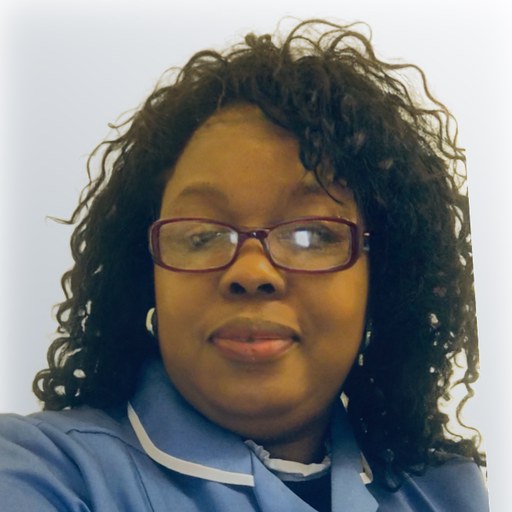


“Primrose is a very kind and compassionate healthcare professional”
“She is an exemplary carer, she is knowledgable empathetic and very respectful in the home.”
Every carer has had an enhanced DBS check in the last 18 months, ID and right-to-work checks and an online interview. Their skills and training are for you to check with them. Carers set their own rates, and who is free changes week to week.