CQC report explained · a residential care home
What the CQC found at Respite Unit for Adults with Learning Disabilities
Rated Good: inspectors found the home performing well and meeting their expectations.
- Safe?
- Good
- Inspectors found that risks, medicines, staffing, recruitment, infection control and incidents were managed safely. People were supported with as much freedom, choice and control as possible.
- Effective?
- Good
- This key question was not inspected during this visit, so no separate rating was given.
- Caring?
- Good
- This key question was not inspected during this visit, so no separate rating was given. The report did say that people received kind and compassionate care.
- Responsive?
- Good
- This key question was not inspected during this visit, so no separate rating was given. Inspectors said staff understood and responded to people's individual needs.
- Well-led?
- Good
- Inspectors found positive leadership, regular audits, staff support and feedback systems. The provider worked with families and other health and social care professionals.
What inspectors found, June 2023
Respite Unit for Adults with Learning Disabilities was rated Good; inspectors found safe, kind care and good leadership.
This was a focused inspection of Safe and Well-led. One inspector visited on 30 May 2023 and the inspection activity ended on 1 June 2023. The inspector spoke with people, relatives, managers and staff, and reviewed care and staff records.
The home provided short-term respite stays for up to five people with learning disabilities and autistic people. All five places were in use. Inspectors found people were safe, treated with kindness and supported by staff who understood their needs.
The home had effective checks for risks, medicines, staffing, recruitment, infection control and incidents. Leaders used audits and feedback to improve the service. The overall rating was Good, which was unchanged from the previous rating published in April 2019.
Safe support
Staff knew people well and understood how to protect them from abuse. Risk assessments covered areas such as medicines, mobility, personal safety outside the home and skin health.
“People were kept safe from avoidable harm because staff knew them well and understood how to protect them from abuse.” from the report
Kind and individual care
Staff understood people's communication, preferences and needs. They supported people to develop independence and enjoy activities during their respite stays.
“People received kind and compassionate care. Staff protected and respected people's privacy and dignity.” from the report
Good medicines and infection controls
Medicines were stored, administered and recorded safely. Inspectors also found the premises clean and hygienic, with suitable infection prevention arrangements.
“Staff kept accurate and complete records of medicines administered during the stay.” from the report
Feedback led to changes
The provider asked people, relatives and staff for feedback and used it to make changes, including improving how menus reflected people's food preferences.
“In response to these, the service had made changes to how they planned menu choices according to what they knew about the food preferences of people who would be staying that week.” from the report
Recent management changes
minorThere had been three managers at the home during the 12 months before the inspection. The current manager's application to register with CQC was still being processed when inspectors visited.
“There had been 3 managers at the service in the 12 months before our inspection.” from the report
- 01How will you provide continuity for people and families after three managers in the previous 12 months?
- 02What is the current position of the manager's application to register with CQC?
- 03How will families be involved in the new online care planning system and relatives' gateway?
- 04What progress has been made with the plans to develop the enclosed garden?
- 05How do you make sure each person's medicines, belongings and care information are checked when they leave a respite stay?
This was a focused inspection of Safe and Well-led; the other key question ratings were carried over from the previous inspection and were not inspected during this visit. This explanation was written from the published report of 21 June 2023 by an AI system and checked against the report text: every quoted line appears in the report. It is a guide to the report, not a substitute for it. Read the full report on cqc.org.uk.
What inspectors found, March 2021
Inspected but not rated; inspectors found good infection-control measures but were not assured people were always tested before admission.
This was an announced, targeted inspection on 10 February 2021 during the coronavirus pandemic. It looked at infection prevention and control in this small respite service, which provides short stays for up to four people.
Inspectors found several good measures. Staff cleaned surfaces carefully, used protective equipment safely, followed distancing rules and had plans for people's usual temperatures and COVID-19 risks. The service usually had one person staying at a time during the pandemic.
However, people were not routinely tested for COVID-19 before their stay at the time of the inspection. The manager changed the admission procedure after the inspection to include routine testing. The service was inspected but not rated, so this report does not give a full overall quality rating.
Temperature checks and risk plans
Care plans recorded people's usual temperature ranges and possible reasons for a raised temperature. Temperatures were checked twice a day.
“People's care plans detailed their usual body temperature range, as well as any triggers which might cause their temperature to increase” from the report
Cleaning arrangements
Staff cleaned important touch points and used a fogging machine after a person's stay. The home also tried to leave a gap before the next person arrived.
“Staff were trained to use a 'fogging' machine to clean the bedroom when the person finished their short stay.” from the report
Social distancing support
Staff maintained distancing and used alternative techniques to support people who had previously valued physical reassurance.
“Where people using the service had previously liked a lot of physical reassurance, for example, by hugging staff, they had been taught techniques to 'self hug'.” from the report
Protective measures
Inspectors were assured that staff used protective equipment safely and that the home had measures to prevent and manage infection outbreaks.
“We were assured that the provider was using PPE effectively and safely.” from the report
Testing before admission
seriousAt the inspection, people were not routinely tested for COVID-19 before their respite stay. This meant inspectors were not assured that admissions were always safe.
“People were not tested routinely for COVID-19 before they stayed at the service.” from the report
Testing arrangements were only partly reliable
needs fixingSome people had not been tested before using the service, although staff were tested three times a week. The report says the admission procedure was changed afterwards.
“We were somewhat assured that the provider was accessing testing for people using the service and staff.” from the report
- 01How does the current admission procedure make sure people are tested before their respite stay?
- 02What happens if the person cannot consent to a COVID-19 test or becomes distressed by it?
- 03How are people's temperature ranges and possible causes of a raised temperature recorded and checked?
- 04How is the bedroom cleaned and how long is it left before another person uses it?
- 05How will the service manage arrangements if two unrelated people need to stay at the same time?
This was a targeted inspection of infection prevention and control during the coronavirus pandemic, and the service was inspected but not rated overall. This explanation was written from the published report of 20 March 2021 by an AI system and checked against the report text: every quoted line appears in the report. It is a guide to the report, not a substitute for it. Read the full report on cqc.org.uk.
Every inspection of Respite Unit for Adults with Learning Disabilities
2 rated inspections over 4 years: the service has held its Good rating throughout.
- June 2023Goodcurrent ratingSafe: GoodEffective: GoodCaring: GoodResponsive: GoodWell-led: Good
Read what inspectors found at Respite Unit for Adults with Learning Disabilities →
- March 2021Inspected but not ratedSafe: Inspected but not rated
Read what inspectors found at Respite Unit for Adults with Learning Disabilities →
- April 2019GoodSafe: GoodWell-led: Good
- July 2018
Registered with the Care Quality Commission on 3 July 2018.
Ratings and report dates from the Care Quality Commission, Open Government Licence v3.0. A home can also be visited without a new rating being published, so the timeline shows published inspections.
Weigh the report against the rest
Fees, photos and reviews from families
How to read CQC ratings and reports
What to check when you visit
46 live-in carers within about an hour of Southampton
These are self-employed carers on PrimeCarers, the introductory agency that runs this directory. Each has a profile with their own rates and reviews from families, and you choose who to talk to.
Most charge £980 to £1,350 a week. 39 can care for a couple. 11 years' experience on average.

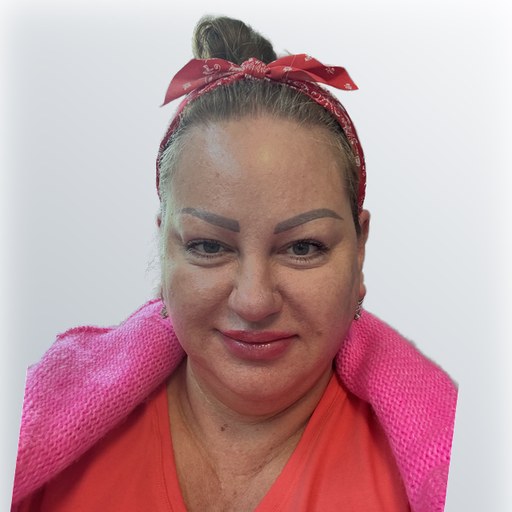


“I cannot recommend Prisca highly enough, she is one in a million.”
“He stayed with her throughout the pandemic, refusing to visit his own family, who lived nearby, to reduce the risk of infection.”
Every carer has had an enhanced DBS check in the last 18 months, ID and right-to-work checks and an online interview. Their skills and training are for you to check with them. Carers set their own rates, and who is free changes week to week.