CQC report explained · a residential care home
What the CQC found at Philiphaugh Manor
Rated Requires improvement: inspectors found the home was not performing as well as it should and told it what to change.
- Safe?
- Requires improvement
- Fire risks, equipment and risk assessments had generally improved. However, medicine records were not accurate or complete, and some incidents had not been recorded or fully audited.
- Effective?
- Requires improvement
- People were supported with food, healthcare and decision-making. Staff training was not regularly updated, and new staff had not been supported to complete the care certificate.
- Caring?
- Good
- The report does not give a separate Caring rating. Inspectors saw staff respond promptly and found that people, relatives and professionals spoke positively about the staff's kindness and support.
- Responsive?
- Requires improvement
- Activities, communication and family visits were supported. However, people were not consistently offered baths or showers in line with their wishes, and care plans lacked clear guidance about some individual needs.
- Well-led?
- Requires improvement
- Management roles had become clearer and some records had improved. The home had no registered manager, and quality assurance systems had not identified continuing problems with care plans, medicines records and other management tools.
What inspectors found, March 2023
Requires Improvement; inspectors found kind and attentive care, but important problems remained with bathing, training, records and medicines.
This was an unannounced inspection to check warning notices from the previous inspection. Inspectors spoke with people, relatives, staff and health professionals. They reviewed care plans, risk assessments, medicines records, staff files and management records.
The home had improved fire safety, risk assessments, equipment and the security of care records. People told inspectors they felt safe, were treated kindly and enjoyed the food. Staff were described as friendly, supportive and responsive.
However, some people were not offered baths or showers often enough. Medicines records were incomplete, staff training was out of date, and care plans did not always explain people's specific needs. Quality checks had not found these problems.
The overall rating was Requires Improvement. Safe, Effective, Responsive and Well-led were all rated Requires Improvement. The home had improved from the previous inspection in some areas, but it was still in breach of regulations.
Improved fire safety
Fire doors were working correctly, extra fire doors had been installed and emergency evacuation plans had been developed.
“Automatic fire door release mechanisms had been recommissioned and no fire doors were propped open during this inspection.” from the report
Safe mobility support
Risks had been reviewed and staff supported people to move safely while encouraging independence.
“Staff supported people to mobilise safely and used equipment appropriately to meet people's needs.” from the report
Kind and responsive staff
People appeared comfortable and staff responded promptly when help was needed. Relatives and professionals also spoke positively about the staff team.
“There was a positive and supportive culture in the service. We saw that staff were attentive and responded promptly and proactively to people's needs.” from the report
Food and mealtimes
People enjoyed the food and were offered choices and alternatives. Staff understood dietary needs and offered drinks regularly.
“People and relatives were complimentary of the food.” from the report
Support with healthcare
The home worked with health and social care professionals and supported people to attend healthcare appointments when needed.
“Records showed people had been supported to access health care services and hospital appointments when required.” from the report
Bathing and showering
seriousPeople were not offered baths or showers regularly enough. Both bathrooms were cold on the inspection day, and one had no heating.
“Bathing records showed people were infrequently offered opportunities to have a bath or a shower.” from the report
Staff training
seriousTraining in areas including fire safety, manual handling, first aid and the Mental Capacity Act was not regularly refreshed. Some new staff used equipment before receiving manual handling training.
“The provider's systems had failed to ensure staff training was regularly updated and staff new to the care sector had not been supported to complete the care certificate.” from the report
Care records and quality checks
seriousSome care plans did not explain how to support specific needs. Quality checks had not identified problems in care plans, medicine records and other management tools.
“The providers recording and quality assurance systems were not entirely effective.” from the report
Medicine records
seriousRecords did not always show when as-required medicines were given or whether they worked. There was also no system to record where medicine patches had been applied, and one prescribed cream had run out.
“Records in relation to medicines had not been accurately and appropriately maintained.” from the report
Staffing pressures
needs fixingThere were four full-time care staff vacancies. The home was keeping occupancy below its maximum because of recruitment difficulties, although inspectors found enough staff for people's needs at the time.
“We are deliberately holding occupancy levels down due to staffing issues” from the report
- 01How do you now make sure each person is offered baths or showers as often as their care plan and preferences require?
- 02Which staff training is now up to date, especially manual handling, first aid, fire safety and the Mental Capacity Act?
- 03How do staff access care plans during shifts, and how do you check that the plans explain each person's specific support needs?
- 04How do you record as-required medicines, their effect, and the application sites for medicine patches?
- 05Who is currently responsible for managing the home while there is no registered manager, and how is the provider checking the quality of care?
This was an unannounced focused inspection to check previous warning notices, with infection prevention and control also reviewed under Safe; the four inspected key questions remained Requires Improvement, and no separate Caring rating was given. This explanation was written from the published report of 10 March 2023 by an AI system and checked against the report text: every quoted line appears in the report. It is a guide to the report, not a substitute for it. Read the full report on cqc.org.uk.
What inspectors found, December 2022
Rated Requires Improvement, with Well-led rated Inadequate; inspectors found repeated safety, medicines, record-keeping and management failures.
This was an unannounced follow-up inspection on 11 July 2022. Inspectors reviewed 10 care plans, 15 medicines records and three staff recruitment files. They also spoke with people, staff, a relative and a healthcare professional.
The home had enough staff on the inspection day, but vacancies meant some staff were working more than 60 hours a week. Medicines were not always available or given as prescribed, records had gaps, and some staff medicines training was overdue. Care plans and risk records were not always kept up to date.
Inspectors found repeated problems from the previous inspection. Fire safety, the building, quality checks and secure storage of confidential records were still concerns. There were also new concerns about consent and the home was moving to electronic records without a clear process.
The overall rating means the home was not consistently meeting people's needs and there was limited assurance about safety. Well-led was rated Inadequate because leaders had not identified or fixed important problems, including issues already raised at the previous inspection.
Kind and responsive staff
People and relatives said staff were kind, nearby and responded when people called. A healthcare professional said there were no concerns.
“People told us they liked living at Philiphaugh and that the staff were caring and responded when they called.” from the report
Activities and contact
Two activity coordinators provided varied activities, including quizzes and games. People were also supported to keep in touch with friends and relatives.
“Two activity co-ordinators were providing varied activities to people.” from the report
Recruitment checks
The recruitment files reviewed contained the relevant checks, including DBS checks.
“Recruitment practices were robust. Staff files showed the relevant checks had been completed including Disclosure and Barring Service (DBS) checks.” from the report
Improved staff support
Staff supervision and appraisals had improved since the last inspection. New staff received an induction and worked alongside an experienced staff member before working alone.
“At this inspection we found improvements in staff supervision, appraisal and training.” from the report
Healthcare partnerships
The home worked with health and social care professionals, and staff reported health concerns when needed.
“The service had established good working relationships with professionals including health and social care professionals to help ensure people's needs were met.” from the report
Medicines not reliably managed
seriousSome medicines were unavailable, records were incomplete and staff could not always show that medicines had been given as prescribed. One person's regular medicine was unavailable for 12 days.
“people were still at risk of not receiving their medicines as prescribed.” from the report
Fire and environmental risks
seriousFire doors were held open, a required fire door had not been fitted, and the gas cooker was faulty. Water pressure and a broken bath lift also affected bathing.
“both doors remained held open and would not have closed in the event of a fire.” from the report
Inaccurate care records
needs fixingSome care plans did not reflect people's current mobility, dressings or health needs. Reviews had stopped, and the change to electronic records left gaps.
“care plans were not always reviewed regularly to help ensure they reflected people's needs at all times.” from the report
Unlawful restriction risk
seriousThe manager's records about Deprivation of Liberty Safeguards were inaccurate, and inspectors found no authorisations in place despite being told one existed.
“This meant that people could be being restricted unlawfully.” from the report
Weak management checks
seriousAudits of medicines, accidents, care plans and monitoring records were not being completed. The provider had not identified or acted on repeated concerns.
“The provider had not learnt from previous concerns and care had not improved.” from the report
Poor condition of premises
needs fixingInspectors found torn, stained and malodorous lounge carpets, malodorous furniture, clutter and an unattractive smoking area. The layout and repeated room numbers could also confuse people.
“carpets in the lounge were torn and badly stained and malodourous throughout the service.” from the report
- 01What has been done to make sure every person receives all their medicines as prescribed, and how are medicine records now checked?
- 02Have the outstanding fire safety actions, including the additional first-floor fire door, been completed?
- 03How are care plans reviewed when people's needs change, and how are staff told about those changes?
- 04What legal authorisations are now in place for people who may be restricted, and how is consent recorded?
- 05Who is responsible for the home's audits, and how will the provider show that repeated concerns have been fixed?
This was an unannounced follow-up inspection covering the overall service and the Safe, Effective, Responsive and Well-led questions; no Caring rating was given in the report. This explanation was written from the published report of 7 December 2022 by an AI system and checked against the report text: every quoted line appears in the report. It is a guide to the report, not a substitute for it. Read the full report on cqc.org.uk.
Every inspection of Philiphaugh Manor
6 rated inspections over 7 years: the service has held its Requires improvement rating throughout.
- March 2023Requires improvementcurrent ratingstayed Requires improvementSafe: Requires improvementEffective: Requires improvementCaring: GoodResponsive: Requires improvementWell-led: Requires improvement
- December 2022Requires improvementstayed Requires improvementSafe: Requires improvementEffective: Requires improvementResponsive: Requires improvementWell-led: Inadequate
- June 2019Requires improvementdown from GoodSafe: Requires improvementEffective: Requires improvementResponsive: Requires improvementWell-led: Requires improvement
- December 2016Goodup from Requires improvementSafe: GoodEffective: GoodCaring: GoodResponsive: GoodWell-led: Good
- June 2016Requires improvementstayed Requires improvementSafe: Requires improvementEffective: Requires improvementCaring: GoodResponsive: Requires improvementWell-led: Requires improvement
- January 2016Requires improvementSafe: Requires improvementEffective: Requires improvementCaring: Requires improvementResponsive: Requires improvementWell-led: Requires improvement
- July 2014
Registered with the Care Quality Commission on 1 July 2014.
Ratings and report dates from the Care Quality Commission, Open Government Licence v3.0. A home can also be visited without a new rating being published, so the timeline shows published inspections.
Weigh the report against the rest
Fees, photos and reviews from families
How to read CQC ratings and reports
What to check when you visit
10 live-in carers within about two hours of Cornwall
These are self-employed carers on PrimeCarers, the introductory agency that runs this directory. Each has a profile with their own rates and reviews from families, and you choose who to talk to.
Most charge £980 to £1,200 a week. 8 can care for a couple. 12 years' experience on average.

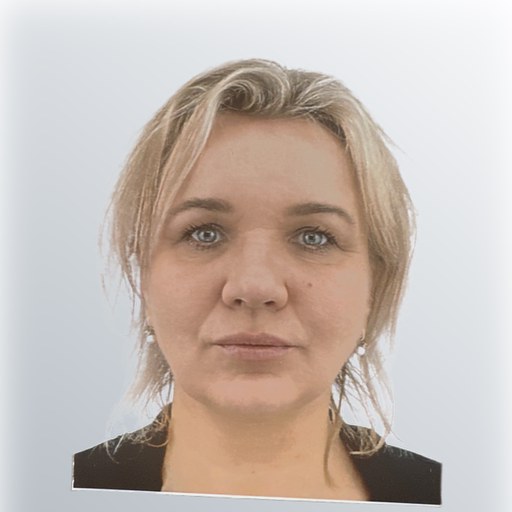


“He had been a little anxious before she arrived, but has since stated that he would be very happy for her to care for him again”
Every carer has had an enhanced DBS check in the last 18 months, ID and right-to-work checks and an online interview. Their skills and training are for you to check with them. Carers set their own rates, and who is free changes week to week.