CQC report explained · a residential care home
What the CQC found at Park House
Rated Good: inspectors found the home performing well and meeting their expectations.
- Safe?
- Good
- People's risks were assessed and staff followed guidance to reduce harm. Medicines were stored securely, records were checked, and staffing and recruitment arrangements were considered safe.
- Effective?
- Good
- Staff had suitable training, induction and supervision. People received support with food, healthcare, communication and decision-making, although some parts of the new dementia wing were not yet complete.
- Caring?
- Good
- People said staff were caring and kind. Inspectors saw staff treat people with dignity, respect their choices and support their independence.
- Responsive?
- Good
- Care plans were developed with people and, where appropriate, relatives. Staff knew people's histories, preferences and communication needs, and people knew how to raise concerns.
- Well-led?
- Good
- The home had an open culture and quality monitoring systems. People, relatives and staff said the management listened to their views and used feedback to improve the service.
What inspectors found, March 2020
Rated Good; inspectors found safe, kind and personalised care, with some work still needed in the new dementia wing and electronic records.
This was a planned, unannounced inspection on 3 and 13 February 2020. Two inspectors spoke with people living in the home, relatives, staff and visiting professionals. They also observed care and checked care, medicine, staff and management records.
The home was rated Good in all five areas: Safe, Effective, Caring, Responsive and Well-led. Inspectors found that people were protected from harm, medicines were handled safely, staff were trained and there were enough staff to meet people's needs.
People described staff as kind and respectful. Care plans included people's choices, backgrounds and preferences. The home had a positive culture and systems to monitor quality. Some parts of the new dementia wing still needed finishing, and handwritten care information was still being moved to a new electronic system.
Safe medicines
Trained staff administered medicines safely. Records were accurate and regularly checked for errors or missing signatures.
“Medicines were stored securely, and the medicine administration records were accurate and regularly checked for any staff signature gaps or errors.” from the report
Kind and respectful care
People reported positive relationships with staff. Inspectors saw staff offer reassurance, respect privacy and support people in a dignified way.
“Staff spoke to people in a kind manner, gave gentle, positive encouragement and involved people in making decisions about their care.” from the report
Personalised support
Care plans recorded people's histories, interests, health needs and preferences. This helped staff provide care suited to each person.
“The care plans had been developed in conjunction with people using the service and, where appropriate, their relatives.” from the report
Good leadership
The management promoted an open culture and used quality checks, surveys and meetings to identify improvements.
“Quality assurance systems helped identify and highlight areas where the service was performing well and the areas for further development.” from the report
New dementia wing not fully finished
needs fixingInspectors identified design and safety points still needing attention before the new area was fully ready. These included handrails, raised flower beds and a fire door.
“Some areas within the new wing required completion and further consideration to better meet the needs of the people who would live there.” from the report
Care records being transferred
minorInformation was still being moved from handwritten records to the new electronic care planning system. Families should check that records are complete and current during this transition.
“At the time of the inspection information from handwritten documentation was in the process of being transferred onto the electronic system.” from the report
- 01Have all the inspectors' points about the new dementia wing, including the fire door, handrails and raised flower beds, now been completed?
- 02Has all information been transferred from handwritten care records to the electronic system, and how was its accuracy checked?
- 03How will you assess whether staffing numbers remain sufficient if the home increases from 23 people towards its capacity of 35?
- 04How will my relative and our family be involved in creating and reviewing their care plan?
- 05How are people's medicines and any changes in their health monitored and communicated to families?
This was an unannounced inspection covering all five CQC questions, including both the premises and the care provided; the previous ratings were also reviewed and remained Good. This explanation was written from the published report of 17 March 2020 by an AI system and checked against the report text: every quoted line appears in the report. It is a guide to the report, not a substitute for it. Read the full report on cqc.org.uk.
What inspectors found, August 2017
Rated Good; inspectors found safe, kind and personalised care, with effective leadership and no major shortfalls reported.
Inspectors visited without notice on 14 July 2017. They spoke with people living in the home, relatives, staff and the provider. They also checked care records, staff recruitment files, medicines arrangements, training and quality checks.
People were found to be safe. There were enough staff, medicines were managed safely, and staff knew how to respond to safeguarding concerns. People received support with eating, drinking, health needs and daily choices.
Inspectors found caring relationships and respectful support. Care plans reflected people's needs and preferences, and people could take part in activities or choose where to spend their time. The complaints process was clear.
The home was rated Good in all five areas: safe, effective, caring, responsive and well-led. This was the same overall rating as at the previous inspection in April 2015.
Safe staffing and medicines
Inspectors found enough staff to respond to people's needs. Medicines systems were understood and followed.
“People received their medicines when they should.” from the report
Kind and respectful care
Staff built positive relationships and supported people calmly, respectfully and with compassion.
“People developed positive relationships with staff and were treated with compassion and respect.” from the report
Personalised support
Care plans reflected individual needs and preferences. Staff knew people's backgrounds and supported their choices.
“Detailed care plans had been developed in conjunction with people living in the home and where appropriate their relatives.” from the report
Good leadership
The provider was visible in the home and inspectors found an open culture, supportive management and quality monitoring.
“The service had a positive ethos and an open culture.” from the report
Inspectors raised no specific concerns in this report.
- 01How was the electronic care planning system introduced, and how do you make sure information about each person's needs stays accurate?
- 02How do you check that staffing levels continue to meet people's needs at different times of day?
- 03How do you monitor people's eating and drinking, and how quickly can you involve dieticians or speech and language therapists?
- 04How are medicines staff trained and checked as competent before they administer medicines?
- 05How are complaints and feedback from people and relatives reviewed and used to make improvements?
This was an unannounced inspection covering all five CQC questions and the overall quality rating; the report says the previous overall rating in April 2015 was also Good. This explanation was written from the published report of 12 August 2017 by an AI system and checked against the report text: every quoted line appears in the report. It is a guide to the report, not a substitute for it. Read the full report on cqc.org.uk.
Every inspection of Park House
3 rated inspections over 5 years: the service has held its Good rating throughout.
- March 2020Goodcurrent ratingstayed GoodSafe: GoodEffective: GoodCaring: GoodResponsive: GoodWell-led: Good
- August 2017Goodstayed GoodSafe: GoodEffective: GoodCaring: GoodResponsive: GoodWell-led: Good
- June 2015GoodSafe: GoodEffective: GoodCaring: GoodResponsive: GoodWell-led: Good
- March 2014
Registered with the Care Quality Commission on 14 March 2014.
Ratings and report dates from the Care Quality Commission, Open Government Licence v3.0. A home can also be visited without a new rating being published, so the timeline shows published inspections.
Weigh the report against the rest
Fees, photos and reviews from families
How to read CQC ratings and reports
What to check when you visit
At least 100 live-in carers within about an hour of Milton Keynes
These are self-employed carers on PrimeCarers, the introductory agency that runs this directory. Each has a profile with their own rates and reviews from families, and you choose who to talk to.
Most charge £980 to £1,260 a week. 90 can care for a couple. 11 years' experience on average.

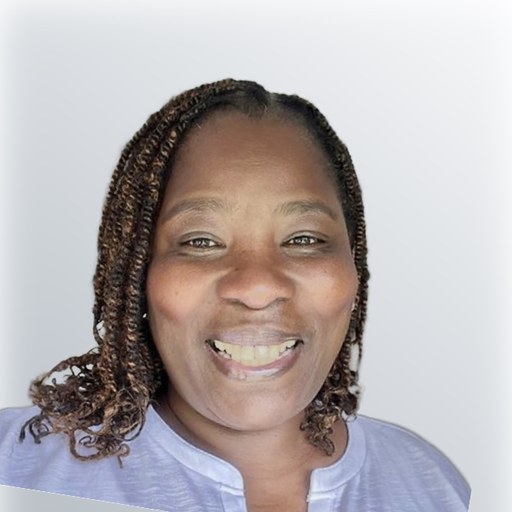
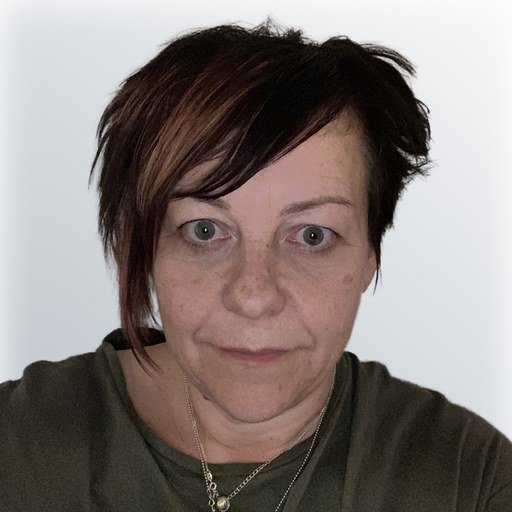

“We can all fully relax around Nyarai and she feels like part of our family, which is no mean feat!”
“She was v competent and confident and we felt our mum was safe in her care. She supported us through a difficult time.”
Every carer has had an enhanced DBS check in the last 18 months, ID and right-to-work checks and an online interview. Their skills and training are for you to check with them. Carers set their own rates, and who is free changes week to week.