CQC report explained · a residential care home
What the CQC found at Oakley Lodge
Rated Good: inspectors found the home performing well and meeting their expectations.
- Safe?
- Good
- Risks were assessed and reviewed. Inspectors found enough suitable staff, safe medicines administration, appropriate safeguarding procedures and good infection control.
- Effective?
- Good
- Staff had training for people's individual and complex needs. People received support with nutrition and health care, and referrals were made promptly when needs changed.
- Caring?
- Good
- Staff were kind, compassionate and respectful. Inspectors saw people being supported with dignity, privacy, choice and independence.
- Responsive?
- Good
- Care plans were detailed and personalised. People were supported with activities, communication, relationships and complaints in ways suited to their needs.
- Well-led?
- Good
- The home was managed by a registered manager who was visible and supportive. Audits, feedback and action plans were used to monitor and improve care.
What inspectors found, April 2018
Rated Good; inspectors found safe, kind and personalised care, with strong management and no legal breaches reported.
This was an unannounced, comprehensive inspection on 6 and 7 February 2018. Inspectors spoke with people, relatives, staff and health professionals. They observed care, checked records and reviewed staffing, medicines, training, complaints and quality checks.
All five areas were rated Good: Safe, Effective, Caring, Responsive and Well-led. Inspectors found enough trained staff, safe medicines management, regular health support and care plans that reflected people's needs and choices.
People were treated with kindness and respect. Staff supported independence, activities, friendships and family contact. The home had a welcoming atmosphere, and managers acted on concerns and used checks to improve the service.
This was the first inspection of the service. A Good rating means the inspectors found the service met the relevant requirements and provided a good standard of care at the time of the inspection.
Safe support
Staff understood people's risks and how to respond to behaviours that might challenge others. Inspectors saw timely and sensitive support that protected dignity and safety.
“Risks to people associated with their behaviours were managed safely.” from the report
Skilled staff
Staff completed general and specialist training, including training for autism, learning disability, epilepsy and positive behaviour support. New staff were supported before working alone with people with complex needs.
“This ensured staff understood how to meet people's support and care needs.” from the report
Kind relationships
Staff developed trusting relationships and gave people emotional support. The home had a friendly, inclusive atmosphere.
“People experienced good continuity and consistency of care from staff who were kind and compassionate.” from the report
Choice and independence
People were encouraged to make their own decisions and do as much as possible for themselves. Staff adapted plans when people's choices changed.
“People were empowered to make choices and have as much control and independence as possible.” from the report
Personalised activities
People were supported to take part in activities linked to their interests, health and goals. This included education, work opportunities, community activities and maintaining relationships.
“People were supported to complete stimulating activities of their choice, which had a positive impact on their well-being.” from the report
Communication about visits
minorOne relative said communication about visits had not always been effective. The manager created an action plan and discussed the issue with staff.
“One relative told us they had complained that the registered manager and staff had not always communicated with them effectively in relation to their visits.” from the report
End of life discussions
minorNo one needed end of life care during the inspection. People had not wanted to discuss these wishes at their reviews, and the manager planned to raise the subject again.
“As part of the registered manager's service improvement plans they demonstrated their intention to address people's wishes with them again during their next care plan review.” from the report
- 01How will you keep our relative and family informed about visits and any changes to arrangements?
- 02How will you assess and manage our relative's specific risks, including any behaviours that may challenge others?
- 03What specialist training will the staff supporting our relative have, and how will you check their skills?
- 04How will you support our relative to communicate choices and take part in activities they enjoy?
- 05How and when will you discuss and record our relative's end of life wishes if their needs change?
This was the home's first, unannounced comprehensive inspection and covered all five key questions, including the care provided and the premises. This explanation was written from the published report of 6 April 2018 by an AI system and checked against the report text: every quoted line appears in the report. It is a guide to the report, not a substitute for it. Read the full report on cqc.org.uk.
Every inspection of Oakley Lodge
Each visit the CQC has published, newest first, back to the day the home was registered.
- April 2018Goodcurrent ratingSafe: GoodEffective: GoodCaring: GoodResponsive: GoodWell-led: Good
- September 2016
Registered with the Care Quality Commission on 30 September 2016.
Ratings and report dates from the Care Quality Commission, Open Government Licence v3.0. A home can also be visited without a new rating being published, so the timeline shows published inspections.
Weigh the report against the rest
Fees, photos and reviews from families
How to read CQC ratings and reports
What to check when you visit
26 live-in carers within about an hour of Hampshire
These are self-employed carers on PrimeCarers, the introductory agency that runs this directory. Each has a profile with their own rates and reviews from families, and you choose who to talk to.
Most charge £1,020 to £1,260 a week. 23 can care for a couple. 14 years' experience on average.
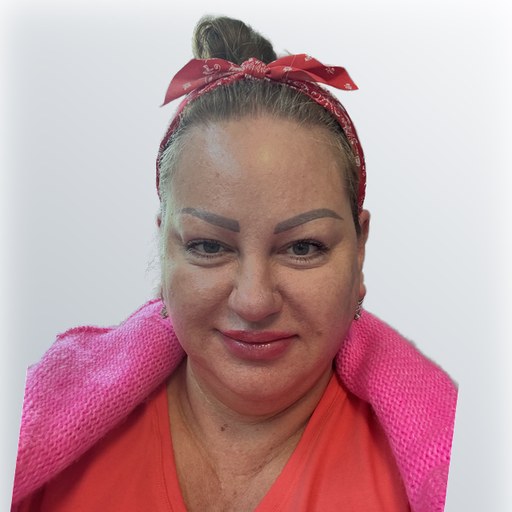



“I cannot recommend Prisca highly enough, she is one in a million.”
“He stayed with her throughout the pandemic, refusing to visit his own family, who lived nearby, to reduce the risk of infection.”
Every carer has had an enhanced DBS check in the last 18 months, ID and right-to-work checks and an online interview. Their skills and training are for you to check with them. Carers set their own rates, and who is free changes week to week.