CQC report explained · a residential care home
What the CQC found at New Willow House
Rated Good: inspectors found the home performing well and meeting their expectations.
- Safe?
- Good
- Inspectors were assured about infection prevention, testing, cleaning, visiting arrangements and safe admissions. One PPE donning station was unsuitable for infection control and was due to be changed.
- Effective?
- Good
- This question was not assessed in this targeted inspection.
- Caring?
- Good
- This question was not assessed in this targeted inspection.
- Responsive?
- Good
- This question was not assessed in this targeted inspection.
- Well-led?
- Good
- This question was not assessed in this targeted inspection.
What inspectors found, February 2022
New Willow House was inspected but not rated; inspectors found good infection control, with one unsuitable PPE area to put right.
This was a targeted, announced inspection on 9 February 2022. It looked at infection prevention and control during the COVID-19 pandemic, visiting arrangements and staffing pressures. It did not assess the service against all five quality areas.
Inspectors found updated infection control policies, trained staff using the correct protective equipment, regular cleaning and infection control checks. Visiting arrangements included lateral flow testing and protective equipment for visitors.
One area used for putting on protective equipment was not suitable for infection control. The registered manager agreed to move it. The service was inspected but not rated, so this report does not give an overall judgement about the quality of care.
Infection control policies
The home had updated its infection control policies and staff had completed relevant training.
“The service had updated their policies and procedures to ensure infection prevention and control (IPC) processes were robust.” from the report
Clean environment
Inspectors found the home clean and hygienic, with cleaning products, schedules and regular checks in place.
“The service was clean and hygienic throughout. Staff had access to cleaning products and cleaning schedules were in place.” from the report
Visiting arrangements
The home had arrangements to reduce the risk of visitors catching or spreading infection, including testing and protective equipment.
“There were robust visiting protocols in place to ensure the provider was preventing visitors from catching and spreading infections.” from the report
Unsuitable PPE area
minorOne area for putting on protective equipment was not suitable for infection control. The registered manager agreed to change it.
“one of the donning stations was not suitable for infection control.” from the report
- 01What change was made to the PPE donning station that inspectors found unsuitable?
- 02How are staff and visitors currently tested for COVID-19 and provided with protective equipment?
- 03What arrangements are currently in place for visiting and preventing infection outbreaks?
- 04What was the outcome of the most recent full inspection, including ratings for care planning, medicines and staffing?
- 05How are staffing pressures monitored, and what happens if COVID-19 affects staffing levels?
This was a targeted inspection of infection prevention and control, visiting arrangements and COVID-19-related staffing pressures; it did not assess all five quality questions and the service was not rated. This explanation was written from the published report of 23 February 2022 by an AI system and checked against the report text: every quoted line appears in the report. It is a guide to the report, not a substitute for it. Read the full report on cqc.org.uk.
What inspectors found, April 2018
Rated Good; inspectors found safe, kind and personalised respite care across all five areas.
The home provides short stay respite care for adults with a learning disability. This was its first rated inspection since registering with the CQC in 2016.
The inspection was announced and took place on 21 February 2018. One inspector spoke with relatives, staff, managers and professional visitors. They also reviewed care plans, staff records, training records, audits and other documents. Inspectors could not speak directly with people using the home because of their complex needs.
Inspectors found the home safe, effective, caring, responsive and well-led. They found trained staff, safe medicines systems, detailed care plans, respectful support, suitable activities and regular checks on the quality of care.
Protection from harm
The home had safeguarding procedures, trained staff and risk assessments covering areas such as epilepsy, mobility and community access.
“There were systems and processes in place to protect people from harm.” from the report
Kind and respectful care
Inspectors saw staff being patient, unhurried and respectful. Staff understood people's personal preferences and communication needs.
“We saw people were treated with kindness, care and dignity and had a relaxed and easy relationship with the staff members who clearly knew them well.” from the report
Personalised support
Care plans covered individual needs, including communication, mobility, nutrition and health. People and relatives were involved in planning care.
“Care was completely personalised to each person that used the service, and people and their relatives were fully involved in their care.” from the report
Quality checks
Managers carried out audits covering areas such as medicines, health and safety, food safety, premises and people's wellbeing. Action plans were used when improvements were needed.
“Effective quality assurance audits were in place to monitor the service.” from the report
Inspectors raised no specific concerns in this report.
- 01How will you learn and record my relative's communication methods, preferences and signs of distress before their first stay?
- 02How will you make sure my relative's medicines are recorded, stored and administered safely during each respite stay?
- 03What staffing arrangements will be in place if my relative wants to take part in activities outside the home?
- 04How will you contact us about changes in health, incidents or concerns during the stay?
- 05How often will my relative's care plan and risk assessments be reviewed if their needs change?
This was an announced comprehensive inspection covering all five key questions, but inspectors could not speak directly with people using the home because of their complex needs. This explanation was written from the published report of 26 April 2018 by an AI system and checked against the report text: every quoted line appears in the report. It is a guide to the report, not a substitute for it. Read the full report on cqc.org.uk.
Every inspection of New Willow House
Each visit the CQC has published, newest first, back to the day the home was registered.
- February 2022Inspected but not ratedcurrent ratingSafe: Inspected but not rated
- April 2018GoodSafe: GoodEffective: GoodCaring: GoodResponsive: GoodWell-led: Good
- November 2016
Registered with the Care Quality Commission on 18 November 2016.
Ratings and report dates from the Care Quality Commission, Open Government Licence v3.0. A home can also be visited without a new rating being published, so the timeline shows published inspections.
Weigh the report against the rest
Fees, photos and reviews from families
How to read CQC ratings and reports
What to check when you visit
At least 100 live-in carers within about an hour of Oldham
These are self-employed carers on PrimeCarers, the introductory agency that runs this directory. Each has a profile with their own rates and reviews from families, and you choose who to talk to.
Most charge £980 to £1,260 a week. 92 can care for a couple. 10 years' experience on average.
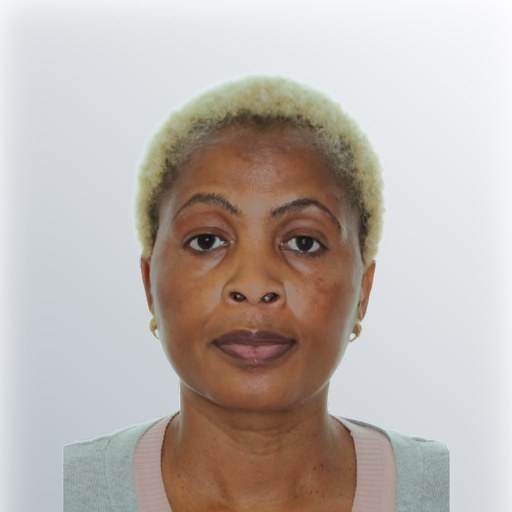



“Primrose is a very kind and compassionate healthcare professional”
Every carer has had an enhanced DBS check in the last 18 months, ID and right-to-work checks and an online interview. Their skills and training are for you to check with them. Carers set their own rates, and who is free changes week to week.