CQC report explained · a nursing home
What the CQC found at Mary Rose Manor
Rated Good: inspectors found the home performing well and meeting their expectations.
- Safe?
- Good
- People told inspectors they felt safe. Risks such as falls, choking, medicines and skin care were assessed, and there were processes for safeguarding, incident reviews and safe medicines management.
- Effective?
- Good
- Care was based on current guidance, and staff received training, supervision and professional development. People were supported with nutrition, hydration, healthcare and decisions about their care.
- Caring?
- Good
- Staff treated people with kindness, patience, respect and compassion. People were offered choices, and staff promoted privacy, dignity and independence.
- Responsive?
- Good
- Care plans covered people's physical, mental, emotional and social needs. People had activities, support to maintain friendships and interests, accessible information and end-of-life care planning.
- Well-led?
- Good
- Inspectors found an experienced manager, clear responsibilities and a comprehensive audit programme. The home sought people's views and used incident monitoring and feedback to identify improvements.
What inspectors found, January 2019
Rated Good; inspectors found safe, kind and personalised care, with a minor recruitment-record gap corrected promptly.
This was an unannounced comprehensive inspection on 17 December 2018. Inspectors spoke with people living at the home, relatives, staff and visiting professionals. They reviewed care plans, staff recruitment records, staffing information and management records.
The home was rated Good overall and Good in all five areas: Safe, Effective, Caring, Responsive and Well-led. Inspectors found people were protected from abuse, risks were assessed, medicines were managed safely and there were enough suitable staff.
Inspectors also found kind and respectful care, support with food, drink and healthcare, personalised care plans, activities and a positive management culture. Five staff records initially lacked a full employment history, but the manager acted promptly and the information was obtained after the inspection.
Safe care
The home had systems to protect people from abuse and manage individual risks. Staff understood the risks affecting each person and knew what to report.
“People were protected from the risk of harm and abuse.” from the report
Personalised care
Care plans reflected people's physical, emotional and social needs, including their histories, preferences and communication needs.
“People had comprehensive and holistic care plans that identified and addressed their physical, mental, emotional and social needs.” from the report
Food and healthcare
People were offered choices and suitable diets, including fortified food and extra snacks where needed. Staff monitored health and made referrals when necessary.
“People were supported by staff to eat and drink sufficient for their needs.” from the report
Activities and relationships
People had activities and were supported to maintain friendships and pursue interests, including going out into the community where they could.
“People were supported to maintain friendships and pursue their interests.” from the report
Management oversight
The home had clear responsibilities, regular audits and systems for learning from incidents and people's feedback.
“There was a clear governance framework in place and staff at all levels understood their roles and responsibilities.” from the report
Incomplete employment histories
minorTwo of the five staff files reviewed did not initially contain a full employment history. The manager identified three more staff with the same gap and obtained the missing information after the inspection.
“Two staff whose files we reviewed had not provided a full employment history.” from the report
- 01How do you check that every staff file contains a full employment history before the person starts work?
- 02How would you manage my relative's specific risks, such as falls, choking, weight loss or skin problems?
- 03How would you support my relative's communication needs, preferences, independence and activities?
- 04How are families involved in care planning and decisions about treatment?
- 05How would you provide end-of-life care and make sure my relative's wishes are followed?
This was an unannounced comprehensive inspection covering all five CQC questions; the previous inspection in January 2017 also rated the service Good. This explanation was written from the published report of 12 January 2019 by an AI system and checked against the report text: every quoted line appears in the report. It is a guide to the report, not a substitute for it. Read the full report on cqc.org.uk.
What inspectors found, February 2017
Rated Good; inspectors found safe, kind and personalised care, with some care records and as-needed medicines guidance still being improved.
This was an unannounced inspection of the nursing home. Inspectors observed care, spoke with people living there, relatives, staff and health professionals, and checked care plans, medicines records, recruitment files, complaints and quality checks.
The home was rated Good overall and Good in all five areas: Safe, Effective, Caring, Responsive and Well-led. Inspectors found enough staff, safe medicine administration, suitable training, respectful care, suitable activities and strong management oversight.
There were some areas still being improved. Epilepsy risks were not always included in care plans. Records did not always show why as-needed medicines were given or whether they worked. Incident records did not always clearly show what had been done to prevent a repeat. A new key worker system also needed more time to become fully established.
Kind and dignified care
Staff knew people well and supported them patiently. Inspectors saw privacy, dignity and personal choices being respected.
“People's privacy and dignity was maintained and staff were caring and considerate as they supported people.” from the report
Personalised care
Care plans included people's preferences, history and health needs. Staff understood how to support independence and respond to changing needs.
“Care plans gave clear information for staff on how to meet the needs of people in a person centred and individualised way” from the report
Strong management oversight
The manager was visible and encouraged people, relatives and staff to raise concerns. Audits created action plans for improvements.
“The registered manager was very visible in the service and provided strong and effective leadership.” from the report
Safe medicines processes
Medicines were stored and administered safely, and inspectors found no gaps in the main medicines administration records. The home was working to improve guidance for medicines given only when needed.
“Medicines were administered, stored and ordered in a safe and effective way” from the report
Epilepsy plans
needs fixingCare plans for people with epilepsy did not always explain the risks linked to the condition. The manager said these plans would be updated.
“However, for people who lived with epilepsy care plans were not always informed of the risks associated with this condition.” from the report
As-needed medicines
needs fixingSome records did not explain why an as-needed medicine was given or whether it worked. Clear protocols were not always in place, although an improvement plan was under way.
“There were not always clear protocols in place for staff to follow in the administration of these medicines.” from the report
Learning from incidents
needs fixingIncident and accident records did not always make clear what action had been taken to prevent the event happening again or how patterns were reviewed.
“It was not always clear what actions had been taken to prevent a recurrence of the incident, or to review patterns and trends in these events.” from the report
Key worker system still developing
minorA new system was intended to improve continuity and coordination of care, but inspectors said it needed further embedding in the home.
“The registered manager told us they had recently introduced a key worker system to provide additional support for people although this work needed further embedding in the home.” from the report
- 01Have all epilepsy care plans been updated to describe the risks and the support each person needs?
- 02What protocols now guide staff when giving as-needed medicines, and how is their effect recorded?
- 03How do you check that incident records show actions taken to prevent similar events?
- 04How fully is the key worker system now operating, and how does it improve continuity of care?
- 05What dementia-friendly activities are currently available for people who need more support to take part?
This was an unannounced inspection of the whole service and was the home's first CQC inspection since it registered in November 2015. This explanation was written from the published report of 18 February 2017 by an AI system and checked against the report text: every quoted line appears in the report. It is a guide to the report, not a substitute for it. Read the full report on cqc.org.uk.
Every inspection of Mary Rose Manor
2 rated inspections over 2 years: the service has held its Good rating throughout.
- January 2019Goodcurrent ratingstayed GoodSafe: GoodEffective: GoodCaring: GoodResponsive: GoodWell-led: Good
- February 2017GoodSafe: GoodEffective: GoodCaring: GoodResponsive: GoodWell-led: Good
- November 2015
Registered with the Care Quality Commission on 10 November 2015.
Ratings and report dates from the Care Quality Commission, Open Government Licence v3.0. A home can also be visited without a new rating being published, so the timeline shows published inspections.
Weigh the report against the rest
Fees, photos and reviews from families
How to read CQC ratings and reports
What to check when you visit
47 live-in carers within about an hour of Portsmouth
These are self-employed carers on PrimeCarers, the introductory agency that runs this directory. Each has a profile with their own rates and reviews from families, and you choose who to talk to.
Most charge £1,020 to £1,240 a week. 38 can care for a couple. 10 years' experience on average.


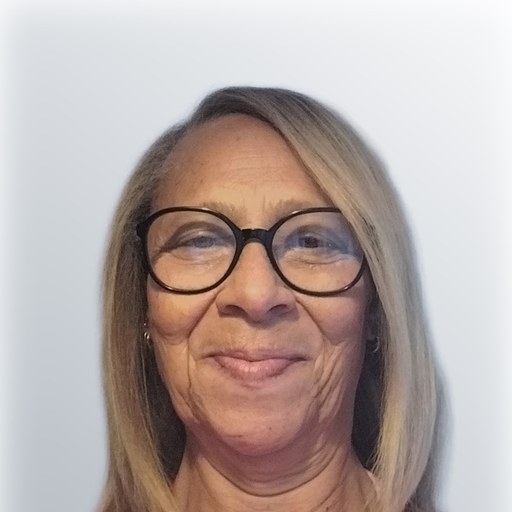

“I cannot recommend Prisca highly enough, she is one in a million.”
“He stayed with her throughout the pandemic, refusing to visit his own family, who lived nearby, to reduce the risk of infection.”
Every carer has had an enhanced DBS check in the last 18 months, ID and right-to-work checks and an online interview. Their skills and training are for you to check with them. Carers set their own rates, and who is free changes week to week.