CQC report explained · a residential care home
What the CQC found at Lowry House
Rated Good: inspectors found the home performing well and meeting their expectations.
- Safe?
- Good
- People were protected from abuse and avoidable harm. Inspectors found suitable risk assessments, enough staff, safe medicines systems and a clean environment.
- Effective?
- Good
- People had regularly reviewed assessments and were involved in planning their care. Staff were trained, people were supported with eating and drinking, and healthcare needs were acted on.
- Caring?
- Good
- Staff treated people with kindness, dignity and respect. People were supported to express their identity, make everyday choices and develop independence.
- Responsive?
- Outstanding
- Support was highly individual and helped people achieve goals that had previously seemed difficult. People were supported with communication, family relationships, community activities and complaints.
- Well-led?
- Good
- Inspectors found supportive management, good teamwork and systems for learning from incidents, complaints and feedback. Staff understood their roles and felt able to raise concerns.
What inspectors found, February 2020
Lowry House was rated Good; inspectors found exceptionally personalised support, with Responsive rated Outstanding.
The inspection took place unannounced on 11 and 17 December 2019. The inspector spoke with five people, relatives and 14 staff, and reviewed care, medicines, recruitment and management records. Four units and the environment were also visited.
People were found to be safe, well cared for and supported by trained staff. Medicines were stored safely, staffing levels were sufficient, and people were helped to access healthcare, make choices and develop their independence.
The strongest area was Responsive, which improved from Good to Outstanding since the previous inspection. The home was praised for helping people work towards personal goals, maintain relationships and take part in activities. The overall rating and the other four areas remained Good.
Personal goals
Staff helped people work towards lifelong aspirations in manageable steps. This included greater independence, employment and activities that people had not previously thought possible.
“People's care records demonstrated how staff had worked with people's complex health and behavioural needs to overcome these and enable people to fulfil lifelong aspirations.” from the report
Family involvement
People and relatives were involved in care planning and reviews. Staff supported regular family contact, including visits to relatives' homes.
“People and relatives told us they were completely involved in developing their care plans and these were regularly reviewed.” from the report
Communication support
The home used different communication methods and accessible formats to help people understand information and express their needs.
“The home used a wide variety of tools to meet people's communication needs.” from the report
Safe medicines
Medicines were stored safely and administration records were accurate. Guidance was available for medicines taken only when needed, and some people were supported to take their own medicines.
“Medicines were safely stored, and accurate records of administration kept.” from the report
Supportive leadership
Inspectors found a positive culture and staff who felt supported by the management team. The home used audits, meetings and reviews to improve care.
“The service had a positive culture and staff worked together as a team.” from the report
Size of the home
minorThe home was larger than current best practice guidance for this type of service. Inspectors said the separate flats and small living groups reduced the negative impact, but families should see whether the layout suits their relative.
“The service was a large home, bigger than most domestic style properties.” from the report
- 01How would you support my relative's own goals, including independence, work or community activities?
- 02Which communication methods and accessible formats would you use for my relative?
- 03How would you decide whether my relative should live independently or in a small group?
- 04How would you support my relative with medicines, including medicines taken only when needed or self-medication?
- 05How would you involve our family in care planning, reviews and visits home?
This was an unannounced inspection of all five CQC question areas, including both the care provided and the premises. This explanation was written from the published report of 4 February 2020 by an AI system and checked against the report text: every quoted line appears in the report. It is a guide to the report, not a substitute for it. Read the full report on cqc.org.uk.
What inspectors found, June 2017
Lowry House was rated Good; inspectors found safe, kind and personalised care with strong management oversight.
This was the first comprehensive inspection of the home. It took place on 3 and 4 May 2017, with the first day unannounced. One inspector spoke with staff and a person living at the home, reviewed care and staff records, checked medicines and looked around the building.
The inspectors found that all five areas were rated Good: Safe, Effective, Caring, Responsive and Well-led. People said they felt safe and were happy with their care. Staff understood people's complex needs, and care plans gave clear guidance about routines, communication and behaviour.
The home had enough staff for people's assessed needs. Medicines were well managed, the building was clean and maintained, and staff received training and supervision. People were supported with food, healthcare, activities, family contact, communication and complaints.
The inspection did not identify any breaches of regulations or enforcement action. As this was the first inspection, there was no earlier rating to compare with.
People felt safe
People told inspectors they were happy with their care and felt safe. Staff knew how to recognise and report abuse or unsafe care.
“People living in the home told us they were happy with their care and liked the staff that supported them and felt safe when care and support was being delivered.” from the report
Detailed care plans
Care plans gave staff clear instructions about people's routines, communication and changing behaviours. They also supported dignity, choice and independence.
“Care plans were detailed and provided staff with clear advice on how best to support people to maintain their daily and night time routines, including how staff should respond to people's changing behaviours.” from the report
Kind and respectful support
Inspectors saw staff supporting people at their own pace and encouraging independence. Staff knew people's likes, preferences and support needs.
“We saw staff respond to people in a caring, kind and compassionate manner and we saw people and staff enjoying a joke and laughing together, which created a warm and relaxed atmosphere.” from the report
Good management checks
Managers carried out monthly audits covering care, medicines and the environment. Where problems were found, the report says they were dealt with quickly.
“Where any shortfalls had been identified, these had been quickly addressed with information included to detail any lessons learned.” from the report
Inspectors raised no specific concerns in this report.
- 01How are the seven newly appointed staff who were in induction at the inspection now supported and supervised?
- 02How do you make sure staffing levels still match each person's assessed needs, including when people attend activities or appointments?
- 03How often are each person's care plan and risk assessments reviewed, and how are the person and family involved?
- 04How do staff record and review any restraint or incidents involving behaviour that challenges?
- 05How can the person and their family raise a complaint, and how will they be told about the outcome?
This was the first comprehensive inspection, covering all five questions and the overall quality of the home; the first day was unannounced. This explanation was written from the published report of 16 June 2017 by an AI system and checked against the report text: every quoted line appears in the report. It is a guide to the report, not a substitute for it. Read the full report on cqc.org.uk.
Every inspection of Lowry House
2 rated inspections over 3 years: the service has held its Good rating throughout.
- February 2020Goodcurrent ratingstayed GoodSafe: GoodEffective: GoodCaring: GoodResponsive: OutstandingWell-led: Good
- June 2017GoodSafe: GoodEffective: GoodCaring: GoodResponsive: GoodWell-led: Good
- November 2016
Registered with the Care Quality Commission on 2 November 2016.
Ratings and report dates from the Care Quality Commission, Open Government Licence v3.0. A home can also be visited without a new rating being published, so the timeline shows published inspections.
Weigh the report against the rest
Fees, photos and reviews from families
How to read CQC ratings and reports
What to check when you visit
At least 100 live-in carers within about an hour of Tameside
These are self-employed carers on PrimeCarers, the introductory agency that runs this directory. Each has a profile with their own rates and reviews from families, and you choose who to talk to.
Most charge £980 to £1,260 a week. 90 can care for a couple. 10 years' experience on average.



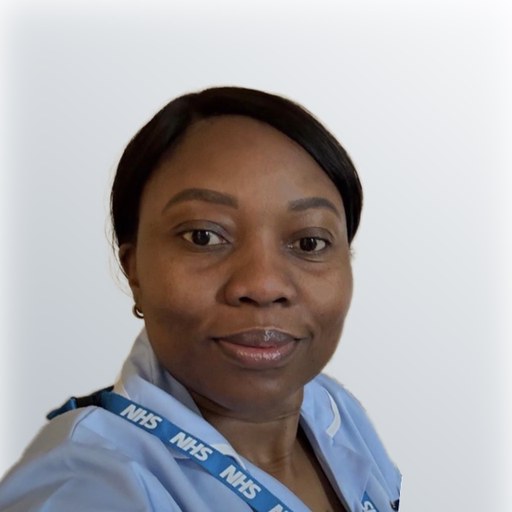
“Primrose is a very kind and compassionate healthcare professional”
Every carer has had an enhanced DBS check in the last 18 months, ID and right-to-work checks and an online interview. Their skills and training are for you to check with them. Carers set their own rates, and who is free changes week to week.