CQC report explained · a residential care home
What the CQC found at Little Bramingham Farm Residential Care Home
Rated Outstanding: inspectors found the home performing exceptionally well.
- Safe?
- Good
- Inspectors were assured that the home used safe infection prevention measures, including PPE, testing, hygiene and arrangements for preventing and managing outbreaks. The provider also said it had measures to reduce the effects of COVID-19-related staffing pressures.
- Effective?
- Good
- Does the care work? Training, consent, food and drink, working with GPs and nurses.
- Caring?
- Outstanding
- Are people treated with kindness and dignity?
- Responsive?
- Outstanding
- Is care built around the person? Care plans, activities, complaints.
- Well-led?
- Outstanding
- Is the home run well? The manager, the culture, how problems get found and fixed.
What inspectors found, March 2022
Little Bramingham Farm Residential Care Home was inspected but not rated; inspectors found strong infection control and safe visiting arrangements.
This was an announced, targeted inspection on 21 February 2022. Inspectors looked at infection prevention and control, visiting arrangements and whether COVID-19 staffing pressures affected people.
The home had checks for visitors, including screening questions, testing and vaccination checks for visiting professionals. Inspectors were assured that PPE, testing, social distancing, hygiene and outbreak arrangements were being used safely.
People had named essential care givers and could keep in touch with relatives through visits, phones and social media. The inspection was not given a rating, so it does not provide an overall judgement on the quality of care.
Infection control
Inspectors were assured that the home was using PPE, testing, hygiene and social distancing measures safely. Its infection prevention and control policy was up to date.
“We were assured that the provider was using PPE effectively and safely.” from the report
Safe visiting
The home checked visitors and recorded the results. People could meet relatives in bedrooms or in a visitors' cabin, and could also use phones and social media to stay connected.
“The provider had safe systems in place for ensuring different types of visits could take place.” from the report
Support from essential care givers
Each person had a named essential care giver. These people took part in weekly testing and continued to support residents during outbreaks.
“Each person had a named essential care giver.” from the report
Personalised decision-making
People who could not consent to testing, vaccination or visiting restrictions had mental capacity assessments and were supported with their decisions.
“Each person had individual risk assessments about COVID-19.” from the report
Inspectors raised no specific concerns in this report.
- 01What infection prevention, testing and PPE arrangements are in place now?
- 02How can relatives visit, and are visits still available in bedrooms or a separate visitors' area?
- 03How are people supported to keep in touch with relatives when face-to-face visits are not possible?
- 04How are current staffing pressures affecting the people living in the home?
- 05How are decisions about testing, vaccination and visiting restrictions made for people who cannot consent?
This was a targeted inspection of infection prevention and control, visiting arrangements and COVID-19-related staffing pressures; it was not a full inspection and the service was not rated. This explanation was written from the published report of 3 March 2022 by an AI system and checked against the report text: every quoted line appears in the report. It is a guide to the report, not a substitute for it. Read the full report on cqc.org.uk.
What inspectors found, December 2020
Inspected but not rated; inspectors found good infection control practices, with some resources suggested to develop the home's approach.
This was an announced inspection on 29 October 2020. It was part of a CQC thematic review of infection prevention and control in care homes during the coronavirus pandemic.
Inspectors found the home was clean and had safe processes for people entering. Staff used personal protective equipment and recorded their temperatures. The home also responded quickly when people became unwell.
The inspectors were assured about several infection control arrangements, including visiting, social distancing, admissions, PPE, testing, and hygiene. The service was inspected but not rated, so this report does not give a full overall quality rating.
Clean environment
Inspectors found the home was clean and had safe arrangements for people entering, including staff, professionals and relatives.
“The home was clean and there were safe processes to manage the entry of staff, visiting professionals and relatives when they came to the home.” from the report
Use of PPE
Inspectors were assured that PPE was being used effectively and safely.
“We were assured that the provider was using PPE effectively and safely.” from the report
Testing arrangements
Inspectors were assured that the home was accessing testing for people living there and for staff.
“We were assured that the provider was accessing testing for people using the service and staff.” from the report
Quick response to illness
The home acted quickly when people became unwell.
“Swift action was taken when people presented as unwell.” from the report
Further development suggested
minorInspectors signposted the provider to resources to develop its approach. The report does not say exactly what needed development.
“We have also signposted the provider to resources to develop their approach.” from the report
- 01What changes have you made to your infection prevention and control approach since the inspection?
- 02How do you currently manage visits from relatives and other professionals?
- 03How are staff and residents tested when testing is needed?
- 04How do you make sure staff use PPE effectively and safely?
- 05What resources or improvements did inspectors suggest, and have these been completed?
This was a thematic review of infection prevention and control during the coronavirus pandemic; Safe was inspected but not rated, and the other key questions were not assessed in this report. This explanation was written from the published report of 1 December 2020 by an AI system and checked against the report text: every quoted line appears in the report. It is a guide to the report, not a substitute for it. Read the full report on cqc.org.uk.
Every inspection of Little Bramingham Farm Residential Care Home
3 rated inspections over 5 years: the service has improved, from Good to Outstanding.
- March 2022Inspected but not ratedcurrent ratingSafe: Inspected but not rated
Read what inspectors found at Little Bramingham Farm Residential Care Home →
- December 2020Inspected but not ratedSafe: Inspected but not rated
Read what inspectors found at Little Bramingham Farm Residential Care Home →
- March 2020Outstandingup from GoodSafe: GoodEffective: GoodCaring: OutstandingResponsive: OutstandingWell-led: Outstanding
- August 2017Goodstayed GoodSafe: GoodEffective: GoodCaring: GoodResponsive: GoodWell-led: Good
- March 2015GoodSafe: GoodEffective: GoodCaring: GoodResponsive: GoodWell-led: Good
- August 2014
Report published without a new overall rating.
- December 2013
Report published without a new overall rating.
- January 2013
Report published without a new overall rating.
- November 2011
Report published without a new overall rating.
- January 2011
Registered with the Care Quality Commission on 7 January 2011.
Ratings and report dates from the Care Quality Commission, Open Government Licence v3.0. A home can also be visited without a new rating being published, so the timeline shows published inspections.
Weigh the report against the rest
Fees, photos and reviews from families
How to read CQC ratings and reports
What to check when you visit
At least 100 live-in carers within about an hour of Luton
These are self-employed carers on PrimeCarers, the introductory agency that runs this directory. Each has a profile with their own rates and reviews from families, and you choose who to talk to.
Most charge £980 to £1,260 a week. 81 can care for a couple. 12 years' experience on average.



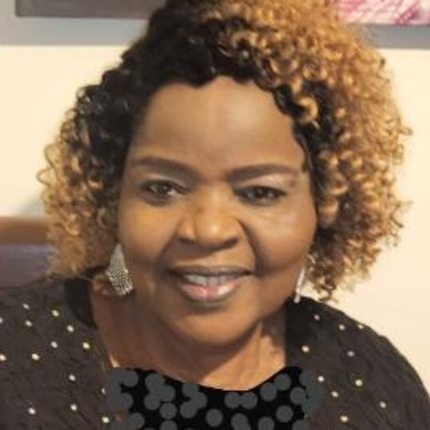
“We can all fully relax around Nyarai and she feels like part of our family, which is no mean feat!”
“She handled the new situation in front of her with such professionalism and I felt I could trust her 100%.”
Every carer has had an enhanced DBS check in the last 18 months, ID and right-to-work checks and an online interview. Their skills and training are for you to check with them. Carers set their own rates, and who is free changes week to week.