CQC report explained · a nursing home
What the CQC found at Langdale Nursing Home
Rated Good: inspectors found the home performing well and meeting their expectations.
- Safe?
- Good
- People were protected from abuse and avoidable harm. Risks were assessed, staffing levels were considered appropriate, infection controls were in place, and medicines were generally managed safely.
- Effective?
- Good
- People's needs were assessed and reviewed. Staff were trained and supported, people received enough food and drink, and staff worked with health professionals.
- Caring?
- Good
- This question was not assessed during this focused inspection. Its previous rating was carried forward.
- Responsive?
- Good
- This question was not assessed during this focused inspection. Its previous rating was carried forward.
- Well-led?
- Good
- The home had clear management responsibilities, effective quality checks and systems for learning from incidents. Relatives and staff gave positive feedback about communication and leadership.
What inspectors found, May 2021
Rated Good; inspectors found safe, effective and well-led care, with a small medicines labelling issue fixed during the visit.
Inspectors visited on 30 April and 6 May 2021. They spoke with people living at the home, relatives and staff. They observed care and reviewed care plans, medicines records, staff files and quality checks.
The home was rated Good overall. Safe, Effective and Well-led were also rated Good. Inspectors found people were protected from abuse, risks were assessed, medicines were generally managed safely, and there were enough staff.
The home had improved since the previous inspection, which was rated Requires Improvement. The earlier breaches of regulations were no longer present. The inspection was focused, so Caring and Responsive were not assessed during this visit and their earlier ratings were carried forward.
Safe care
People said they felt safe. Staff understood safeguarding procedures and risk assessments were reviewed when people's needs changed.
“People were kept safe from avoidable harm and abuse.” from the report
Enough trained staff
Inspectors found staffing levels appropriate for people's needs. Staff had training, supervision and support, and recruitment checks were completed.
“Staffing levels were appropriate to meet the needs of people using the home.” from the report
Food and healthcare
People and relatives were positive about the food and drink. The home supported people to see health professionals and updated care plans after visits.
“People and relatives spoke positively about the meals provided, confirming they received enough to eat and drink.” from the report
Family communication
Relatives were kept informed during the COVID-19 pandemic. The home provided different ways for families to stay in contact safely.
“Relatives told us the home had supported people to keep in contact with them during the COVID-19 pandemic.” from the report
Improved management
The provider had strengthened its quality checks and record keeping since the previous inspection. Audits were used to identify and act on improvements.
“The provider had a robust auditing system in place to monitor quality assurance.” from the report
Topical medicines labelling
needs fixingSome creams and lotions in people's rooms did not show who they were prescribed for or when they were opened. This could have meant they were used beyond their safe date, but the issue was fixed by the second day.
“not all topical medicines stored in people's rooms had the name of the person they were prescribe for or a date of opening recorded.” from the report
- 01How do you check that creams and lotions are labelled with the person's name and opening date?
- 02How are my relative's medicines checked at the end of each shift?
- 03What staffing levels will be in place for my relative's needs, including at night?
- 04How will you involve my relative and our family in reviewing their care and personal wishes?
- 05How will you keep us informed and support visits if infection restrictions change?
This was a focused inspection of Safe, Effective and Well-led; Caring and Responsive were not assessed and their previous ratings were carried forward. This explanation was written from the published report of 28 May 2021 by an AI system and checked against the report text: every quoted line appears in the report. It is a guide to the report, not a substitute for it. Read the full report on cqc.org.uk.
What inspectors found, July 2019
Rated Requires Improvement; inspectors found kind, responsive care, but risks and oversight were not managed consistently.
This was an unannounced planned inspection on 24 June 2019. Inspectors spoke with 10 people and seven staff. They reviewed care, medicine, recruitment and management records, and gathered views from health professionals.
People generally said they were happy and felt safe. Inspectors found enough staff, a clean environment, medicines given as prescribed, kind staff, personalised care, activities and good links with health professionals.
However, risks were not always managed safely. Inspectors found problems with bed rails, positioning during tube feeding, incomplete care records and medicine records. Consent and mental capacity checks were also not always completed.
The overall rating fell from Good at the previous inspection to Requires Improvement. Safe, Effective and Well-led were Requires Improvement, while Caring and Responsive remained Good. The provider was asked for an action plan and will be monitored.
Kind and respectful staff
People spoke positively about staff, who understood their preferences and supported their dignity, privacy and independence.
“Everyone we spoke with was positive about the caring nature of the staff.” from the report
Enough staff
Inspectors found there were enough staff to meet people's needs. The home had also recruited staff after a period of higher absence and turnover.
“There were enough staff to support people safely and meet their needs.” from the report
Good food and nutrition support
People were offered choices and received food and drink suited to their needs. Inspectors found people were protected from poor nutrition, dehydration and swallowing problems.
“People's dietary needs were met. They were provided with a nutritious and balanced diet that met their needs and preferences.” from the report
Personalised care and healthcare
Staff knew people's likes, dislikes and support needs. The home worked with external professionals and responded when people's health needs changed.
“Staff's knowledge of people was really good. They understood people's history, likes, dislikes as well as their support needs.” from the report
Risks were not always managed safely
seriousInspectors found bed rail risks that had not been acted on, including missing bumpers and a large gap where a person had previously fallen. They were also not assured that one person's position during tube feeding was safe.
“Despite this risk being known, no action had been taken and we observed this person in bed, with bed rails up, no bumpers in place and a large gap between the bottom of the bed and the rails.” from the report
Weak quality monitoring
seriousThe provider had limited audits and no effective action plans. Management systems had not identified several problems found during the inspection.
“The provider had not ensured that there were effective systems in place to monitor and assess the quality of the service or to drive improvements.” from the report
Consent and capacity records
needs fixingConsent had not always been requested for staff managing medicines. In some cases, mental capacity assessments and best-interest decisions had not been recorded.
“The deputy manager told us they did not carry out mental capacity assessments for people where this was needed, and it was not clear why.” from the report
Incomplete records
needs fixingRecords did not always show that planned care had been provided. Medicine, recruitment and complaint records also needed to be clearer and more complete.
“Support provided to people was recorded inconsistently meaning that it was not always possible to see that the planned care had been provided.” from the report
Periods without social activity
minorSome people had access to activities, but inspectors saw little activity for others who spent most of their time in communal areas. There were long periods without social engagement.
“However, we observed very little in terms of activity provision for other people who spent most of their time in communal areas of the home and there were long periods of time without any social engagement for them.” from the report
- 01What has been done to make sure bed rails, bumpers and other known risks are checked and managed safely every time?
- 02How do you now record and check that planned care, medicine administration and medicine storage requirements have been completed?
- 03How are mental capacity assessments, best-interest decisions and consent for medicines recorded and reviewed?
- 04What quality audits and action plans are now in place, and how will you show that improvements are lasting?
- 05How do you make sure people who spend time in communal areas receive meaningful activities and regular social interaction?
This was an unannounced planned inspection covering all five CQC questions; Caring and Responsive remained Good, while Safe, Effective and Well-led fell from Good to Requires Improvement. This explanation was written from the published report of 27 July 2019 by an AI system and checked against the report text: every quoted line appears in the report. It is a guide to the report, not a substitute for it. Read the full report on cqc.org.uk.
Every inspection of Langdale Nursing Home
4 rated inspections over 5 years: the service has improved, from Requires improvement to Good.
- May 2021Goodcurrent ratingup from Requires improvementSafe: GoodEffective: GoodCaring: GoodResponsive: GoodWell-led: Good
- July 2019Requires improvementdown from GoodSafe: Requires improvementEffective: Requires improvementWell-led: Requires improvement
- April 2017Goodup from Requires improvementSafe: GoodEffective: GoodCaring: GoodResponsive: GoodWell-led: Good
- April 2016Requires improvementSafe: Requires improvementEffective: Requires improvementCaring: GoodResponsive: Requires improvementWell-led: Requires improvement
- December 2013
Report published without a new overall rating.
- March 2013
Report published without a new overall rating.
- January 2012
Report published without a new overall rating.
- January 2011
Registered with the Care Quality Commission on 17 January 2011.
Ratings and report dates from the Care Quality Commission, Open Government Licence v3.0. A home can also be visited without a new rating being published, so the timeline shows published inspections.
Weigh the report against the rest
Fees, photos and reviews from families
How to read CQC ratings and reports
What to check when you visit
26 live-in carers within about an hour of Hampshire
These are self-employed carers on PrimeCarers, the introductory agency that runs this directory. Each has a profile with their own rates and reviews from families, and you choose who to talk to.
Most charge £1,020 to £1,260 a week. 23 can care for a couple. 14 years' experience on average.
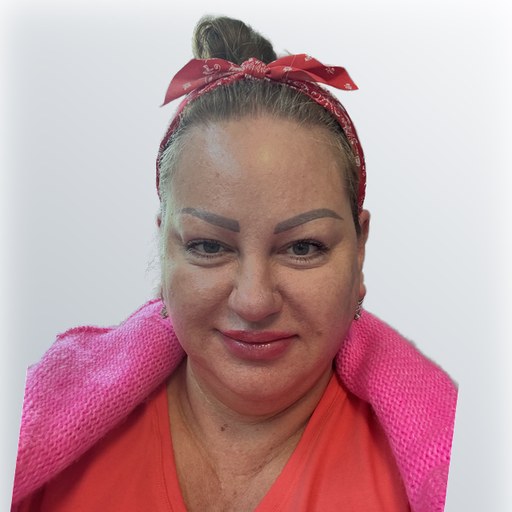



“I cannot recommend Prisca highly enough, she is one in a million.”
“He stayed with her throughout the pandemic, refusing to visit his own family, who lived nearby, to reduce the risk of infection.”
Every carer has had an enhanced DBS check in the last 18 months, ID and right-to-work checks and an online interview. Their skills and training are for you to check with them. Carers set their own rates, and who is free changes week to week.