CQC report explained · a nursing home
What the CQC found at Hazel Lodge
Rated Good: inspectors found the home performing well and meeting their expectations.
- Safe?
- Good
- People were protected from abuse and avoidable harm. Staff managed risks, medicines and infection control safely overall, but some pressure-relieving mattresses were incorrectly set on the first inspection day and some cream dates were missing.
- Effective?
- Good
- Staff were trained and supported, and people's health, eating, drinking and specialist needs were assessed. People were supported to make choices in line with the law.
- Caring?
- Good
- Staff built trusting relationships and treated people with kindness, dignity and respect. People and relatives were involved in care decisions.
- Responsive?
- Good
- Care was personalised to people's needs, communication styles, interests and relationships. Activities and visits had been affected by the pandemic, and the home was reviewing how to increase them.
- Well-led?
- Good
- The home had systems to monitor safety and quality. People, relatives, staff and professionals described the management as supportive, approachable and well organised.
What inspectors found, April 2022
Rated Good; inspectors found safe, kind and personalised care, with some mattress, cream-recording and visiting issues addressed or under review.
This was the home's first inspection. It was unannounced and took place over 9 and 11 March 2022. Inspectors spoke with four people, 11 relatives, seven staff and three professionals. They also observed care and checked records, medicines, staffing, the building and infection control.
The overall rating was Good in all five areas: Safe, Effective, Caring, Responsive and Well-led. People and relatives said they were happy, felt respected and believed staff provided safe care. Inspectors found enough staff, personalised care, good support with food and healthcare, and kind relationships.
Inspectors did identify some issues. Some pressure-relieving mattresses were not set correctly on the first day, and some creams did not have opening or disposal dates. The home acted quickly on both points. Relatives also said visiting times were difficult to book and wanted more opportunities to visit.
Detailed risk planning
Care plans described people's individual risks, equipment and health needs. Staff understood how to support people safely, and equipment checks and emergency plans were in place.
“Robust systems were in place to identify and manage foreseeable risks within the service, meaning people were protected from the risk of harm.” from the report
Skilled and supported staff
Staff received training, supervision and appraisals. New staff had a structured induction, and specialist training was arranged when needed.
“received training that enabled them to effectively meet people's needs and provide person-centred care.” from the report
Personalised support
Care plans included people's preferences, interests, beliefs, communication needs and important relationships. Staff used this information in day-to-day care.
“People received personalised care and support, specific to their needs and preferences and were respected as an individual, with their own social and cultural diversity, values and beliefs.” from the report
Mattress settings
seriousSome pressure-relieving mattresses were not set correctly on the first day. The manager added extra checks, and all mattresses were correctly set on the second visit.
“However, on the first day of our inspection we found although there were processes in place for staff to check, some people's pressure relieving mattresses were not set correctly.” from the report
Cream date records
needs fixingSome prescribed creams did not show when they had been opened or when they should be disposed of. The manager said this was corrected and staff were reminded.
“We found not all creams prescribed to people, had dates on to show when they had been opened and when they should be disposed.” from the report
Limited visiting availability
minorRelatives could visit using safety procedures, but some found appointments difficult to book and wanted to visit more often and for longer. The provider said it would review the arrangements.
“However, we received feedback from relatives that they would like to be able to visit more frequently and spend more time with their relatives.” from the report
- 01What extra checks are now used to make sure every pressure-relieving mattress is set correctly?
- 02How do you record the opening and disposal dates for prescribed creams, and who checks these records?
- 03Have visiting appointment times and the number of available visits increased since the inspection?
- 04How often will you review my relative's care plan with us, and how will you record any changes?
- 05What activities and outings are currently available, following the changes caused by the coronavirus pandemic?
This was an unannounced comprehensive first inspection covering all five CQC questions, including infection prevention and control and COVID-19 vaccination requirements. This explanation was written from the published report of 9 April 2022 by an AI system and checked against the report text: every quoted line appears in the report. It is a guide to the report, not a substitute for it. Read the full report on cqc.org.uk.
Every inspection of Hazel Lodge
Each visit the CQC has published, newest first, back to the day the home was registered.
- April 2022Goodcurrent ratingSafe: GoodEffective: GoodCaring: GoodResponsive: GoodWell-led: Good
- June 2020
Registered with the Care Quality Commission on 1 June 2020.
Ratings and report dates from the Care Quality Commission, Open Government Licence v3.0. A home can also be visited without a new rating being published, so the timeline shows published inspections.
Weigh the report against the rest
Fees, photos and reviews from families
How to read CQC ratings and reports
What to check when you visit
84 live-in carers within about two hours of Isle of Wight
These are self-employed carers on PrimeCarers, the introductory agency that runs this directory. Each has a profile with their own rates and reviews from families, and you choose who to talk to.
Most charge £1,010 to £1,230 a week. 68 can care for a couple. 11 years' experience on average.



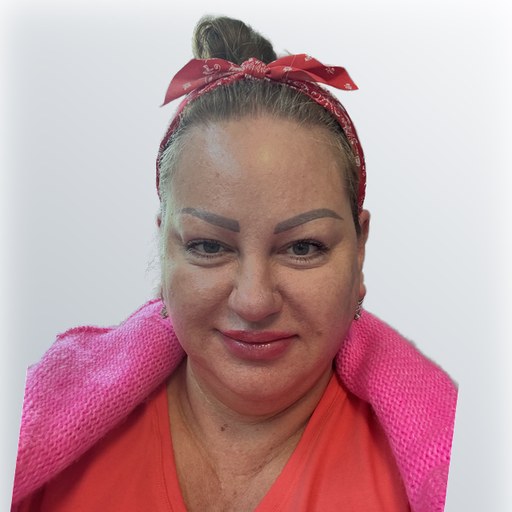
“I cannot recommend Prisca highly enough, she is one in a million.”
“He stayed with her throughout the pandemic, refusing to visit his own family, who lived nearby, to reduce the risk of infection.”
Every carer has had an enhanced DBS check in the last 18 months, ID and right-to-work checks and an online interview. Their skills and training are for you to check with them. Carers set their own rates, and who is free changes week to week.