CQC report explained · a nursing home
What the CQC found at Hawkinge House Proactive Assessment Unit
Rated Good: inspectors found the home performing well and meeting their expectations.
- Safe?
- Good
- Inspectors found enough staff, quick call-bell responses, safe recruitment and safe medicines management. Risks such as falls, choking, nutrition and skin damage were assessed and monitored.
- Effective?
- Good
- Care plans recorded people's needs, choices and risks. Staff were trained and worked with doctors, therapists and other professionals to support people's health and progress.
- Caring?
- Good
- People were treated with kindness, dignity and respect. Staff offered choices, asked for consent and encouraged people to remain as independent as possible.
- Responsive?
- Good
- Care plans were personalised and included preferences, communication needs and spiritual or cultural needs. Inspectors noted that communication could sometimes be difficult and that more activities were wanted, with actions taken after the inspection.
- Well-led?
- Good
- The home had an open management approach, regular audits and clear responsibilities. Staff, people and relatives described the home as organised and said managers were approachable.
What inspectors found, August 2022
Hawkinge House Proactive Assessment Unit was rated Good; inspectors found safe, kind and well-organised care, with some improvements needed in activities, communication and visiting arrangements.
This was the first inspection since the home registered in 2021. Two inspectors and an Expert by Experience visited without notice on 7 and 12 July 2022. They spoke with people, relatives, staff and health and social care professionals, and checked care records, medicines, staff files and management records.
The overall rating was Good. All five areas were rated Good: Safe, Effective, Caring, Responsive and Well-led. People said they felt safe and were treated kindly. Inspectors found enough staff, safe medicines systems, suitable training, personalised care and good links with health and social care professionals.
There were some areas to improve. Visiting arrangements had not yet followed new guidance, although this was fixed immediately after the inspection. Some people and relatives felt communication could sometimes be difficult, and there had been too few activities. English lessons had restarted and a staff member had begun arranging activities after the inspection.
Safe staffing and care
Inspectors found enough staff to meet people's needs. Call bells were answered quickly and staff understood people's risks and care needs.
“There were enough staff deployed to meet peoples' needs.” from the report
Medicines and learning
Medicines were stored, given and recorded safely. When mistakes happened, they were investigated and used to improve practice.
“Medicines were managed safely in line with national guidance.” from the report
Kind and respectful support
People were treated with dignity and involved in decisions about their daily routines and care. Staff encouraged independence where possible.
“People were treated with dignity and respect.” from the report
Strong management systems
Managers used audits, meetings and action plans to monitor quality. Staff said the culture was open and supportive.
“Robust quality assurance processes were in place to monitor the service and regular audits were undertaken in a number of areas for example, infection control and medicines.” from the report
Visiting arrangements
minorVisitors had to make appointments even though visiting was not restricted. The home corrected this immediately after the inspection and sent information to relatives.
“Although visiting wasn't restricted, visitors needed to make appointments.” from the report
Communication
needs fixingSome people, relatives and professionals said language could sometimes make communication harder. English lessons for staff had restarted after being suspended during COVID-19 restrictions.
“Some professionals who worked with the service, people and their relatives reported language could be a problem and a barrier to good communications at times.” from the report
Activities
minorProfessionals and relatives thought there could be more activities. After the inspection, a staff member took responsibility for arranging activities such as gardening, quizzes and bingo.
“Professionals and relatives told us they thought there could be more activities.” from the report
- 01What visiting arrangements apply now, and do relatives still need to book appointments?
- 02What activities are currently available, and how often can my relative take part?
- 03How will you make sure communication is clear if my relative has hearing, language or other communication needs?
- 04How will you review my relative's care and longer-term support needs during this short-term stay?
- 05How are medicines, falls, nutrition and other risks monitored and shared with relatives?
This was the first comprehensive inspection of the newly registered home and covered all five key questions, including infection prevention and control under Safe. This explanation was written from the published report of 18 August 2022 by an AI system and checked against the report text: every quoted line appears in the report. It is a guide to the report, not a substitute for it. Read the full report on cqc.org.uk.
Every inspection of Hawkinge House Proactive Assessment Unit
Each visit the CQC has published, newest first, back to the day the home was registered.
- August 2022Goodcurrent ratingSafe: GoodEffective: GoodCaring: GoodResponsive: GoodWell-led: Good
Read what inspectors found at Hawkinge House Proactive Assessment Unit →
- April 2021
Registered with the Care Quality Commission on 22 April 2021.
Ratings and report dates from the Care Quality Commission, Open Government Licence v3.0. A home can also be visited without a new rating being published, so the timeline shows published inspections.
Weigh the report against the rest
Fees, photos and reviews from families
How to read CQC ratings and reports
What to check when you visit
39 live-in carers within about an hour of Kent
These are self-employed carers on PrimeCarers, the introductory agency that runs this directory. Each has a profile with their own rates and reviews from families, and you choose who to talk to.
Most charge £980 to £1,260 a week. 33 can care for a couple. 12 years' experience on average.



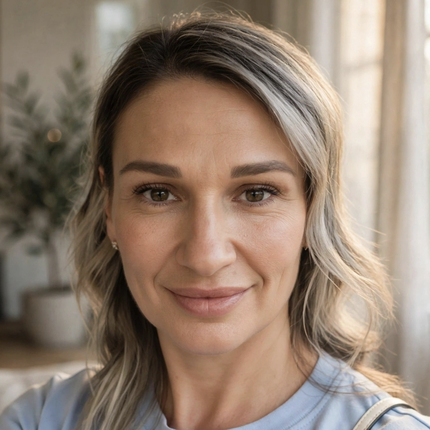
“Always on time and with a lovely smile for my mum. Theresa is kind and sensitive to my mum's needs.”
“Irene was a very kind and empathetic carer who knew just the right words to say to put a smile on my face.”
Every carer has had an enhanced DBS check in the last 18 months, ID and right-to-work checks and an online interview. Their skills and training are for you to check with them. Carers set their own rates, and who is free changes week to week.