CQC report explained · a nursing home
What the CQC found at Guide Lane Nursing Home
Rated Good: inspectors found the home performing well and meeting their expectations.
- Safe?
- Good
- Inspectors were assured that the home was using safe infection prevention and control procedures. They found arrangements for visitor checks, testing, personal protective equipment, safe admissions, hygiene and outbreak management.
- Effective?
- Good
- Does the care work? Training, consent, food and drink, working with GPs and nurses.
- Caring?
- Good
- Are people treated with kindness and dignity?
- Responsive?
- Good
- Is care built around the person? Care plans, activities, complaints.
- Well-led?
- Good
- Is the home run well? The manager, the culture, how problems get found and fixed.
What inspectors found, September 2020
Inspected but not rated; inspectors found good infection prevention and control arrangements during the coronavirus pandemic.
Inspectors visited the home on 25 August 2020. This was an announced, targeted inspection focused only on infection prevention and control during the coronavirus pandemic.
Inspectors found that visitors had health checks and followed hygiene procedures. The home had testing, personal protective equipment, isolation arrangements and plans for managing outbreaks.
The home kept residents and families updated through meetings, letters and phone calls. Inspectors were assured that infection risks were being managed safely.
The service was inspected but not rated. This means the visit did not provide an overall quality rating or a full rating for all five areas of care.
Visitor safety checks
Everyone entering the home had their temperature taken, completed a health risk assessment and followed a hygiene procedure.
“Anyone who crossed the threshold of the home was required to have their temperature taken and complete a full health risk assessment.” from the report
Testing and risk plans
The home regularly tested residents and staff. It also had individual risk management plans for people who were particularly vulnerable.
“Regular testing was carried out at the home of both staff and people who used the service.” from the report
Safe admissions
New residents were expected to have confirmed test results before admission and to remain in their rooms for 14 days with barrier nursing.
“New admissions were required to stay quarantined in their room for 14 days and barrier nursed.” from the report
PPE and cleanliness
The home had spaces for staff to change, PPE and sanitising stations, infection control champions and designated housekeepers.
“Sanitisation and PPE stations were placed around the building and where staff moved between floors, they were required to sanitise their hands and refresh their PPE.” from the report
Outbreak planning
The home had plans for outbreaks and other emergencies, including ways to isolate areas and reduce the spread of infection.
“These plans included isolation and zoning of the physical environment to minimise the potential spread of infection.” from the report
Inspectors raised no specific concerns in this report.
- 01How often are residents and staff currently tested, and what happens if a test is positive?
- 02How are new residents admitted safely, including people returning from hospital?
- 03How do you keep PPE and hand-sanitising stations supplied and checked?
- 04Who are the current infection control and prevention champions, and how do they support staff?
- 05How are residents and families kept informed if there is an infection outbreak or other emergency?
This was a targeted inspection of infection prevention and control measures during the coronavirus pandemic; it did not rate the other areas of care. This explanation was written from the published report of 25 September 2020 by an AI system and checked against the report text: every quoted line appears in the report. It is a guide to the report, not a substitute for it. Read the full report on cqc.org.uk.
What inspectors found, May 2018
Rated Good; inspectors found safe, kind and person-centred care, with a small gap in recording drinks.
The inspection was unannounced and took place on 24 April 2018. Inspectors spoke with people living in the home, visitors, staff and health and social care professionals. They also observed a meal and checked care plans, staff files, training records, safety records, audits and meeting notes.
The home was rated Good in all five areas: Safe, Effective, Caring, Responsive and Well-led. Inspectors found suitable staffing, safe medicines systems, up-to-date risk assessments and good infection control. Care records were thorough, staff were trained, and people received nutritious food and enough drinks.
People described staff as kind and caring. Inspectors saw care delivered with patience, kindness and compassion. The home had activities, person-centred care plans, regular feedback systems and audits to check and improve the service. The overall Good rating stayed the same as at the previous inspection.
Kind and respectful care
Inspectors saw staff supporting people patiently and respectfully. Privacy and dignity were protected during personal care and moving and handling.
“We observed care throughout the day and saw that staff delivered support with patience, kindness and compassion.” from the report
Safe systems
Recruitment checks, safeguarding arrangements, risk assessments, medicines procedures and safety checks were all found to be suitable.
“Medicines systems for ordering, storing, administering and disposing of medicines at the service were safe.” from the report
Good care planning
Care plans covered health, support needs, preferences and communication. They were reviewed regularly and involved people and families where possible.
“Care plans were person-centred and included a 'Remembering Together – Your Life Story.” from the report
Activities and choice
The home offered a range of activities, trips out and opportunities linked to people’s interests. Feedback had led to more outdoor activities.
“There was an activities coordinator who organised and monitored activities at the home.” from the report
Checks and improvement
Managers carried out regular checks and audits. Actions had completion dates and were signed off when finished.
“All audits and checks had clearly recorded action plans and dates for completion of actions.” from the report
Staff felt busy
minorAlthough inspectors found staffing levels appropriate on the day, one person said staff could be rushed and that an extra pair of hands might help.
“Can't fault the staff but could do with an extra pair of hands. They are always rushed” from the report
- 01How do you now record drinks for people who cannot ask for them, and how do you check the records?
- 02How do you review staffing levels when people’s care needs change or staff are absent?
- 03What activities and trips are currently available, and how are people’s interests used to plan them?
- 04How are families involved in care plan reviews and decisions about daily care?
- 05What progress has been made with end of life training for staff?
This was an unannounced inspection covering all five quality areas; the overall Good rating and each individual rating remained unchanged from the previous inspection. This explanation was written from the published report of 24 May 2018 by an AI system and checked against the report text: every quoted line appears in the report. It is a guide to the report, not a substitute for it. Read the full report on cqc.org.uk.
Every inspection of Guide Lane Nursing Home
2 rated inspections over 3 years: the service has held its Good rating throughout.
- September 2020Inspected but not ratedcurrent ratingSafe: Inspected but not rated
- May 2018Goodstayed GoodSafe: GoodEffective: GoodCaring: GoodResponsive: GoodWell-led: Good
- March 2015GoodSafe: GoodEffective: GoodCaring: GoodResponsive: GoodWell-led: Good
- May 2013
Report published without a new overall rating.
- May 2012
Report published without a new overall rating.
- October 2011
Registered with the Care Quality Commission on 31 October 2011.
Ratings and report dates from the Care Quality Commission, Open Government Licence v3.0. A home can also be visited without a new rating being published, so the timeline shows published inspections.
Weigh the report against the rest
Fees, photos and reviews from families
How to read CQC ratings and reports
What to check when you visit
At least 100 live-in carers within about an hour of Tameside
These are self-employed carers on PrimeCarers, the introductory agency that runs this directory. Each has a profile with their own rates and reviews from families, and you choose who to talk to.
Most charge £980 to £1,260 a week. 90 can care for a couple. 10 years' experience on average.



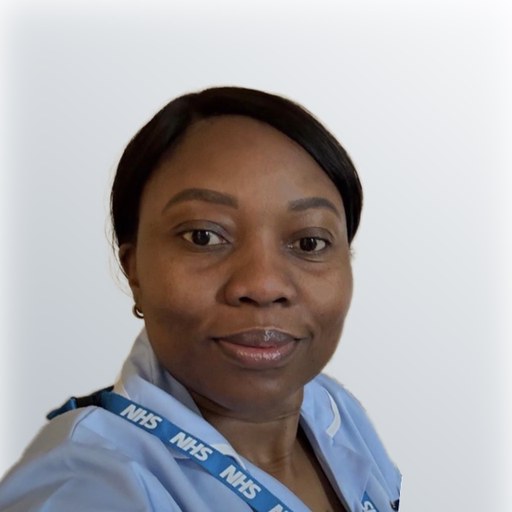
“Primrose is a very kind and compassionate healthcare professional”
Every carer has had an enhanced DBS check in the last 18 months, ID and right-to-work checks and an online interview. Their skills and training are for you to check with them. Carers set their own rates, and who is free changes week to week.