CQC report explained · a nursing home
What the CQC found at Gorseway Nursing Home
Rated Good: inspectors found the home performing well and meeting their expectations.
- Safe?
- Good
- People's risks were assessed and staff understood how to manage them. Inspectors found some gaps in monitoring records, but the manager acted during the inspection to improve recording.
- Effective?
- Good
- People's health, nutrition and consent needs were met, and staff worked with health professionals. Some fluid targets were not always appropriate, and a programme was being developed to improve monitoring.
- Caring?
- Good
- People and relatives described staff as kind, caring and respectful. Inspectors observed compassionate care and found people were involved in choices about their daily lives.
- Responsive?
- Good
- Care was personalised and people were supported with activities, relationships, communication and complaints. Some care plans needed more detail about people's life histories, health conditions and end-of-life preferences.
- Well-led?
- Requires improvement
- There was an open culture and a clear management structure, but quality checks did not identify all shortfalls. These included issues with risk, care, medicine and recruitment records, and some notifications to CQC.
What inspectors found, December 2022
Rated Good overall; inspectors found kind, safe care, but the home's leadership and records still need improvement.
This was an unannounced inspection on 9 and 11 November 2022. Inspectors spoke with eight people, 14 relatives and 17 staff. They reviewed care, medicine and management records, as well as infection control arrangements.
Inspectors found people were safe, treated with kindness and respected. Their health, nutrition, medicines, activities and relationships were supported. The inspection had been prompted partly by concerns about how caring staff were, but inspectors did not find evidence to support those concerns.
The main weakness was management oversight. Some records were not accurate or detailed enough, and the quality checks did not find every problem. The overall rating improved from Requires Improvement to Good, but Well-led remained Requires Improvement.
Kind and respectful care
People and relatives spoke positively about staff. Inspectors saw people being treated with compassion, dignity and respect.
“We observed staff treated people in a caring and compassionate manner.” from the report
People felt safe
The home assessed risks, had safeguarding systems and responded to health concerns. People said they or their relatives felt safe.
“Everybody we spoke with said they, or their relative, felt safe.” from the report
Personalised choices
Staff knew people's preferences and supported them to make choices about food, routines, personal care and activities.
“People received personalised care and support specific to their needs and preferences.” from the report
Improvement since the last inspection
The home improved from Requires Improvement to Good overall. The previous regulatory breaches were no longer present at this inspection.
“At this inspection we found improvements had been made and the provider was no longer in breach of regulations.” from the report
Management checks and records
needs fixingQuality assurance systems did not identify every problem. Records about risks, care, medicines and recruitment were not always complete or accurate, so the provider was asked to improve its governance.
“The provider's quality assurance systems were not fully effective in identifying all concerns in the service, and records were not always accurate or detailed.” from the report
Staff sometimes felt stretched
minorAlthough inspectors found enough staff to respond to people's requests, some people and staff said staff could be busy and had less time to spend with people.
“However, some people felt staff seemed "stretched" and "busy" at times.” from the report
Some clinical support needs strengthening
needs fixingOne professional felt nursing staff sometimes needed extensive guidance with some clinical knowledge. The home had introduced a preceptorship programme for new nurses.
“However, one professional felt that nursing staff often needed "extensive guidance" with some areas of clinical knowledge.” from the report
Some care records needed more detail
needs fixingInspectors found that some care plans did not fully describe people's life history, how health conditions affected daily life or end-of-life preferences.
“Some people's care plans could be further developed to ensure people's preferences for end of life care were reflected.” from the report
- 01What changes have you made to ensure risk, care and medicine records are accurate and detailed?
- 02How do you check staffing levels when staff or residents feel the team is stretched or busy?
- 03What support and supervision do nurses receive through the preceptorship programme and afterwards?
- 04How are residents' life histories, health conditions and end-of-life preferences recorded and kept up to date?
- 05How do you make sure important safeguarding allegations are reported to CQC promptly?
This was an unannounced inspection covering all five CQC questions, including infection prevention and control under Safe. This explanation was written from the published report of 3 December 2022 by an AI system and checked against the report text: every quoted line appears in the report. It is a guide to the report, not a substitute for it. Read the full report on cqc.org.uk.
What inspectors found, January 2021
Rated Requires Improvement; the home had improved from Inadequate, but risk records, consent records and checks of care were still not reliable enough.
Inspectors carried out a focused inspection on 17 November 2020. They spoke with people, relatives and staff, observed care, checked the building and equipment, and reviewed care, medicine, recruitment and quality records.
The home had made important improvements since the previous inspection. Medicines were managed safely, staff recruitment and staffing had improved, safeguarding and incident reporting were better, and staff had completed relevant training. People and relatives also said the home felt safer and more caring.
However, records did not always show that risk-reduction actions had been completed. Some consent and mental capacity records were inaccurate or incomplete. Records also did not always show that healthcare advice or planned care had been followed.
The overall rating was Requires Improvement. Safe, Effective and Well-led were each rated Requires Improvement. The home had previously been Inadequate and in Special Measures, but it was no longer Inadequate or in Special Measures after this inspection.
Medicines
The home had improved its medicine systems. Storage temperatures, stock, administration and audits were checked, and errors could be identified promptly.
“The deputy manager had good oversight of people's medicines and these were audited daily.” from the report
Staffing and training
Permanent staff recruitment had increased and agency use had fallen. Staff had completed required training, received supervision and said they felt supported.
“Staff had completed training to support them to carry out their role effectively.” from the report
Safeguarding and learning
The home had improved how it identified, reported and investigated possible abuse and how it learned from incidents.
“Improvements had been made in the identification, reporting and investigation of incidents of potential abuse or harm.” from the report
Food and nutrition
People’s nutrition risks were assessed and monitored. Inspectors saw positive outcomes, and people and relatives spoke positively about the food.
“People had achieved good outcomes from the management of their nutritional needs.” from the report
Culture and communication
People, relatives and staff described the leadership and culture as improved. Communication with families and involvement through meetings had also improved.
“We received feedback from people, relatives and staff telling us about improvements in the leadership and culture of the home.” from the report
Risk actions were not always recorded
seriousRecords did not always show that staff had carried out actions to reduce risks. This included repositioning, wound care, nutrition, diabetes and continence support, creating a risk of harm.
“Risk management was not robust enough to demonstrate actions to mitigate risks were always followed by staff.” from the report
Consent and mental capacity records
seriousSome DoLS applications did not include a mental capacity assessment. Other records incorrectly described people’s capacity, and four consent forms were incomplete.
“Systems were not robust enough to demonstrate records relating to people's ability to make decisions and give their consent was effectively managed.” from the report
Care records did not always show care was delivered
needs fixingRecords did not always evidence that health professionals’ recommendations, such as daily massage and twice-daily tooth brushing, had been followed. Nutrition and wound records also lacked important detail.
“Records did not always provide assurances actions were carried out as recommended.” from the report
Quality checks missed problems
needs fixingThe home had improved its monitoring systems, but they had not found the problems with daily records, consent, mental capacity and risk-plan checks.
“However, it did not identify the concerns we found in terms of daily records, recording of consent and mental capacity.” from the report
Infection control guidance
minorInspectors were only somewhat assured about shielding, social distancing and some PPE use. They gave guidance on individual risk assessments and PPE when helping people to eat.
“We were somewhat assured that the provider was using PPE effectively and safely.” from the report
- 01How do you now check and record that repositioning and wound-care plans are carried out as required?
- 02How have you corrected the incomplete consent and mental capacity records, including records about medicines and DoLS applications?
- 03How do you check that recommendations from physiotherapists, dentists and other health professionals are followed and recorded?
- 04What evidence can you show that the action plan for the two breached regulations has been completed?
- 05How do you monitor shielding, social distancing and PPE use when staff help people with eating?
This was a focused inspection covering Safe, Effective and Well-led; the ratings for Caring and Responsive were not assessed in this report and previous ratings were used in the overall rating. This explanation was written from the published report of 16 January 2021 by an AI system and checked against the report text: every quoted line appears in the report. It is a guide to the report, not a substitute for it. Read the full report on cqc.org.uk.
Every inspection of Gorseway Nursing Home
4 rated inspections over 4 years: the service has improved, from Requires improvement to Good.
- December 2022Goodcurrent ratingup from Requires improvementSafe: GoodEffective: GoodCaring: GoodResponsive: GoodWell-led: Requires improvement
- January 2021Requires improvementup from InadequateSafe: Requires improvementEffective: Requires improvementWell-led: Requires improvement
- May 2020Inadequatedown from Requires improvementSafe: InadequateEffective: InadequateCaring: Requires improvementResponsive: Requires improvementWell-led: Requires improvement
- May 2019Requires improvementSafe: Requires improvementEffective: Requires improvementCaring: Requires improvementResponsive: Requires improvementWell-led: Requires improvement
- October 2018
Registered with the Care Quality Commission on 23 October 2018.
Ratings and report dates from the Care Quality Commission, Open Government Licence v3.0. A home can also be visited without a new rating being published, so the timeline shows published inspections.
Weigh the report against the rest
Fees, photos and reviews from families
How to read CQC ratings and reports
What to check when you visit
26 live-in carers within about an hour of Hampshire
These are self-employed carers on PrimeCarers, the introductory agency that runs this directory. Each has a profile with their own rates and reviews from families, and you choose who to talk to.
Most charge £1,020 to £1,260 a week. 23 can care for a couple. 14 years' experience on average.
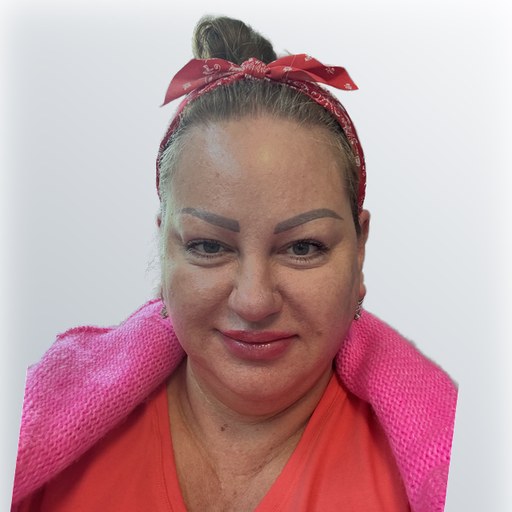



“I cannot recommend Prisca highly enough, she is one in a million.”
“He stayed with her throughout the pandemic, refusing to visit his own family, who lived nearby, to reduce the risk of infection.”
Every carer has had an enhanced DBS check in the last 18 months, ID and right-to-work checks and an online interview. Their skills and training are for you to check with them. Carers set their own rates, and who is free changes week to week.