CQC report explained · a residential care home
What the CQC found at Glebelands
Rated Good: inspectors found the home performing well and meeting their expectations.
- Safe?
- Good
- Inspectors found enough staff, suitable recruitment checks and good safeguarding arrangements. Risks were recorded in detail, incidents were reviewed, and medicines were managed safely.
- Effective?
- Good
- Staff received training and supervision suited to people's needs. People were supported with communication, healthcare, nutrition and decisions under the Mental Capacity Act.
- Caring?
- Good
- Staff were described as caring and committed. People were treated with dignity, involved in their care where possible, and supported to maintain important relationships.
- Responsive?
- Good
- Care plans reflected people's communication, sensory, behavioural and daily living needs. People were supported to develop independence, take part in activities and keep in contact with family.
- Well-led?
- Good
- Inspectors found an open culture, clear management arrangements and regular checks on care, medicines, staffing and safety. The provider notified CQC about significant events as required.
What inspectors found, January 2018
Rated Good; inspectors found safe, caring and personalised support, with no breaches reported.
The inspection was unannounced and took place on 26 October 2017. One inspector visited the home, observed care, spoke with relatives, staff and social workers, and reviewed care plans, medicines, staffing, complaints and quality records.
All five areas were rated Good: Safe, Effective, Caring, Responsive and Well-led. The home supported four adults with learning disabilities and had places for up to four people.
Inspectors found staff understood people's complex needs and communication methods. Care plans were detailed and regularly updated. Staff supported people with safety, healthcare, medicines, daily activities, independence and family relationships.
The home had enough staff, suitable recruitment checks and systems to monitor quality. The last inspection in July 2015 also rated the home Good.
Personalised care plans
Plans included detailed guidance about people's communication, anxieties, preferences and safety. Staff used this information in their day-to-day support.
“People's care plans contained detailed guidance around communication and behavioural support.” from the report
Skilled and supported staff
Staff received tailored induction, training, mentoring and supervision. The manager also provided training based on the needs of people living at the home.
“The registered manager provided bespoke staff training, induction and ongoing support tailored to the needs of people” from the report
Promoting independence
People were encouraged to learn everyday skills and try new experiences, both at home and in the community.
“People were encouraged to develop their living skills, independence and try new experiences.” from the report
Strong family involvement
Families helped develop and review care plans and received regular updates about wellbeing, activities, achievements and concerns.
“People and where appropriate, their families were involved in discussions about developing their care plans, which were centred on the person as an individual.” from the report
Learning from incidents
The home analysed incidents and updated risk assessments and guidance. Records showed a gradual reduction in the number of incidents involving people.
“The service analysed and reflected on incidents in order to look for ways to reduce the likelihood of reoccurrence.” from the report
Limited direct feedback
minorPeople were unable to formally give feedback themselves, so the inspection relied on relatives and professionals for their views. Ask how the home helps people express concerns and choices.
“People were unable to formally give their feedback about the service so relied on family members to raise issues and concerns.” from the report
- 01How do you currently help each person communicate choices, concerns and complaints?
- 02How are anxiety triggers, incidents and risk assessments reviewed and updated?
- 03What restrictions are currently in place, and how are you working to reduce them?
- 04How will you support my relative to develop independence and take part in community activities?
- 05How will I receive updates about my relative's health, wellbeing, activities and any incidents?
This was an unannounced comprehensive inspection covering all five CQC question areas; the previous inspection in July 2015 also rated the home Good. This explanation was written from the published report of 5 January 2018 by an AI system and checked against the report text: every quoted line appears in the report. It is a guide to the report, not a substitute for it. Read the full report on cqc.org.uk.
Every inspection of Glebelands
2 rated inspections over 2 years: the service has held its Good rating throughout.
- January 2018Goodcurrent ratingstayed GoodSafe: GoodEffective: GoodCaring: GoodResponsive: GoodWell-led: Good
- September 2015GoodSafe: GoodEffective: GoodCaring: GoodResponsive: GoodWell-led: Good
- February 2014
Report published without a new overall rating.
- December 2012
Report published without a new overall rating.
- February 2011
Registered with the Care Quality Commission on 22 February 2011.
Ratings and report dates from the Care Quality Commission, Open Government Licence v3.0. A home can also be visited without a new rating being published, so the timeline shows published inspections.
Weigh the report against the rest
Fees, photos and reviews from families
How to read CQC ratings and reports
What to check when you visit
26 live-in carers within about an hour of Hampshire
These are self-employed carers on PrimeCarers, the introductory agency that runs this directory. Each has a profile with their own rates and reviews from families, and you choose who to talk to.
Most charge £1,020 to £1,260 a week. 23 can care for a couple. 14 years' experience on average.
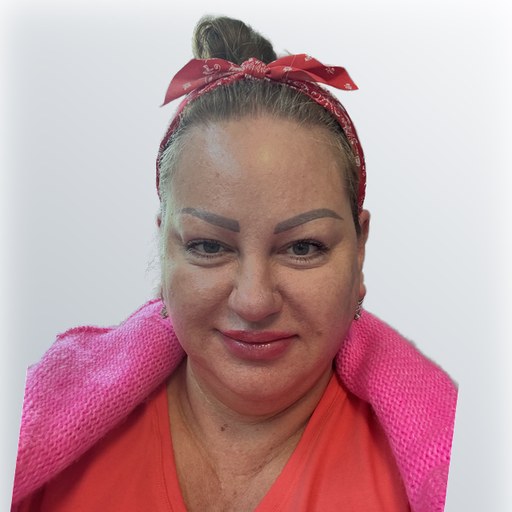



“I cannot recommend Prisca highly enough, she is one in a million.”
“He stayed with her throughout the pandemic, refusing to visit his own family, who lived nearby, to reduce the risk of infection.”
Every carer has had an enhanced DBS check in the last 18 months, ID and right-to-work checks and an online interview. Their skills and training are for you to check with them. Carers set their own rates, and who is free changes week to week.