CQC report explained · a residential care home
What the CQC found at Garden House
Rated Good: inspectors found the home performing well and meeting their expectations.
- Safe?
- Good
- People received medicines safely and there were enough staff to meet people's needs. Inspectors identified weaknesses in infection control and in analysing information about falls and bruising.
- Effective?
- Good
- Staff had suitable induction, training and supervision. The home supported healthcare needs, but its layout and size limited privacy, independence and opportunities to develop independent living skills.
- Caring?
- Good
- People were treated with kindness, dignity and respect. Staff supported people to communicate, make choices and maintain their interests and relationships.
- Responsive?
- Good
- Care plans were personalised and regularly reviewed. People were supported with activities, hobbies, local trips and community events.
- Well-led?
- Requires improvement
- Managers were visible and approachable, and several audits were in place. However, there was no firm plan or timetable to address the building's effect on independence, and some systems did not identify patterns of risk effectively.
What inspectors found, November 2019
Rated Good overall; inspectors found kind, safe care, but the home was rated Requires Improvement for leadership.
The inspection took place without notice on 23 October 2019. Inspectors spoke with people living in the home, staff, visiting professionals and relatives. They reviewed care plans, medicines records, staff records and management checks.
The home was rated Good for safe, effective, caring and responsive care. Inspectors found enough staff, safe medicines practices, kind support and care plans that reflected people's needs and interests.
The main concerns were about leadership and improvement. The building was a large group setting and did not support independence as well as current guidance expects. There were also infection control issues, including damaged kitchen flooring and food without storage dates.
The overall rating stayed Good, as it had been at the previous inspection. The well-led rating remained Requires Improvement because there was no firm plan or timetable to improve the building and some monitoring systems were not strong enough.
Kind and respectful staff
People and relatives described staff as caring, friendly and helpful. Staff spent time encouraging people and supporting them without rushing.
“People were treated with consideration and kindliness. Staff were friendly in their approach and offered reassurance and support appropriately.” from the report
Safe medicines support
Medicines were stored, administered and checked safely. Staff who gave medicines had training and competency checks.
“People received their medicines safely, in the way prescribed for them” from the report
Personalised care and activities
Care plans reflected people's needs, preferences and personalities. People took part in shopping, walks, hobbies, workshops and community events.
“Care plans were individualised, addressed people's specific needs and contained information about people's preferences and personalities.” from the report
Good staff support
Staff received induction, regular training, supervision and appraisals. They said they felt supported and confident in their roles.
“Staff told us the training was of good quality and equipped them to carry out their roles confidently.” from the report
Building limits independence
needs fixingThe home was a large group setting and its layout did not support privacy or independent living as well as current guidance expects. There was no firm plan or timetable for changing this.
“The building design and layout did not support the development of independent living skills.” from the report
Infection control checks
needs fixingInspectors found damaged kitchen flooring, an uncovered laundry basket in the kitchen and food without dates. They recommended stronger infection control systems and checks.
“The fridge contained some food which had been taken out of the original packaging and covered with cling film.” from the report
Weak analysis of falls information
needs fixingInformation about bruising and possible falls was recorded, but there was no effective system to analyse it over time and identify patterns.
“There was no system to effectively analyse the information over a period of time.” from the report
Limited involvement in menus
minorPeople generally used the on-site restaurant, which reduced their opportunities to help choose menus and prepare meals.
“This restricted their opportunities for being involved in choosing menus for the week and the preparation of meals.” from the report
- 01What firm plan and timetable do you now have to make the building more suitable for privacy, independence and smaller-scale living?
- 02What changes have been made to the kitchen flooring, laundry arrangements and food labelling since the inspection?
- 03How do you now analyse falls, bruising and other incidents over time to identify patterns?
- 04How are people living here involved in choosing menus and preparing meals?
- 05How do you support people to use shared bathrooms and move around the building while maintaining their privacy and independence?
This was a planned, unannounced inspection covering all five CQC questions; the report says the previous overall rating was Good, published on 9 May 2017. This explanation was written from the published report of 21 November 2019 by an AI system and checked against the report text: every quoted line appears in the report. It is a guide to the report, not a substitute for it. Read the full report on cqc.org.uk.
What inspectors found, May 2017
Garden House was rated Good overall, but inspectors found the home Requires Improvement in well-led arrangements.
This was an unannounced inspection on 20 February 2017. It followed concerns raised by the local authority about staffing, training, safety, people’s choices, compatibility between residents and the way the service was managed. Inspectors spoke with people living in the home, relatives, staff and a healthcare professional. They also reviewed care records, staff files, training records, medicines records and quality checks.
Inspectors found enough staff, suitable recruitment checks and a broad training programme. People were described as safe and were supported by staff who knew them well. Care was kind and respectful. People could choose their food, where to eat and which activities to join. Their health needs were monitored and professional advice was generally followed.
The main weakness was leadership. The provider had not co-operated with the local authority after the inspection, which might have affected people’s rights and safety. Inspectors also found some records and medicines storage arrangements needed attention. The home was rated Good for Safe, Effective, Caring and Responsive, but Requires Improvement for Well-led.
Staffing and safety
Inspectors found enough staff to meet people’s needs safely. Recruitment checks, safeguarding training and emergency arrangements were also in place.
“People were supported by a sufficient number of staff.” from the report
Staff training
Staff had induction, mandatory training and training linked to people’s individual needs. Staff said they could request further training.
“A comprehensive training programme was in place which included induction training, mandatory training and training to support people's individual needs.” from the report
Kind and respectful care
Staff knew people well, treated them with kindness and respect, and supported their dignity, communication and independence.
“People were looked after by staff who treated them with kindness and respect.” from the report
Choice and activities
People could choose what and where to eat and could choose which activities to join. The home offered activities inside and outside the home.
“People were able to choose what activities they took part in and suggest other activities they would like to complete.” from the report
Health support
Staff monitored people’s health, contacted healthcare professionals when needed and followed professional guidance.
“A healthcare professional confirmed recommendations they provided to help keep people healthy were always followed.” from the report
Outside agency co-operation
seriousAfter the inspection, the provider did not allow local safeguarding representatives onto the premises. Inspectors said this might mean people’s rights were not protected.
“The decision not to allow access to representatives of the local safeguarding team meant people's rights might not have been protected.” from the report
Medicines storage
seriousRecords showed the medicines refrigerator temperatures had been outside the safe range since 1 December 2016. The manager said a new refrigerator would be purchased.
“the temperatures since 1 December 2016 were outside of the safe range for medicines storage.” from the report
Confidential records
needs fixingSome records containing people’s private information were kept in an unlocked cabinet. The manager said they would be locked after the inspection.
“People's private information was not always locked away.” from the report
Activity records
needs fixingRecords did not always explain whether someone had chosen not to take part in an activity, or whether staff offered alternatives. The home was asked to improve this recording.
“records did not show whether this was the person's choice, if alternatives were offered or if any further action was taken” from the report
Mental capacity records
needs fixingSome mental capacity assessments and consent forms did not match information in care plans. The manager said consent records would be included in annual reviews.
“MCA assessments and consent form did not always reflect information provided in people's care plans regarding their mental capacity.” from the report
Financial risk assessments
needs fixingWhere staff supported people with money, records did not initially explain why support was needed or how much support was appropriate. The manager later confirmed risk assessments had been put in place.
“when staff supported people with their money, risk assessments were not in place to show why staff were doing this” from the report
- 01Has the medicines refrigerator been replaced, and how are temperatures now checked and recorded?
- 02How are private care records kept secure so that other people and visitors cannot access them?
- 03How do you record when someone declines an activity and what alternatives are offered?
- 04How have mental capacity assessments and consent records been brought into line with care plans?
- 05How does the provider now work with the local authority and safeguarding representatives?
This was an unannounced inspection of all five key questions, carried out in response to concerns raised by the local authority. This explanation was written from the published report of 9 May 2017 by an AI system and checked against the report text: every quoted line appears in the report. It is a guide to the report, not a substitute for it. Read the full report on cqc.org.uk.
Every inspection of Garden House
3 rated inspections over 4 years: the service has held its Good rating throughout.
- November 2019Goodcurrent ratingstayed GoodSafe: GoodEffective: GoodCaring: GoodResponsive: GoodWell-led: Requires improvement
- May 2017Goodstayed GoodSafe: GoodEffective: GoodCaring: GoodResponsive: GoodWell-led: Requires improvement
- December 2015GoodSafe: GoodEffective: GoodCaring: GoodResponsive: GoodWell-led: Good
- July 2013
Report published without a new overall rating.
- August 2012
Report published without a new overall rating.
- February 2011
Registered with the Care Quality Commission on 15 February 2011.
Ratings and report dates from the Care Quality Commission, Open Government Licence v3.0. A home can also be visited without a new rating being published, so the timeline shows published inspections.
Weigh the report against the rest
Fees, photos and reviews from families
How to read CQC ratings and reports
What to check when you visit
10 live-in carers within about two hours of Cornwall
These are self-employed carers on PrimeCarers, the introductory agency that runs this directory. Each has a profile with their own rates and reviews from families, and you choose who to talk to.
Most charge £980 to £1,200 a week. 8 can care for a couple. 12 years' experience on average.

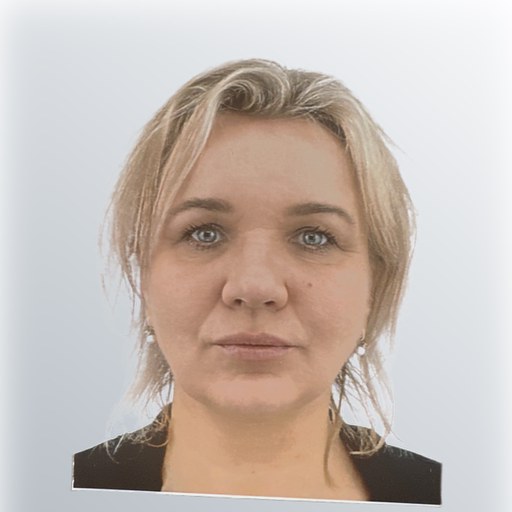


“He had been a little anxious before she arrived, but has since stated that he would be very happy for her to care for him again”
Every carer has had an enhanced DBS check in the last 18 months, ID and right-to-work checks and an online interview. Their skills and training are for you to check with them. Carers set their own rates, and who is free changes week to week.