CQC report explained · a nursing home
What the CQC found at Flowerdown Care Home
Rated Good: inspectors found the home performing well and meeting their expectations.
What inspectors found, May 2022
Flowerdown Care Home is rated Requires Improvement; inspectors found kind care but serious shortfalls in staffing, medicines, cleanliness and records.
Inspectors visited without notice on 29 March, 1 April and 14 April 2022. They spoke with people living in the home, relatives, staff and health professionals, and reviewed care records, medicines, staffing and the building.
People were generally treated kindly and respectfully. Inspectors found positive work with health professionals and very good feedback about end of life care. People and relatives said they felt safe and could raise concerns.
However, medicines records were incomplete, some medicines and equipment were not safely managed, and the home was not always clean. Staffing levels did not always meet people's needs. Records and risk assessments were not consistently accurate or up to date.
The overall rating and four of the five areas are Requires Improvement. Caring is rated Good. This means the home was not consistently meeting the required standards, and the provider must make improvements that CQC will monitor.
Kind and respectful care
People and relatives generally said staff were kind, caring and respectful. Inspectors also saw cheerful and positive interactions.
“Overall people told us staff were kind, caring and friendly and we observed interactions where staff engaged with people in a cheerful and positive manner.” from the report
End of life support
The nursing team worked with health professionals to help people have a comfortable and pain-free death. Feedback about this care was very positive.
“The registered nursing team worked with local health care professionals to ensure that people had a comfortable and pain free death.” from the report
Links with health professionals
Staff sought advice from a range of specialist health professionals, and inspectors found examples of positive health outcomes.
“Staff sought the specialist advice of a range of health care professionals such as the palliative care team, tissue viability nurses, speech and language therapists and the community mental health team.” from the report
Food preparation
The food was generally well received. The chef provided a range of foods and took steps to make meals appealing for people with different needs.
“The food served looked appetising.” from the report
Medicines were not always safe
seriousThere were gaps in medicines administration records, expired or poorly labelled medicines, and incomplete guidance for some medicines given when needed. Inspectors could not always be assured that people had received medicines as prescribed.
“We could not be assured that these people had received their medicines as prescribed.” from the report
Staffing levels
seriousStaff and relatives described delays and rushed care. Inspectors found that planned staffing levels did not always provide enough time to meet people's needs or support activities.
“The provider had not ensured that there were always sufficient numbers of staff deployed to meet people's needs.” from the report
Cleanliness and infection risks
seriousSeveral areas and items were dirty or worn, including communal rooms, equipment and a suction machine. Cleaning records had gaps, so inspectors could not confirm that planned cleaning was taking place.
“The systems in place for keeping the premises clean and hygienic required improvement.” from the report
Risks were not managed consistently
seriousSome people's care plans did not clearly describe their risks or required care. Inspectors found examples involving eating at risk, weight loss, call bells, choking and catheter care.
“Systems to manage risk were not sufficiently robust. This placed people at risk of harm.” from the report
Building needed repair
seriousThe interior was damaged, dirty and worn, and one lift had been out of order for at least five months. The home had refurbishment plans, but inspectors could not yet confirm that the premises were adequately maintained.
“The interior of the home was not maintained or decorated to an acceptable standard.” from the report
Records and oversight
seriousCare, treatment and staff records were incomplete, inaccurate or difficult to find. Audits and action plans had not been effective in resolving known problems.
“The systems in place were not being effective at ensuring compliance with the fundamental standards.” from the report
- 01What has been done to prevent gaps in medicines records and to check medicines, blood glucose strips and topical creams are safe and in date?
- 02What staffing levels are now in place on each shift, and how are call-bell response times and missed care monitored?
- 03What cleaning work has been completed, including the suction machine, communal bathrooms, sluice room and high-touch areas?
- 04Has the lift been repaired, and what other repairs or refurbishment have been completed since the inspection?
- 05How are personalised care plans, risk assessments and daily records now checked for accuracy and completeness?
This was an unannounced comprehensive inspection covering all five key questions and infection prevention and control; it was the first inspection of the newly registered service under the current provider. This explanation was written from the published report of 21 May 2022 by an AI system and checked against the report text: every quoted line appears in the report. It is a guide to the report, not a substitute for it. Read the full report on cqc.org.uk. The report was longer than we could read in one go; the later sections may not be reflected.
Every inspection of Flowerdown Care Home
3 rated inspections over 7 years: the service has slipped, from Good to Requires improvement.
- May 2022Requires improvementcurrent ratingdown from GoodSafe: Requires improvementEffective: Requires improvementCaring: GoodResponsive: Requires improvementWell-led: Requires improvement
- March 2018Goodstayed GoodSafe: GoodEffective: GoodCaring: GoodResponsive: OutstandingWell-led: Good
- January 2015GoodSafe: GoodEffective: GoodCaring: GoodResponsive: GoodWell-led: Good
- April 2020
Registered with the Care Quality Commission on 7 April 2020.
Ratings and report dates from the Care Quality Commission, Open Government Licence v3.0. A home can also be visited without a new rating being published, so the timeline shows published inspections.
Weigh the report against the rest
Fees, photos and reviews from families
How to read CQC ratings and reports
What to check when you visit
26 live-in carers within about an hour of Hampshire
These are self-employed carers on PrimeCarers, the introductory agency that runs this directory. Each has a profile with their own rates and reviews from families, and you choose who to talk to.
Most charge £1,020 to £1,260 a week. 23 can care for a couple. 14 years' experience on average.
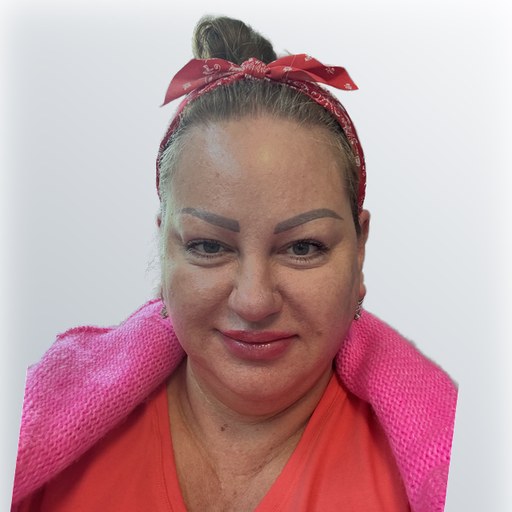



“I cannot recommend Prisca highly enough, she is one in a million.”
“He stayed with her throughout the pandemic, refusing to visit his own family, who lived nearby, to reduce the risk of infection.”
Every carer has had an enhanced DBS check in the last 18 months, ID and right-to-work checks and an online interview. Their skills and training are for you to check with them. Carers set their own rates, and who is free changes week to week.