CQC report explained · a residential care home
What the CQC found at Fairfield House
Rated Good: inspectors found the home performing well and meeting their expectations.
- Safe?
- Good
- Staff understood people's anxieties, triggers and safeguarding responsibilities. Medicines were managed safely overall, but staff did not consistently record whether PRN medicines had been effective.
- Effective?
- Good
- People were supported with healthy eating, exercise, healthcare and daily living skills. Staff training was updated regularly and people's needs were reviewed in detail.
- Caring?
- Good
- Staff treated people with kindness, dignity and respect. They used different communication methods and encouraged people to make choices and do as much as possible for themselves.
- Responsive?
- Outstanding
- Support was strongly tailored to each person's interests, communication style and goals. People were supported with activities, holidays, voluntary work, relationships and community involvement.
- Well-led?
- Good
- The home had an open, person-centred culture and effective quality checks. People, relatives, staff and professionals were consulted about the service.
What inspectors found, April 2020
Fairfield House was rated Good; inspectors found highly personalised, exceptionally responsive support, with some PRN medicines records not complete.
This was an unannounced inspection of the care home. One inspector spoke with people and staff, observed staff interactions, checked care and medicines records, and spoke with relatives after the visit.
The home was rated Good overall. Safe, Effective, Caring and Well-led were all rated Good. Responsive was rated Outstanding, an improvement from Good at the previous inspection in September 2017.
Inspectors found staff knew people very well and supported their choices, communication, independence and community involvement. People were helped to develop skills, take part in activities and maintain relationships.
Medicines were generally managed safely. However, staff did not always record whether medicines given when needed had worked. The manager said this recording would be introduced after the inspection.
Personalised communication
Staff understood how each person communicated, including through signs, pictures and objects. This helped people express their wishes and have more control over their lives.
“Staff had a comprehensive understanding of these methods which included signs, pictures and objects of reference.” from the report
Meaningful activities
People were supported to take part in hobbies, community activities, voluntary work and employment. Staff adapted activities to make them interesting and achievable for each person.
“People received exceptional support from staff who worked effectively as a team to engage people in activities, hobbies, community contact and voluntary employment.” from the report
Independence
Staff encouraged people to build daily living skills and make choices. They supported people step by step rather than taking over tasks.
“People were supported to do as much for themselves as possible.” from the report
Safe staffing
Inspectors found there were enough staff to meet people's needs safely. Recruitment checks and staff training were also described as robust.
“There were enough staff to meet people's needs safely.” from the report
PRN medicines records
needs fixingStaff understood when people needed medicines given when required, but they did not always record whether the medicine had worked. The manager said staff had been asked to record this after the inspection.
“Staff understood when people required these but did not consistently record whether they had been effective or not.” from the report
- 01How do you now record whether a PRN medicine has worked, and how is this checked?
- 02How will you learn the person's communication methods and recognise signs of anxiety before providing support?
- 03How are people's interests used when planning activities, community visits, voluntary work or holidays?
- 04How will you involve the person in developing their daily living skills and making choices?
- 05How are relatives and professionals kept involved in reviews of the person's care?
This was a planned, unannounced inspection covering all five key questions, with records, observations, staff views and relatives' feedback considered. This explanation was written from the published report of 22 April 2020 by an AI system and checked against the report text: every quoted line appears in the report. It is a guide to the report, not a substitute for it. Read the full report on cqc.org.uk.
What inspectors found, September 2017
Rated Good; inspectors found kind, personalised care, with a small risk in medicine records.
This was an unannounced inspection on 16 August 2017. The home supported three people at the time, with space for up to four people with complex needs. Inspectors observed care, spoke with people, relatives, staff and outside professionals, and checked records, medicines, staffing and the premises.
Inspectors found people were safe, treated with kindness and supported to make choices. Staff understood people's needs, communication methods and behaviour support plans. People had access to healthcare, activities, visitors and personalised support plans.
All five areas were rated Good: Safe, Effective, Caring, Responsive and Well-led. The home had also been rated Good at its previous inspection in August 2015. Inspectors found one potential risk because some handwritten medicine record entries had not been signed or witnessed.
Kind and respectful care
Staff spent time with people, respected their boundaries and supported them without unnecessarily limiting their independence.
“People were treated with kindness, compassion and respect.” from the report
Personalised communication
Support plans were written around each person and included guidance on communication, choices and daily support. Staff used pictures, symbols and other tools where needed.
“The service had put together comprehensive, picture led support plans and information for people about their lives at Fairfield.” from the report
Good staff preparation
New staff received a two-week classroom induction, followed by an induction in the home and shadowing with experienced staff. Ongoing supervision and training were also in place.
“New staff completed a thorough two week training induction process in a classroom setting.” from the report
Choice and community life
People were supported to choose activities and meals, use local facilities, take part in work and attend appointments and social events.
“The service was flexible and responsive to people's individual needs and preferences and was consistently finding creative ways to enable people to live as full a life as possible.” from the report
Unsigned medicine entries
needs fixingTwo handwritten entries on medicine administration records had not been signed by staff or witnessed by a second member of staff. Inspectors said this created a potential risk of medicine errors.
“This meant there was a potential risk of errors and people might not receive their medicines safely.” from the report
- 01How do you now make sure every handwritten medicine entry is signed and witnessed when required?
- 02How are each person's communication methods recorded and shared with new staff?
- 03How will my relative be involved in reviewing their support plan and choosing activities and meals?
- 04How will you keep me informed about changes to my relative's health or support plan?
- 05How can my relative make a complaint or give feedback using the home's easy-read methods?
This was an unannounced inspection of the overall service and all five CQC areas, including observations, discussions with people and others, and checks of care, staffing, medicines and management records. This explanation was written from the published report of 14 September 2017 by an AI system and checked against the report text: every quoted line appears in the report. It is a guide to the report, not a substitute for it. Read the full report on cqc.org.uk.
Every inspection of Fairfield House
3 rated inspections over 5 years: the service has held its Good rating throughout.
- April 2020Goodcurrent ratingstayed GoodSafe: GoodEffective: GoodCaring: GoodResponsive: OutstandingWell-led: Good
- September 2017Goodstayed GoodSafe: GoodEffective: GoodCaring: GoodResponsive: GoodWell-led: Good
- September 2015GoodSafe: GoodEffective: GoodCaring: GoodResponsive: GoodWell-led: Good
- November 2013
Report published without a new overall rating.
- January 2013
Report published without a new overall rating.
- March 2012
Report published without a new overall rating.
- December 2010
Registered with the Care Quality Commission on 22 December 2010.
Ratings and report dates from the Care Quality Commission, Open Government Licence v3.0. A home can also be visited without a new rating being published, so the timeline shows published inspections.
Weigh the report against the rest
Fees, photos and reviews from families
How to read CQC ratings and reports
What to check when you visit
10 live-in carers within about two hours of Cornwall
These are self-employed carers on PrimeCarers, the introductory agency that runs this directory. Each has a profile with their own rates and reviews from families, and you choose who to talk to.
Most charge £980 to £1,200 a week. 8 can care for a couple. 12 years' experience on average.

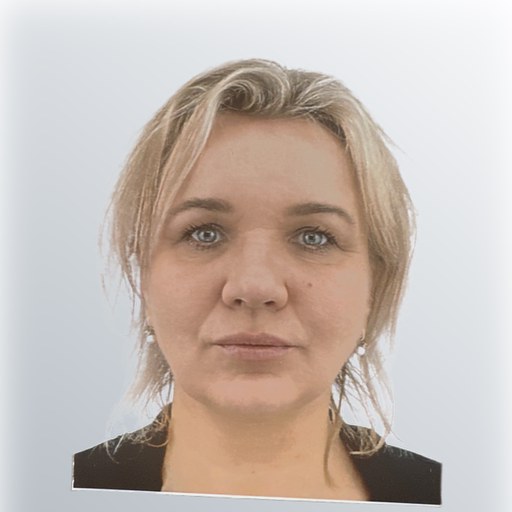
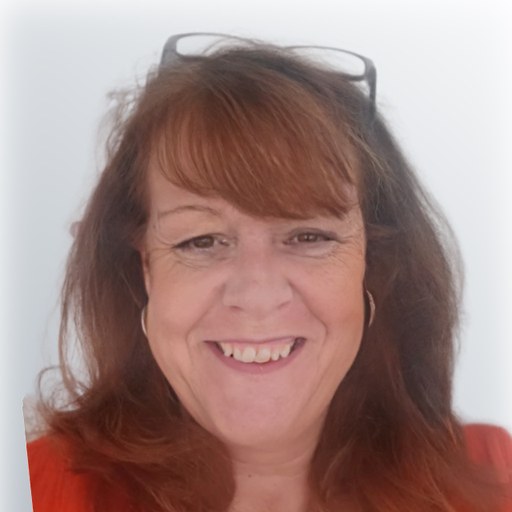
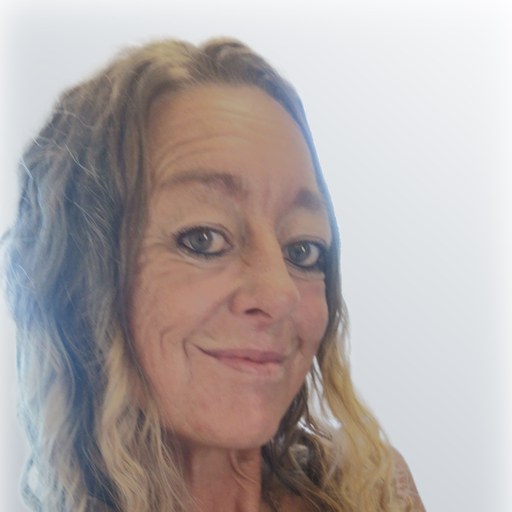
“He had been a little anxious before she arrived, but has since stated that he would be very happy for her to care for him again”
Every carer has had an enhanced DBS check in the last 18 months, ID and right-to-work checks and an online interview. Their skills and training are for you to check with them. Carers set their own rates, and who is free changes week to week.