CQC report explained · a residential care home
What the CQC found at Brunswick House
Rated Good: inspectors found the home performing well and meeting their expectations.
- Safe?
- Good
- People told inspectors they felt safe. Risk assessments were up to date, staffing levels were flexible, medicines were given as prescribed, and incidents were monitored.
- Effective?
- Good
- Staff understood people's complex needs and had completed relevant training. People's health needs, food preferences and legal safeguards were supported.
- Caring?
- Good
- Staff were patient, respectful and understanding. People were supported to make choices and develop their independence.
- Responsive?
- Good
- Care was personalised around people's preferences, routines and communication needs. People were supported with activities, family relationships and involvement in care reviews.
- Well-led?
- Good
- The manager was well supported and had made a positive impact. Audits, meetings and action plans were used to identify and make improvements.
What inspectors found, October 2018
Rated Good; inspectors found safe, kind and personalised care, with improvements since the previous inspection.
Inspectors carried out an unannounced visit on 3 October 2018. They spoke with all three people living in the home, staff, visiting professionals and a relative. They also checked care plans, medicines, staff files, incident records and quality checks.
The home was rated Good in all five areas: Safe, Effective, Caring, Responsive and Well-led. Inspectors found that people felt safe, received their medicines correctly, and were supported by enough trained staff.
Staff understood people's needs and supported their independence, relationships, activities and choices. The home was clean, care plans were detailed, and the manager and provider had improved monitoring and oversight.
The previous inspection in December 2016 rated the service Requires Improvement overall. Inspectors said improvements had been made, including staff knowledge, training, quality audits and reporting of incidents.
Safe staffing and medicines
Inspectors found enough staff to meet people's needs and support activities and appointments. Medicines were stored safely and given as prescribed.
“People received their medication at the right time and there was sufficient staff on duty to keep people safe and to meet their needs in a personalised way.” from the report
Kind, respectful support
Staff were seen treating people with patience, dignity and understanding. People appeared relaxed and had good relationships with staff.
“Throughout the inspection, we observed staff interacting with people with patience and understanding and comforting people if they were worried about anything.” from the report
Personalised care and independence
People were supported to make choices, learn daily living skills and take part in activities they enjoyed. Their care plans reflected how they wanted to be supported.
“People were supported to be as independent as possible and told us that they had learnt new skills at the home.” from the report
Family involvement
People and relatives were involved in care reviews where possible. Staff also helped people maintain important family relationships.
“Staff worked hard to help people maintain and improve relationships with their families.” from the report
Improved management
The provider had introduced regular audits and governance meetings. Inspectors found evidence that identified actions, such as repairs and staff training, were completed.
“We saw that the registered provider now had a wide range of audits and checks to monitor the quality and safety of the service.” from the report
Inspectors raised no specific concerns in this report.
- 01How do you support each person to take positive risks while keeping them safe?
- 02How do you check that medicines are given correctly, and can people self-medicate where appropriate?
- 03What training and supervision do staff receive to support people with complex needs and behaviour?
- 04How do you make sure information is provided in the communication format each person understands?
- 05How are incidents, complaints and audit findings reviewed, and how do you make sure agreed actions are completed?
This was an unannounced inspection covering all five CQC questions and the overall quality and safety of the home. This explanation was written from the published report of 31 October 2018 by an AI system and checked against the report text: every quoted line appears in the report. It is a guide to the report, not a substitute for it. Read the full report on cqc.org.uk.
What inspectors found, December 2016
Brunswick House was rated Requires Improvement; inspectors found safe, kind and responsive care, but staff support and management checks were not reliable.
This was an unannounced inspection on 28 October 2016. One inspector spoke with two people, two care staff and the manager. They checked care records, medicines records, staff recruitment and training files, and quality checks.
The home was rated Good for Safe, Caring and Responsive. People told inspectors they felt safe, were treated kindly, had choices, and were supported with activities, healthcare and relationships that mattered to them. Medicines were managed safely and there were enough staff.
The home was rated Requires Improvement for Effective and Well-led. Staff did not always receive regular training or supervision. Staff knowledge about Deprivation of Liberty Safeguards was inconsistent. Some safeguarding incidents had not been reported, and quality checks were not completed consistently. The overall rating remained Requires Improvement, although the previous inspection had also received that rating and some earlier concerns had been addressed.
Safety and medicines
People felt safe, risks were managed and medicines were given safely. The records checked showed that medicines had been received as prescribed.
“Medications were given in a safe way.” from the report
Kind and respectful care
Staff built friendly relationships, offered choices and respected privacy and dignity.
“People were supported by staff who involved them in their care and treated them with dignity.” from the report
Personalised support
People helped plan and review their care. Staff knew their likes, dislikes and care preferences.
“People were involved in the planning and review of their care.” from the report
Safeguarding reports
seriousSome incidents that should have been reported to the local authority safeguarding team and the CQC had not been reported in the proper way.
“Incidents that would need to be reported to the local authority safeguarding team and Care Quality Commission had not been reported.” from the report
Staff training and supervision
needs fixingTraining records did not show that all staff had received the required training, and supervision was not consistent. One staff member had also requested training that had not been provided.
“Staff did not have access to regular training and supervision to ensure they could support people effectively.” from the report
Understanding legal safeguards
needs fixingStaff did not always know which people had Deprivation of Liberty Safeguards authorisations or how to follow their conditions.
“Staff did not always understand how they should support people in line with their Deprivation of Liberty safeguards.” from the report
Inconsistent quality checks
needs fixingAudits of areas such as infection control and medicines were not completed consistently. This meant the provider could miss areas needing improvement.
“Without undertaking audits consistently, the provider would be unable to determine any areas for improvement.” from the report
No registered manager
needs fixingThere had been no registered manager for the previous four months. A new manager was in post and was applying to register.
“There had been no registered manager in post for the previous four months.” from the report
- 01Have all current staff now completed the training they need, and how are refresher dates tracked?
- 02How often do staff receive supervision, and what happens when a staff member asks for extra training?
- 03How do you make sure staff know which people have Deprivation of Liberty Safeguards and what conditions they must follow?
- 04How are safeguarding incidents identified and reported to the local authority and the CQC?
- 05How often are medicines and infection control audits completed, and how are missed checks followed up?
This was an unannounced inspection covering all five key questions, with checks of care records, medicines, staff files and quality audits. This explanation was written from the published report of 6 December 2016 by an AI system and checked against the report text: every quoted line appears in the report. It is a guide to the report, not a substitute for it. Read the full report on cqc.org.uk.
Every inspection of Brunswick House
3 rated inspections over 3 years: the service has improved, from Requires improvement to Good.
- October 2018Goodcurrent ratingup from Requires improvementSafe: GoodEffective: GoodCaring: GoodResponsive: GoodWell-led: Good
- December 2016Requires improvementstayed Requires improvementSafe: GoodEffective: Requires improvementCaring: GoodResponsive: GoodWell-led: Requires improvement
- January 2016Requires improvementSafe: Requires improvementEffective: GoodCaring: GoodResponsive: GoodWell-led: Requires improvement
- August 2014
Report published without a new overall rating.
- February 2014
Report published without a new overall rating.
- May 2012
Registered with the Care Quality Commission on 30 May 2012.
Ratings and report dates from the Care Quality Commission, Open Government Licence v3.0. A home can also be visited without a new rating being published, so the timeline shows published inspections.
Weigh the report against the rest
Fees, photos and reviews from families
How to read CQC ratings and reports
What to check when you visit
At least 100 live-in carers within about an hour of Sandwell
These are self-employed carers on PrimeCarers, the introductory agency that runs this directory. Each has a profile with their own rates and reviews from families, and you choose who to talk to.
Most charge £950 to £1,190 a week. 87 can care for a couple. 9 years' experience on average.


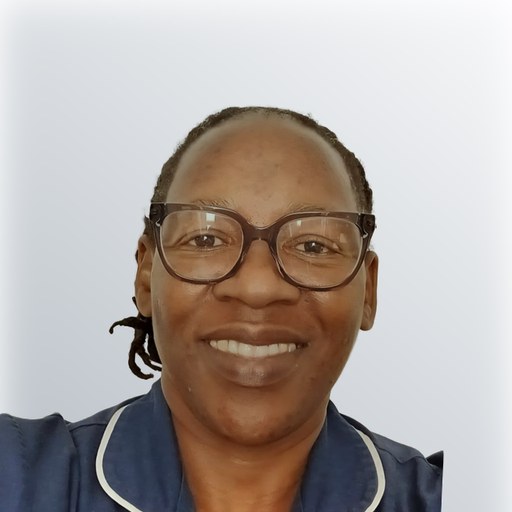

“God doesn't make people like her anymore!”
“Knowing Mum was in Corina's care made an enormous difference to us and we knew she was in safe hands.”
Every carer has had an enhanced DBS check in the last 18 months, ID and right-to-work checks and an online interview. Their skills and training are for you to check with them. Carers set their own rates, and who is free changes week to week.