CQC report explained · a residential care home
What the CQC found at Brendon Lodge
Rated Good: inspectors found the home performing well and meeting their expectations.
What inspectors found, April 2019
Brendon Lodge rated Good; inspectors found kind, person-centred care, with improvements needed in incident learning and recording some people's diverse needs.
Inspectors visited the home without warning on 5 and 6 March 2019. They observed care, spoke with people, relatives and staff, and checked care plans, medicines, recruitment records, complaints, incidents and quality checks.
The home was rated Good in all five areas: Safe, Effective, Caring, Responsive and Well-led. Inspectors found enough staff, safe medicines systems, good training, respectful care and support that helped people make choices, stay independent and take part in activities.
There were some areas to improve. Learning from accidents and incidents was not always clearly recorded or shared with staff. Records did not fully show all protected characteristics or one person's cultural needs, and it was not always clear what action followed feedback from surveys.
Promoting independence
People were supported to make choices, take positive risks and develop everyday skills such as cooking, cleaning and laundry.
“People were encouraged to be independent within their home.” from the report
Safe staffing and medicines
Inspectors saw enough staff to meet people's needs. Medicines were stored, administered and checked through suitable systems.
“There were sufficient staff to meet people's needs and keep them safe.” from the report
Kind and respectful care
Staff knew people well and supported their privacy, dignity, communication and personal choices.
“We saw positive interactions between staff and people and a warm and caring approach by staff.” from the report
Personalised activities
People were supported to take part in activities they chose, both at home and in the community. Staff respected decisions not to join in.
“People were supported to do activities of their choice.” from the report
Management oversight
The manager and provider used audits, meetings and feedback to monitor the service and identify improvements.
“The provider had robust quality assurance procedures to help drive ongoing improvements within the service.” from the report
Incident learning was not always recorded
needs fixingAlthough incidents were investigated and action was taken, the home did not clearly record or share all learning with staff. Inspectors made a recommendation for improvement.
“However, this learning, and the sharing of this learning, was not clearly evidenced.” from the report
Some diverse needs were not fully recorded
minorOne person's cultural needs were not fully set out in their care plan. Inspectors also said it was unclear whether all protected characteristics were included in needs assessments.
“Whilst there was some evidence that people's diverse needs were known and supported by staff it was not clear that all protected characteristics were included in the needs assessments.” from the report
Follow-up from feedback was not always clear
minorThe provider collected and analysed feedback, but records did not always show what actions had been identified and completed in response.
“Although there was evidence of analysis taking place it was not always clear to see what actions had been identified and taken in response to the feedback.” from the report
Service size was outside guidance
minorThe home was registered for nine people, while the guidance referred to small services usually supporting six people or fewer. Inspectors said its design and approach reflected the principles of that guidance.
“The principles of Registering the Right Support recommend small services (usually supporting six people or less).” from the report
- 01How do you now record and share learning from accidents and incidents with all staff?
- 02How are each person's cultural needs and other diverse needs recorded in their care plan?
- 03When families and residents give feedback, how do you record the actions taken and report back on them?
- 04How will you support my relative to make everyday choices and build independence?
- 05What activities outside the home would be available and suited to my relative's interests?
This was an unannounced scheduled inspection of the care home, covering the premises and care provided and assessing all five CQC questions. This explanation was written from the published report of 24 April 2019 by an AI system and checked against the report text: every quoted line appears in the report. It is a guide to the report, not a substitute for it. Read the full report on cqc.org.uk.
What inspectors found, January 2017
Rated Good; inspectors found safe, kind and personalised care, with some quality checks and records needing improvement.
The inspection was unannounced and took place on 24 October 2016. Two inspectors observed care, spoke with people, relatives, the manager and staff, and checked care records, medicines, recruitment files, incidents and quality audits.
The inspectors found good care in all five areas. People appeared comfortable and happy. Staff understood people's needs, supported their choices and independence, managed risks and medicines safely, and helped people stay healthy and active.
There were some shortfalls, but no breach of regulations was reported. The inspectors recommended improvements to quality audits and records, including medicines checks, an out-of-date care plan and follow-up information for some body maps.
Kind and respectful care
Inspectors saw people looking comfortable, relaxed and happy. Staff spoke gently and respectfully and understood people's ways of communicating.
“The interactions between staff and people were positive.” from the report
Safe staffing and risk support
There were enough staff to meet people's needs safely. Staff understood safeguarding and individual risks, while still supporting choice and independence.
“There were sufficient staff numbers to meet people's needs safely.” from the report
Personalised support
Care records gave detailed information about how each person wanted to be supported. Staff knew people's routines, preferences and communication methods.
“People received personalised care, which was responsive to their specific needs.” from the report
Activities and community life
People were supported to take part in activities inside the home and in the community, including shopping, swimming, walks and eating out.
“People were supported to lead a full and active lifestyle.” from the report
Quality checks
needs fixingSome quality assurance checks were not completed reliably or promptly. The report recommended a review of the auditing process.
“Some quality assurance mechanisms in the medicines checking process needed attention to ensure they were correctly and reliably completed.” from the report
Care records
minorOne person's care plan was being updated and contained some out-of-date information. Staff still knew the person's needs and provided personalised support.
“One person's file was in the process of being updated but contained some out of date information.” from the report
Staff supervision
minorStaff received regular supervision, but not always as often as the provider's policy required. The provider was reviewing its policy.
“Supervision was provided on a regular basis, but not always in line with the provider's policy of every eight weeks.” from the report
- 01How have you improved the medicines checker forms since inspectors found they were not always completed?
- 02How do you now make sure all medicine protocols are current and removed when medicines are no longer given?
- 03How do you check that every person's care plan is up to date?
- 04How often do staff now receive supervision, and does this follow your current policy?
- 05What action do you take when body maps or other records do not clearly show follow-up actions?
This was an unannounced inspection covering all five key questions and the overall quality and safety of the home. This explanation was written from the published report of 12 January 2017 by an AI system and checked against the report text: every quoted line appears in the report. It is a guide to the report, not a substitute for it. Read the full report on cqc.org.uk.
Every inspection of Brendon Lodge
2 rated inspections over 2 years: the service has held its Good rating throughout.
- April 2019Goodcurrent ratingstayed GoodSafe: GoodEffective: GoodCaring: GoodResponsive: GoodWell-led: Good
- January 2017GoodSafe: GoodEffective: GoodCaring: GoodResponsive: GoodWell-led: Good
- January 2014
Report published without a new overall rating.
- April 2013
Report published without a new overall rating.
- January 2013
Report published without a new overall rating.
- March 2011
Report published without a new overall rating.
- December 2010
Registered with the Care Quality Commission on 31 December 2010.
Ratings and report dates from the Care Quality Commission, Open Government Licence v3.0. A home can also be visited without a new rating being published, so the timeline shows published inspections.
Weigh the report against the rest
Fees, photos and reviews from families
How to read CQC ratings and reports
What to check when you visit
26 live-in carers within about an hour of Hampshire
These are self-employed carers on PrimeCarers, the introductory agency that runs this directory. Each has a profile with their own rates and reviews from families, and you choose who to talk to.
Most charge £1,020 to £1,260 a week. 23 can care for a couple. 14 years' experience on average.
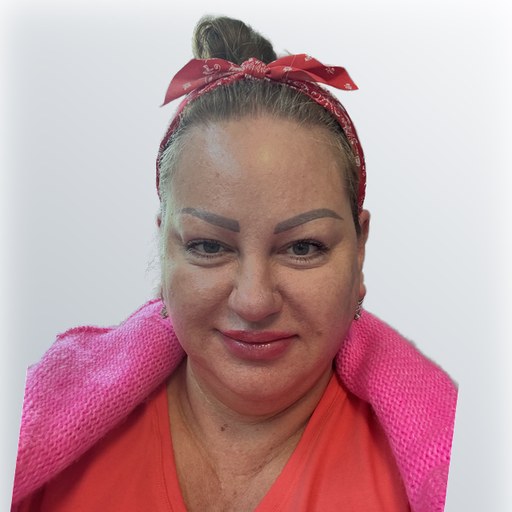



“I cannot recommend Prisca highly enough, she is one in a million.”
“He stayed with her throughout the pandemic, refusing to visit his own family, who lived nearby, to reduce the risk of infection.”
Every carer has had an enhanced DBS check in the last 18 months, ID and right-to-work checks and an online interview. Their skills and training are for you to check with them. Carers set their own rates, and who is free changes week to week.