CQC report explained · a residential care home
What the CQC found at Brackenlea Care Home
Rated Requires improvement: inspectors found the home was not performing as well as it should and told it what to change.
What inspectors found, June 2018
Rated Good; inspectors found safe, kind and personalised care, with improvements since the previous inspection.
This was an unannounced comprehensive inspection on 2 and 9 May 2018. Inspectors spoke with people living in the home, relatives, staff and a healthcare professional. They reviewed care plans, medicines records, staff files, complaints, incidents and quality checks.
The home was rated Good in all five areas: Safe, Effective, Caring, Responsive and Well-led. Inspectors found suitable medicines systems, enough trained staff, personalised care, good support with food and health needs, and a clear management structure.
The home had previously been rated Requires Improvement and had breached regulations about medicines and record keeping. Inspectors found sustained improvements, including more accurate care records and safer medicines management.
Safer medicines
The home had improved how medicines were ordered, stored, given and disposed of. Medicines were kept securely and people's as-required medicines had clearer plans.
“Suitable arrangements were in place for obtaining, storing, administering and disposing of medicines.” from the report
Personalised care
Care plans included people's histories, preferences, routines and wishes about independence. Staff adapted care when people's needs changed.
“People's care plans reflected the personalised care they received.” from the report
Kind and respectful staff
People told inspectors that staff were caring. Staff protected privacy and dignity during personal care and supported important relationships.
“Staff supported people with their personal care in a discrete manner and away from communal areas.” from the report
Good staffing and training
Inspectors found enough suitably skilled staff. Staff had induction, supervision and training relevant to people's needs, including dementia and end-of-life care.
“There were enough suitably skilled and qualified staff to meet people's needs.” from the report
Improved records and oversight
Records had improved since the earlier inspection and reflected people's current needs. Managers used audits, meetings and feedback to identify and track improvements.
“People's records were complete and reflected their current needs.” from the report
Inspectors raised no specific concerns in this report.
- 01How do you now check that medicines, including as-required medicines, remain safely managed?
- 02How do you decide staffing levels during busy times, and how quickly can staff respond to call bells?
- 03How are care plans reviewed when a person's health, behaviour or mobility changes?
- 04How are people's end-of-life wishes recorded and shared with relatives and healthcare professionals?
- 05What activities and dementia-friendly adaptations are currently available for my relative?
This was an unannounced comprehensive inspection covering all five key questions; the report says the previous inspection had found Requires Improvement and breaches relating to medicines and record keeping. This explanation was written from the published report of 27 June 2018 by an AI system and checked against the report text: every quoted line appears in the report. It is a guide to the report, not a substitute for it. Read the full report on cqc.org.uk.
What inspectors found, April 2017
Rated Requires Improvement; inspectors found kind, personalised care, but unsafe medicines arrangements and incomplete records.
The unannounced inspection took place on 20 and 21 March 2017. Inspectors spoke with people living in the home, visitors, staff and healthcare professionals. They also reviewed five people's care records, risk assessments and medicines records.
People were generally treated kindly and with respect. Staff knew people well, offered choices and supported activities. There were enough staff, people were protected from abuse, and staff received relevant training. However, medicines were not stored, ordered or recorded safely.
Inspectors also found incomplete and inconsistent care, food, drink and medicines records. This could make it difficult for new or agency staff to know what care to provide. The overall rating was Requires Improvement. Caring and Responsive were rated Good, while Safe, Effective and Well-led were rated Requires Improvement.
Kind and respectful staff
Inspectors saw staff being patient, gentle and compassionate. People's privacy, dignity and personal preferences were respected.
“Staff were kind and patient with people, using gentle persuasion and encouragement to support them.” from the report
Enough staff
Staffing levels were based on people's needs. People said call bells were answered promptly and inspectors saw enough staff on duty.
“There were enough staff deployed to meet people's needs.” from the report
Personalised support
Staff knew people's likes, dislikes and routines. People were offered choices and encouraged to do as much as possible for themselves.
“People were involved in decisions about their care and were offered choices in all aspects of their daily life.” from the report
Activities and social contact
The home offered music, quizzes, arts and crafts, exercise, pet therapy and other events. People who preferred to stay in their rooms received individual time with staff.
“People were able to engage in different activities, such as music, quizzes or arts and crafts.” from the report
Medicines safety
seriousMedicine keys were kept in an unlocked cupboard. Temperature checks, allergy information, PRN guidance and topical medicine records were not reliable enough.
“The unsafe storage, ordering and administration of medicines were a breach of Regulation 12 of the Health and Social Care Act 2008 (Regulated Activities) 2014 relating to Safe care and treatment.” from the report
Incomplete care records
seriousCare plans and daily records did not always contain accurate, complete and up-to-date information. This created a risk that new or agency staff might provide the wrong care.
“People's records were not accurate, complete and contemporaneous. This was a breach of Regulation 17 of the Health and Social Care Act 2008 (Regulated Activities) 2014 relating to Good governance.” from the report
Food and drink records
needs fixingRecords did not clearly show what people had eaten or how much they had drunk. Inspectors found no impact on people at the time, but the records did not give enough assurance about nutrition and hydration.
“Food and fluid charts were not an accurate record of people's nutritional intake.” from the report
Dementia-friendly environment
minorThe home had some helpful signs and features, but it was not specifically tailored to the needs of people living with dementia.
“The home was comfortable with a pleasant atmosphere; however it had not been specifically tailored to the needs of people living with dementia.” from the report
- 01What changes have been made to keep medicine keys secure and to check medicine storage temperatures?
- 02How are allergies, PRN instructions and topical medicines now recorded and checked?
- 03How do you make sure care plans and daily records are complete and up to date, especially for new or agency staff?
- 04What changes have been made to the environment for people living with dementia?
- 05How do you check that food and fluid records accurately show what each person has eaten and drunk?
This was an unannounced inspection covering all five CQC questions, with records reviewed for five people using the home. This explanation was written from the published report of 27 April 2017 by an AI system and checked against the report text: every quoted line appears in the report. It is a guide to the report, not a substitute for it. Read the full report on cqc.org.uk.
Every inspection of Brackenlea Care Home
2 rated inspections over a year: the service has improved, from Requires improvement to Good.
- June 2018Goodcurrent ratingup from Requires improvementSafe: GoodEffective: GoodCaring: GoodResponsive: GoodWell-led: Good
- April 2017Requires improvementSafe: Requires improvementEffective: Requires improvementCaring: GoodResponsive: GoodWell-led: Requires improvement
- October 2015
Registered with the Care Quality Commission on 30 October 2015.
Ratings and report dates from the Care Quality Commission, Open Government Licence v3.0. A home can also be visited without a new rating being published, so the timeline shows published inspections.
Weigh the report against the rest
Fees, photos and reviews from families
How to read CQC ratings and reports
What to check when you visit
26 live-in carers within about an hour of Hampshire
These are self-employed carers on PrimeCarers, the introductory agency that runs this directory. Each has a profile with their own rates and reviews from families, and you choose who to talk to.
Most charge £1,020 to £1,260 a week. 23 can care for a couple. 14 years' experience on average.
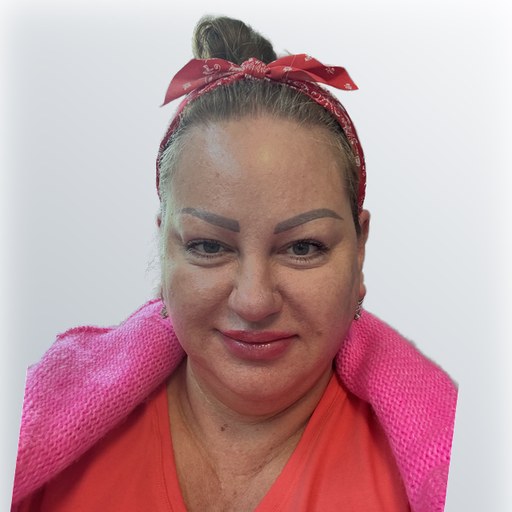



“I cannot recommend Prisca highly enough, she is one in a million.”
“He stayed with her throughout the pandemic, refusing to visit his own family, who lived nearby, to reduce the risk of infection.”
Every carer has had an enhanced DBS check in the last 18 months, ID and right-to-work checks and an online interview. Their skills and training are for you to check with them. Carers set their own rates, and who is free changes week to week.