CQC report explained · a nursing home
What the CQC found at Birchy Hill Care Home
Rated Good: inspectors found the home performing well and meeting their expectations.
- Safe?
- Good
- Inspectors were assured that infection prevention and control procedures were being followed. This included the use of protective equipment, testing, social distancing, cleaning and outbreak management.
- Effective?
- Good
- This question was not assessed in this targeted inspection.
- Caring?
- Good
- This question was not assessed in this targeted inspection.
- Responsive?
- Good
- This question was not assessed in this targeted inspection.
- Well-led?
- Good
- This question was not assessed in this targeted inspection, although inspectors said the infection prevention and control policy was up to date.
What inspectors found, September 2020
Inspected but not rated; inspectors were assured that infection control arrangements were keeping people safe.
This was an announced, targeted inspection on 18 August 2020. It looked only at infection prevention and control during the coronavirus pandemic.
Inspectors were assured that the home was managing visitors, social distancing, shielding, admissions, protective equipment and testing safely. They were also assured about cleaning, the building layout, outbreak planning and the infection control policy.
The home used appointments and outdoor visiting areas to manage visits. Each of the five units was treated separately, and staff worked on only one unit to reduce the risk of infection spreading.
The service was inspected but not rated. This report does not give an overall quality rating or ratings for care, staffing, responsiveness or management.
Managed visiting
Visits were arranged in advance and limited to manage numbers. Outdoor spaces were used for socially distanced visits, and people could also keep in touch through Skype.
“Visits to the home were by appointment only to manage numbers.” from the report
Separate units
The five units were run separately for infection control. Staff, including cleaning staff, worked on only one unit to reduce the risk of cross infection.
“Staff only worked on one unit, which included cleaning staff, to reduce risks of cross infection between units.” from the report
Support for vulnerable staff
Vulnerable staff were assessed and supported with their health needs. They could also ask to move to non-contact duties.
“Vulnerable staff were risk assessed and supported to manage any health conditions or to shield if required.” from the report
Infection control systems
Inspectors were assured that the home had arrangements for protective equipment, testing, safe admissions and managing possible outbreaks.
“We were assured that the provider was making sure infection outbreaks can be effectively prevented or managed.” from the report
Inspectors raised no specific concerns in this report.
- 01How have visiting arrangements changed since the inspection, and how are visits managed if there is an infection risk?
- 02Do staff still work on only one unit, including cleaning staff, to reduce the spread of infection?
- 03How does the home now test people using the service and staff when someone is admitted or develops symptoms?
- 04What protective equipment is available, and how do you check that staff use it safely?
- 05What is the home's current plan for preventing and managing an infection outbreak?
This was a targeted inspection of infection prevention and control during the coronavirus pandemic; it did not assess the other four key questions or give an overall rating. This explanation was written from the published report of 8 September 2020 by an AI system and checked against the report text: every quoted line appears in the report. It is a guide to the report, not a substitute for it. Read the full report on cqc.org.uk.
What inspectors found, December 2018
Rated Good; inspectors found kind, person-centred care, with some records and medicines storage needing attention.
This was an unannounced, comprehensive inspection on 18 and 19 October 2018. Inspectors spoke with people, relatives, staff and health professionals. They observed care and reviewed care records, medicines records, staff records, accident records and quality checks.
The home was rated Good in all five areas: Safe, Effective, Caring, Responsive and Well-led. Inspectors found enough staff, safe recruitment, generally effective medicines management, clean surroundings and good infection control. People were treated with kindness, dignity and respect.
Inspectors also found some areas to improve. Some risk assessments had not been reviewed monthly. Some diabetes care plans lacked clear information. Medicines storage became warm, and the home had not notified CQC about some possible safeguarding concerns. The home dealt with several issues during or shortly after the inspection.
Kind and respectful care
People and relatives spoke positively about staff. Inspectors observed warm interactions, patience and support for people's choices, privacy and dignity.
“People and relatives told us they found the staff to be kind, caring, professional, friendly and patient.” from the report
Person-centred support
Care plans included people's preferences, life histories and communication needs. Staff knew people well and adjusted care when needs changed.
“Care plans were written in a person-centred way and reflected people's individual preferences and needs.” from the report
Activities and social contact
The home offered a broad programme of individual and group activities, visits and events. Staff also supported people in their bedrooms to reduce social isolation.
“Activities were popular, varied and covered a wide range of interests and hobbies.” from the report
Good involvement of health professionals
Inspectors received positive feedback from health professionals. Records showed that staff sought advice and followed it when people's health needs changed.
“They said the staff always followed their advice given and staff were able to effectively communicate any changes in people's health to the health professionals involved.” from the report
Clean and accessible environment
The home was clean and well maintained. It had dementia-friendly signs, accessible gardens and areas designed to support orientation and independence.
“All areas of the home were clean, free from unpleasant odour with no visible dirt or dust.” from the report
Safeguarding notifications
needs fixingThe home had not notified CQC about some possible safeguarding concerns, although it had informed the local authority and taken action to protect people. Inspectors made a formal recommendation about this.
“For these incidents the registered manager had notified the local authority safeguarding team and had taken full and appropriate action to ensure people were kept safe and free from possible abuse but they had not notified CQC.” from the report
Risk assessments not always reviewed
needs fixingSome people's risk assessments had not been reviewed each month. Inspectors also asked the home to review whether bed rails were appropriate for every person.
“Some people's risk assessments had not been reviewed each month, staff told us these would be completed as soon as possible.” from the report
Warm medicine storage
needs fixingThe medicine trolley storage area reached up to 25 degrees Celsius. Eye drops were moved to a cooler area, and the provider said it would install heat extraction.
“We observed the storage area for the medicine trolleys became very warm, up to 25 degrees celsius, and it often stayed at this level which is just below the legal maximum temperature for safe storage of medicines.” from the report
Diabetes care plans
needs fixingSome diabetes care plans did not state each person's normal blood sugar range. Guidance about what staff should do during a low blood sugar event was vague.
“Guidelines for staff on how to respond in the event a person had a hypoglycaemic event were vague.” from the report
Clinical waste bag
needs fixingAn overflowing clinical waste bag was found in a sluice. It was removed immediately, and the provider later confirmed extra reminders and new bins would be used.
“The ground floor sluice had an overflowing yellow bag which is not safe practice.” from the report
- 01How do you now make sure every risk assessment is reviewed on time, including assessments about bed rails?
- 02What changes were made to keep medicines, including eye drops, at safe temperatures?
- 03How are diabetes care plans kept up to date with each person's normal blood sugar range and clear action for low blood sugar?
- 04How do you make sure all possible safeguarding concerns are notified to CQC as well as the local authority?
- 05How do current staffing levels compare with people's needs, especially on night shifts?
This was an unannounced comprehensive inspection covering all five key questions; the report says the Good rating continued from the previous inspection. This explanation was written from the published report of 14 December 2018 by an AI system and checked against the report text: every quoted line appears in the report. It is a guide to the report, not a substitute for it. Read the full report on cqc.org.uk.
Every inspection of Birchy Hill Care Home
2 rated inspections over 3 years: the service has held its Good rating throughout.
- September 2020Inspected but not ratedcurrent ratingSafe: Inspected but not rated
- December 2018Goodstayed GoodSafe: GoodEffective: GoodCaring: GoodResponsive: GoodWell-led: Good
- May 2016GoodSafe: GoodEffective: GoodCaring: GoodResponsive: GoodWell-led: Good
- November 2013
Report published without a new overall rating.
- April 2013
Report published without a new overall rating.
- July 2011
Report published without a new overall rating.
- March 2011
Report published without a new overall rating.
- December 2010
Registered with the Care Quality Commission on 9 December 2010.
Ratings and report dates from the Care Quality Commission, Open Government Licence v3.0. A home can also be visited without a new rating being published, so the timeline shows published inspections.
Weigh the report against the rest
Fees, photos and reviews from families
How to read CQC ratings and reports
What to check when you visit
26 live-in carers within about an hour of Hampshire
These are self-employed carers on PrimeCarers, the introductory agency that runs this directory. Each has a profile with their own rates and reviews from families, and you choose who to talk to.
Most charge £1,020 to £1,260 a week. 23 can care for a couple. 14 years' experience on average.
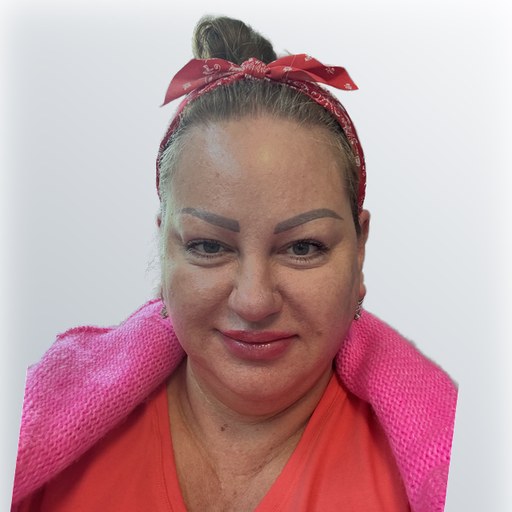



“I cannot recommend Prisca highly enough, she is one in a million.”
“He stayed with her throughout the pandemic, refusing to visit his own family, who lived nearby, to reduce the risk of infection.”
Every carer has had an enhanced DBS check in the last 18 months, ID and right-to-work checks and an online interview. Their skills and training are for you to check with them. Carers set their own rates, and who is free changes week to week.