CQC report explained · a residential care home
What the CQC found at Bigwig House
Rated Good: inspectors found the home performing well and meeting their expectations.
- Safe?
- Good
- Inspectors found effective safeguarding, risk assessments, safe staffing and safe medicines systems. The home was clean and equipment and utilities were checked.
- Effective?
- Good
- People had appropriate assessments, trained staff, healthcare support and help with nutrition. The rating improved from Requires Improvement because the provider acted on previous Mental Capacity Act guidance.
- Caring?
- Outstanding
- Staff were exceptionally compassionate and understood people's complex needs and communication. Inspectors found that people were treated with kindness, dignity and respect and supported to reach their potential.
- Responsive?
- Good
- Care plans were personalised and regularly reviewed. People were supported with communication, relationships, hobbies, community activities, work, volunteering and holidays.
- Well-led?
- Good
- Managers had strong oversight and staff worked as a supportive team. Quality checks, staff communication and feedback systems were in place to identify and address improvements.
What inspectors found, October 2019
Bigwig House was rated Good overall, with Outstanding care, and inspectors found kind, skilled support that helped people live more independently.
This was an unannounced planned inspection. One inspector met everyone living at the home, spoke with staff and managers, and reviewed care, medicines, recruitment, training and management records. After the visit, inspectors also spoke with staff, relatives and healthcare professionals.
The home supported three people with autism. Inspectors found that staff knew people very well and provided highly personal care. People were supported to make choices, build skills, take part in activities, maintain relationships and access work, volunteering, holidays and healthcare.
The home was rated Good for Safe, Effective, Responsive and Well-led. Caring was rated Outstanding. Effective improved from Requires Improvement at the previous inspection, while the other ratings stayed the same. The report also says the home used some restrictive practices as a last resort, with these reviewed to make sure they were necessary and least restrictive.
Exceptionally kind care
Inspectors saw compassionate support and strong, trusting relationships between people and staff. Relatives and professionals also described the care very positively.
“The care and support people received was exceptionally compassionate and kind.” from the report
Building independence
Staff helped people try new activities and develop skills. Inspectors described achievements including cycling, climbing Snowdon, work, volunteering and community participation.
“Staff enabled people to live as fulfilling live as possible and achieve the best possible outcomes.” from the report
Personalised support
Care plans reflected people's needs and wishes, and were reviewed monthly or when needs changed. Staff adapted activities and communication to each person.
“People received care and support that was individual to their needs and wishes.” from the report
Skilled and stable staff
Staff received induction, training, supervision and competency checks. The home was fully staffed and several staff had worked there for many years.
“The service was fully staffed and agency staff were only occasionally used, to cover for sickness or annual leave.” from the report
Good management oversight
The management structure was clear, communication was regular and audits were used to address issues and improve the service.
“There were robust quality assurance and auditing systems in place designed to drive improvements in the service's performance.” from the report
Restrictive practices
minorThe home used some restrictive interventions as a last resort. Inspectors found these were person-centred and reviewed, but families should ask exactly what might be used and how consent, best interests and reviews are handled.
“The service used some restrictive intervention practices as a last resort, in a person-centred way, in line with positive behaviour support principles.” from the report
- 01What restrictive interventions might be used for my relative, and how are they recorded and reviewed?
- 02How would my relative's care plan be developed and reviewed with them and their family?
- 03How would staff support my relative's communication needs, including if they used limited speech or Makaton?
- 04What activities, work, volunteering or holidays could my relative take part in?
- 05How would staff respond if my relative became distressed or anxious, and how would risks be managed?
This was an unannounced inspection covering all five CQC questions, including the care provided and the premises; the report also considered restrictive interventions as part of a thematic review. This explanation was written from the published report of 9 October 2019 by an AI system and checked against the report text: every quoted line appears in the report. It is a guide to the report, not a substitute for it. Read the full report on cqc.org.uk.
What inspectors found, February 2017
Bigwig House was rated Good overall; inspectors found kind, personalised care, but the service needed to improve consent and restrictive practices.
Inspectors made an unannounced, comprehensive inspection visit on 26 and 27 January 2017. They spoke with the three people living there, staff, the manager, relatives and outside professionals, and reviewed records.
The home was safe, caring, responsive and well-led. People appeared relaxed, staff knew them well, and people were supported with family relationships, activities, health care and personal goals.
The service was rated Requires Improvement for Effective. Inspectors found a reward and penalty system had been used without evidence of consent or a proper best-interest process. They also found some gaps in risk assessment records and medicines recording.
Kind and respectful support
People appeared relaxed with staff. Staff supported independence and gave people time to communicate and make choices.
“People were relaxed and at ease with staff.” from the report
Personalised care plans
Care plans gave staff detailed guidance about people's routines, health, communication and personal care needs. They were reviewed and updated.
“Care records were person centred and contained detailed and specific information to guide staff who were supporting people.” from the report
Activities and independence
People were supported to pursue individual interests, attend college, work, take holidays and use local community facilities.
“People had access to a wide range of activities which suited their individual interests.” from the report
Supportive leadership
Staff described management as supportive. The home gathered views from people, relatives and professionals and used audits to review its work.
“There were robust quality assurance systems in place including gathering the views of people who used the service as well as their families, advocates and other professionals who worked with the service.” from the report
Consent and restrictive practices
seriousA reward system also operated as a penalty system for some behaviour. Inspectors found no evidence that the person's consent had been obtained or that a proper best-interest meeting had taken place before it began.
“The service had not gained consent in respect of one person's care and support.” from the report
Behaviour support guidance
seriousInspectors said the home was not consistently following current guidance to avoid restrictive and punitive approaches to behaviour that challenges. The rating for Effective was Requires Improvement.
“Restrictive practices were in place without evidence of consent or adequate consultative assessment.” from the report
Medicines records
needs fixingHandwritten medicines entries were not always double signed. The system for recording medicine errors did not give a clear picture of errors from the previous month.
“Medicine administration records (MAR's) were not consistently double signed when handwritten entries were added.” from the report
Risk assessment records
needs fixingSome risks mentioned in support plans did not have a matching risk assessment. The manager added the missing assessments during the second inspection day.
“We found some identified risks that had been recorded in personal support plans that were not supported by a risk assessment.” from the report
- 01What was the outcome of the retrospective best-interest meeting about the behavioural support plan?
- 02How do you now make sure people give consent, or that a proper best-interest process is followed, before using rewards or penalties?
- 03What changes have been made to double-check handwritten medicines entries and audit medicine errors?
- 04Have all risks mentioned in people's support plans now been matched with written risk assessments?
- 05How will you monitor the service's improvement in the Effective area?
This was an unannounced comprehensive inspection covering all five questions and the overall rating; the previous inspection was in July 2014. This explanation was written from the published report of 22 February 2017 by an AI system and checked against the report text: every quoted line appears in the report. It is a guide to the report, not a substitute for it. Read the full report on cqc.org.uk.
Every inspection of Bigwig House
3 rated inspections over 5 years: the service has held its Good rating throughout.
- October 2019Goodcurrent ratingstayed GoodSafe: GoodEffective: GoodCaring: OutstandingResponsive: GoodWell-led: Good
- February 2017Goodstayed GoodSafe: GoodEffective: Requires improvementCaring: GoodResponsive: GoodWell-led: Good
- October 2014GoodSafe: GoodEffective: GoodCaring: GoodResponsive: GoodWell-led: Good
- August 2013
Report published without a new overall rating.
- November 2012
Report published without a new overall rating.
- October 2011
Registered with the Care Quality Commission on 4 October 2011.
Ratings and report dates from the Care Quality Commission, Open Government Licence v3.0. A home can also be visited without a new rating being published, so the timeline shows published inspections.
Weigh the report against the rest
Fees, photos and reviews from families
How to read CQC ratings and reports
What to check when you visit
10 live-in carers within about two hours of Cornwall
These are self-employed carers on PrimeCarers, the introductory agency that runs this directory. Each has a profile with their own rates and reviews from families, and you choose who to talk to.
Most charge £980 to £1,200 a week. 8 can care for a couple. 12 years' experience on average.

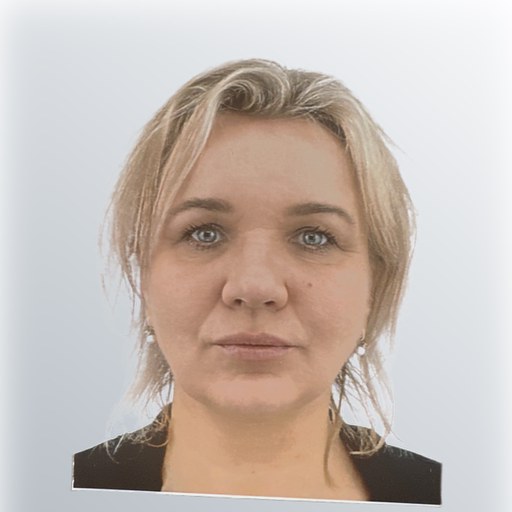


“He had been a little anxious before she arrived, but has since stated that he would be very happy for her to care for him again”
Every carer has had an enhanced DBS check in the last 18 months, ID and right-to-work checks and an online interview. Their skills and training are for you to check with them. Carers set their own rates, and who is free changes week to week.