CQC report explained · a residential care home
What the CQC found at Belford House
Rated Good: inspectors found the home performing well and meeting their expectations.
- Safe?
- Good
- Inspectors were assured about infection prevention and control, including visitors, PPE, testing, cleaning, social distancing and outbreak planning.
- Effective?
- Good
- This question was not covered in the targeted inspection.
- Caring?
- Good
- This question was not rated, although inspectors described support for family contact, activities and people living with dementia.
- Responsive?
- Good
- This question was not covered in the targeted inspection.
- Well-led?
- Good
- This question was not covered in the targeted inspection.
What inspectors found, March 2021
Belford House was inspected but not rated; inspectors found strong infection control and support for residents and families during the pandemic.
This was a targeted, announced inspection on 23 February 2021. It looked at infection prevention and control because of the coronavirus pandemic, rather than giving an overall quality rating.
Inspectors were assured that the home was managing visitors, social distancing, admissions, protective equipment, testing, cleaning and possible outbreaks. The home had written visitor rules, health screening, records for tracing contacts and a separate visiting room with a screen.
Residents were supported to keep in touch with relatives by telephone, video calls and social media. Staff provided activities, including activities for people in their bedrooms, and supported people living with dementia when masks caused anxiety.
The service was marked “Inspected but not rated”. This means the report gives evidence about the areas checked, but it does not provide a Good, Requires improvement or Inadequate rating.
Infection control
The home had written visitor arrangements, screening, PPE and measures to reduce contact and infection risk.
“There were clear written measures to help prevent visitors from spreading infection.” from the report
Family contact
Residents were helped to keep in touch with relatives through calls, devices, updates, photos and social media.
“Staff also sent relatives a weekly update and photos of their loved one, to keep them informed of their well-being and welfare.” from the report
Activities and inclusion
The home offered group and individual activities, including activities for people staying in their bedrooms.
“In addition to group activities, there were activities for those people in their bedrooms, which reflected the group activities” from the report
Clean environment
Inspectors found the home clean, hygienic and well ventilated, with cleaning schedules and suitable products in use.
“The service was clean, hygienic and well ventilated.” from the report
Support for people with dementia
Staff helped people who were anxious about masks by showing photographs of staff without masks.
“To support people, staff's photographs had been uploaded onto the iPads, so staff could show people what they looked like without their mask on” from the report
Inspectors raised no specific concerns in this report.
- 01What is the current process for booking visits, screening visitors and providing PPE?
- 02How are residents currently supported to keep in touch with their families?
- 03How do you support people living with dementia who find staff wearing masks upsetting?
- 04How often are infection control, cleaning and hand hygiene arrangements checked now?
- 05What arrangements are in place if there is a COVID-19 outbreak or a resident is admitted to the home?
This was a targeted inspection of infection prevention and control during the coronavirus pandemic; it was not a full inspection and the service was not rated. This explanation was written from the published report of 5 March 2021 by an AI system and checked against the report text: every quoted line appears in the report. It is a guide to the report, not a substitute for it. Read the full report on cqc.org.uk.
What inspectors found, February 2019
Rated Good; inspectors found safe, kind and personalised care, with previous safety issues addressed.
This was an unannounced comprehensive inspection on 8 January 2019. Inspectors spoke with people living there, relatives, staff and health professionals. They reviewed care plans, staff records, staffing rosters and management records.
The home provides care without nursing for up to 32 older people who are frail or living with dementia. There were 29 people living there at the inspection. Inspectors rated all five areas Good: Safe, Effective, Caring, Responsive and Well-led.
People were found to be protected from abuse, supported by suitable staffing and given medicines safely. Staff understood people's needs, treated them with kindness, supported their health and offered personalised care and activities.
At the previous inspection, Safe had required improvement because of water safety, medicine guidance and commode-cleaning arrangements. Inspectors found these issues had been addressed. They also found three gaps in medicine administration signatures on one day, which the manager acted on immediately.
Previous safety problems fixed
The home addressed the earlier concerns about hot water safety, guidance for as-required medicines and cleaning commodes. Inspectors found the changes had been maintained.
“The registered manager had acted and sustained the changes they had implemented for people's safety.” from the report
Kind and respectful staff
People said staff treated them well. Inspectors saw staff listen, show interest and respect privacy, dignity and personal choices.
“We observed staff interacted with people in a meaningful way.” from the report
Personalised care
Care plans recorded people's preferences, independence, communication needs and interests. Staff supported people to spend their time in ways they chose.
“The care plans were personalised and reflected people's needs, levels of independence and preferences about how they wanted their care to be provided.” from the report
Good activities and community links
People could take part in varied activities, trips and social events. The home also welcomed community groups and supported people to attend local activities.
“People were able to participate in a range of both internal and external activities for their stimulation and enjoyment.” from the report
Open management
The home sought feedback from people, relatives and staff. Inspectors found evidence that concerns led to action and that improvement work was monitored.
“There was a strong focus on continuous improvement.” from the report
Medicine records had some gaps
needs fixingInspectors found three missing staff signatures on two people's medicine records for one evening. The manager acted immediately and monitored the records through monthly audits.
“We found three gaps in staff signatures on two people's MARs for medicines administered on one day in the evening.” from the report
Limited support for advanced dementia
needs fixingThere was not much signage to help people living with dementia find their way around. Inspectors said the environment was not suitable for people with more advanced dementia.
“We did not observe much signage for those living with dementia.” from the report
- 01How do you check that every medicine dose is recorded correctly, including as-required medicines?
- 02How would you support someone whose dementia became more advanced?
- 03What signs, visual prompts or other support are available to help people find their way around?
- 04How often will my relative's care plan and risks be reviewed if their needs change?
- 05Which activities and trips would be suitable for my relative, and how would staff support them to take part?
This was an unannounced comprehensive inspection covering all five questions and the overall rating; the previous Safe rating of Requires Improvement was reassessed and improved to Good. This explanation was written from the published report of 6 February 2019 by an AI system and checked against the report text: every quoted line appears in the report. It is a guide to the report, not a substitute for it. Read the full report on cqc.org.uk.
Every inspection of Belford House
2 rated inspections over 2 years: the service has held its Good rating throughout.
- March 2021Inspected but not ratedcurrent ratingSafe: Inspected but not rated
- February 2019Goodstayed GoodSafe: GoodEffective: GoodCaring: GoodResponsive: GoodWell-led: Good
- January 2017GoodSafe: Requires improvementEffective: GoodCaring: GoodResponsive: GoodWell-led: Good
- November 2013
Report published without a new overall rating.
- March 2013
Report published without a new overall rating.
- September 2011
Report published without a new overall rating.
- November 2010
Registered with the Care Quality Commission on 29 November 2010.
Ratings and report dates from the Care Quality Commission, Open Government Licence v3.0. A home can also be visited without a new rating being published, so the timeline shows published inspections.
Weigh the report against the rest
Fees, photos and reviews from families
How to read CQC ratings and reports
What to check when you visit
26 live-in carers within about an hour of Hampshire
These are self-employed carers on PrimeCarers, the introductory agency that runs this directory. Each has a profile with their own rates and reviews from families, and you choose who to talk to.
Most charge £1,020 to £1,260 a week. 23 can care for a couple. 14 years' experience on average.
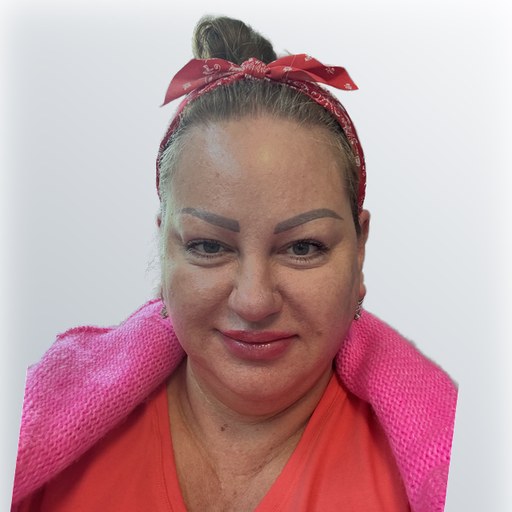



“I cannot recommend Prisca highly enough, she is one in a million.”
“He stayed with her throughout the pandemic, refusing to visit his own family, who lived nearby, to reduce the risk of infection.”
Every carer has had an enhanced DBS check in the last 18 months, ID and right-to-work checks and an online interview. Their skills and training are for you to check with them. Carers set their own rates, and who is free changes week to week.